
How Often Should You Get a Hair Spa? Complete Hair Care Guide
-
Dokmai London
- Posted on
- 0 comments
What Is a Hair Spa?
A hair spa is a conditioning-focused hair treatment designed to improve the feel, manageability, moisture balance, and appearance of the hair shaft. Unlike a basic shampoo-and-conditioner routine, a salon hair spa generally combines cleansing, conditioning or a treatment mask, massage, and a controlled finishing process. The exact procedure varies considerably from salon to salon, which means the name “hair spa” does not automatically describe one standardized treatment. The main idea is to give the lengths and ends more intensive cosmetic care than they usually receive at home. This can be particularly appealing when hair feels dry, rough, tangled, dull, or difficult to style after exposure to heat, coloring, chemical services, pollution, sun, or repeated styling. It is also important to understand what a hair spa cannot do. Hair fiber is nonliving tissue, so an injured strand does not biologically repair itself in the same way living skin can heal. Dermatologists therefore emphasize reducing ongoing damage, using appropriate conditioning, handling hair gently, and controlling excessive heat rather than relying on a single treatment to permanently “repair” damaged hair.
What Happens During a Hair Spa?
A professional hair spa may begin with an assessment of the scalp and hair, followed by cleansing and application of a conditioning mask or treatment selected according to the hair’s condition. Some services include a gentle scalp massage, while others incorporate steam or another method intended to support the treatment process. The hair is then rinsed and finished according to the desired result, often with blow-drying or styling. Because salons use different formulations and techniques, it is sensible to ask what products and steps are included before booking the service. A good consultation should consider whether the hair is fine, coarse, curly, chemically treated, colored, oily, dry, or prone to buildup. The treatment should also be adjusted if the scalp is irritated or experiencing an active condition. A salon treatment can make hair feel noticeably smoother and easier to manage, but that cosmetic improvement should not be confused with treatment of a medical scalp disorder. If you have persistent itching, scaling, sudden shedding, bald patches, or significant thinning, professional medical evaluation is more appropriate than repeatedly increasing salon treatments.
Why Deep Conditioning Matters
Conditioning is important because the outer surface of the hair can become rougher and more vulnerable to friction when exposed to repeated chemical processing, heat, aggressive brushing, and other forms of mechanical stress. The American Academy of Dermatology recommends using conditioner after shampooing because it helps moisturize and detangle hair, while leave-in conditioners or detanglers can further reduce breakage, split ends, and frizz. A deeper conditioning treatment essentially gives you a more intensive version of this type of cosmetic care. However, more conditioning is not automatically better. Fine or oily hair can become heavy or limp if rich products are applied too frequently, while very dry or curly hair may benefit from more substantial conditioning. Your routine should therefore be based on how your hair behaves rather than on a fixed calendar alone. Think of hair care like maintaining fabric: a delicate fabric needs different handling from a thick one, and adding more product does not necessarily improve the result.
How Often Should You Get a Hair Spa?
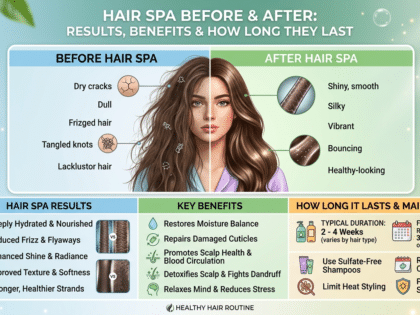
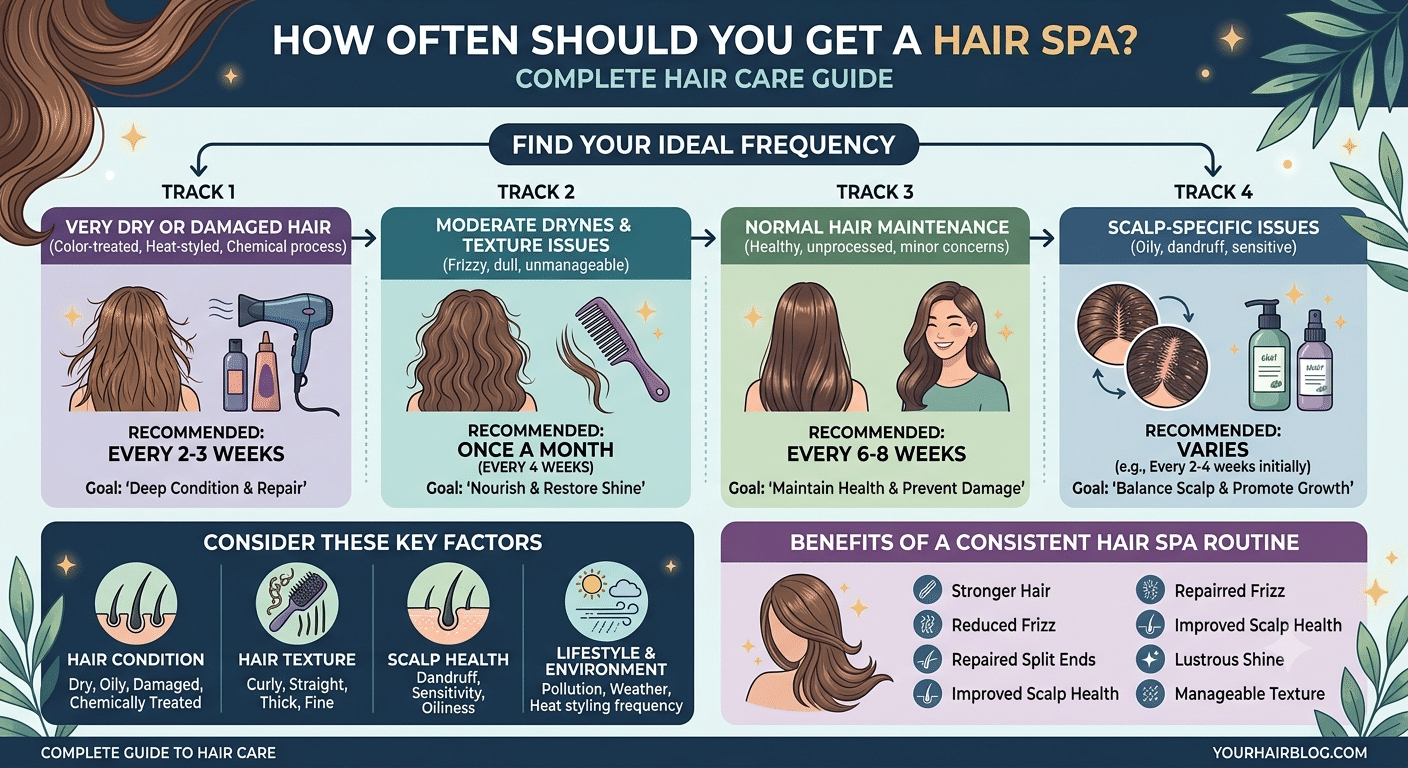
For many people, a hair spa every 3–4 weeks is a practical starting point when the goal is maintenance and improved manageability. One published expert response in Femina recommended a hair spa approximately every 20–30 days, while emphasizing that the hair shaft is the part being externally conditioned. That does not mean everyone needs a salon treatment every month. Frequency should change according to hair texture, dryness, chemical processing, styling habits, scalp condition, and how the hair responds after treatment. Someone with severely dry, chemically treated lengths may need a more individualized conditioning schedule, whereas someone with fine, naturally oily hair may prefer less frequent rich treatments. At the other extreme, booking a very intensive treatment every few days is unlikely to be necessary for routine hair care and could leave some hair types weighed down by excessive product. The better question is not simply, “How many times should I get a hair spa?” but “What does my hair need right now?” Regular conditioning at home remains important because a salon visit is only one part of a complete routine.
Hair Spa Frequency by Hair Type
Your hair type and current condition should guide your schedule more than a generic rule. Dry, coarse, highly textured, or chemically processed hair may need more intensive conditioning than naturally oily or very fine hair. Colored hair can also benefit from careful conditioning because repeated coloring can contribute to dryness and damage, although the treatment should complement—not replace—appropriate color-care practices. Curly hair often needs thoughtful moisture and detangling because friction and dryness can make the strands harder to manage. Fine hair, on the other hand, may respond better to lighter conditioning products and less frequent intensive treatments. The AAD recommends choosing hair-care products according to hair type and conditioning according to the needs of the hair, rather than treating every head of hair identically. A useful starting point is every 3–4 weeks for normal maintenance, with adjustments based on the condition of your hair. If the hair feels coated, flat, unusually greasy, or difficult to style after treatments, increase the interval or use a lighter formulation. If it repeatedly feels rough, dry, tangled, or brittle, discuss a more suitable conditioning approach with a professional.
Hair Spa for Dry and Damaged Hair
Dry and damaged hair is one of the situations where a properly selected hair spa can make the biggest cosmetic difference. When hair has been exposed to frequent heat styling, bleaching, coloring, straightening, or rough handling, it can become brittle, frizzy, coarse, and difficult to detangle. A conditioning treatment can temporarily improve softness, lubrication, shine, and manageability, making the hair easier to style and reducing the rough feeling that often accompanies damage. But there is an important distinction between improving the appearance of damaged hair and reversing structural damage. Once a strand has been seriously damaged, no salon treatment can turn it back into completely untouched virgin hair. The practical strategy is to combine conditioning with damage prevention: reduce unnecessary heat, use a suitable conditioner, detangle gently, avoid aggressive towel rubbing, and space out chemical services. Dermatologists specifically advise limiting heat tools and using lower heat settings because excessive heat can damage hair regardless of hair type. If your ends are severely split or breaking, a trim may also be necessary because conditioning cannot permanently fuse a split end back together.
Hair Spa for Oily Scalp and Fine Hair
People with an oily scalp sometimes assume that a hair spa is automatically unsuitable for them, but the real issue is choosing the right treatment and keeping the scalp and lengths separate in your routine. The scalp produces oil, while the lengths and ends can still become dry, particularly when they are long, colored, heat-styled, or exposed to environmental stress. A heavy treatment applied excessively close to an already oily scalp may leave fine hair looking flat or greasy, so a lighter conditioning approach may be more appropriate. Dermatologists recommend shampooing according to how quickly your hair and scalp become dirty or oily, rather than forcing everyone into the same washing schedule. They also recommend focusing shampoo on the scalp rather than aggressively rubbing shampoo through the entire length, which can unnecessarily dry the hair. For fine or oily hair, consider a less frequent hair spa and prioritize lightweight conditioner on the lengths. If oiliness comes with persistent itching, redness, heavy scaling, or unusual flaking, do not try to solve the problem simply by booking more cosmetic treatments; a scalp condition may require appropriate diagnosis and treatment.
Hair Spa for Colored and Chemically Treated Hair
Colored, bleached, relaxed, permed, or chemically straightened hair deserves particularly careful handling because chemical services can contribute to dryness and breakage. Conditioning after washing is important, and the longer you can maintain healthy spacing between damaging services, the more opportunity you give the hair to avoid repeated stress. The American Academy of Dermatology advises people concerned about chemical damage to work with professionals and to avoid stacking multiple chemical services too closely together. A hair spa can fit into this routine as a conditioning-focused maintenance service, but it should not be presented as a way to make repeated chemical processing risk-free. If you have recently bleached your hair, tell the stylist before the treatment so the products and technique can be selected appropriately. You should also mention previous keratin, smoothing, straightening, coloring, or other chemical services. The more your stylist knows about your recent treatments, the easier it becomes to avoid unnecessary stress on already processed strands. For chemically treated hair, a thoughtful schedule is usually more useful than simply booking the most intensive spa available.
Hair Spa for Curly and Frizzy Hair
Curly and textured hair often benefits from a consistent moisture and detangling routine because dryness and friction can make curls appear frizzy and harder to manage. A conditioning-focused treatment may help improve softness and reduce the rough feeling that makes tangles difficult to handle. However, curly hair does not necessarily need a salon hair spa every few weeks. The correct frequency depends on the curl pattern, porosity, density, chemical history, styling routine, and individual response to products. Dermatologists recommend handling wet hair carefully because wet strands can be more vulnerable to breakage, while people with tightly curled or textured hair may need to detangle while the hair is wet to reduce breakage. This is a good example of why universal hair rules can be misleading. A routine that works beautifully for straight, fine hair may be completely inappropriate for thick, curly hair. If your curls become soft, defined, and manageable after conditioning, your routine is probably moving in the right direction; if they become heavy, coated, or limp, the treatment may be too rich or too frequent.
Signs You May Need a Hair Spa
Your hair often gives you useful clues before you need to change your routine. Persistent roughness, excessive frizz, difficulty detangling, dull-looking lengths, dryness after shampooing, and increased styling difficulty can all be reasons to consider a conditioning treatment. Split ends and breakage may also indicate that your hair needs gentler handling and better conditioning, although a spa alone will not eliminate structural damage. The AAD notes that damaged hair is fragile and more likely to break, and recommends changes such as conditioning after shampooing, gentler drying, reducing excessive heat, and avoiding unnecessary pulling or tugging. These everyday habits can matter just as much as an occasional salon appointment. If your hair feels good immediately after a treatment but becomes rough again within a few days, look at what is happening between appointments. Frequent straightening, high-temperature blow-drying, aggressive brushing, tight hairstyles, or harsh chemical services may be continuously recreating the damage you are trying to manage. A hair spa works best as part of a broader routine rather than as an emergency reset button.
Benefits of Regular Hair Spa Treatments
The most realistic benefits of a hair spa are cosmetic and conditioning-related. Depending on the products and technique used, a treatment can make hair feel softer, smoother, more moisturized, easier to detangle, and more manageable. Some people also enjoy the relaxing aspect of a professional scalp massage and the polished finish that follows the treatment. These benefits can be especially noticeable when the hair has become dry or difficult to manage. Still, the results are not permanent because the hair shaft continues to encounter washing, styling, friction, sunlight, humidity, pollution, and other environmental or mechanical stressors. This is why a consistent home routine matters. The AAD recommends matching products to hair type, using conditioner after washing, handling wet hair gently, and limiting excessive heat. A useful way to think about a hair spa is as maintenance rather than magic. Just as polishing a wooden surface can improve its appearance without rebuilding the wood, conditioning can improve the feel and appearance of the hair without biologically restoring an injured strand.
Can Hair Spa Stop Hair Fall?
A hair spa should not be marketed as a universal treatment for hair loss. Hair shedding can have many different causes, and cosmetic conditioning of the hair shaft does not necessarily address what is happening inside the follicle or at the scalp. The American Academy of Dermatology advises people experiencing hair loss to seek evaluation from a board-certified dermatologist because identifying the underlying cause is important for choosing appropriate treatment. A conditioning treatment may make fragile hair easier to handle and may reduce breakage caused by rough grooming, but that is different from treating medical hair loss. It is also useful to distinguish hair shedding from hair breakage. Shed hairs come out from the follicle, whereas broken hairs snap along the shaft. If you notice sudden or significant thinning, bald patches, persistent scalp symptoms, or a noticeable change in shedding, increasing the frequency of salon treatments is not the appropriate first step. Professional evaluation can help determine whether the issue is related to hair care, the scalp, or another underlying cause.
Hair Spa vs Hair Mask
A hair mask is generally a conditioning product used at home or in a salon, while a hair spa usually describes a broader service involving multiple steps. A mask can be a useful part of a regular hair-care routine, particularly when the hair needs additional conditioning between salon appointments. A hair spa may include cleansing, treatment application, massage, processing, rinsing, and styling, depending on the salon. Neither option is automatically superior for every person because the right choice depends on the condition of the hair and the ingredients in the products being used. Someone with healthy hair may be perfectly comfortable using a suitable conditioner or occasional mask at home and visiting a salon only when they want a more intensive service. Someone with heavily processed hair may prefer professional assessment before selecting a treatment. The important point is to avoid assuming that a more expensive or elaborate treatment is automatically healthier for the hair. The goal should always be appropriate conditioning with minimal additional damage.
| Hair-care option | Main purpose | Typical use |
|---|---|---|
| Regular conditioner | Everyday conditioning and detangling | After shampooing |
| Hair mask | More intensive conditioning | Periodically, depending on hair needs |
| Hair spa | Professional conditioning-focused service | Often around every 3–4 weeks, adjusted individually |
| Dermatologist consultation | Diagnose scalp/hair disorders | When persistent or concerning symptoms occur |
Professional Hair Spa vs DIY Hair Spa
A DIY hair mask can be convenient and inexpensive, while a professional hair spa offers the advantage of consultation, controlled application, and access to professional products and techniques. The key benefit of visiting a reputable salon is not simply the presence of a machine, cream, or massage; it is the ability to select a treatment according to the current condition of your hair. Before a professional service, tell the stylist about recent coloring, bleaching, straightening, keratin treatments, extensions, or other chemical procedures. This information can affect what should be applied and how the hair should be handled. At home, simplicity is usually your friend: choose products made for your hair type, condition regularly, and avoid aggressive experimentation with multiple treatments at once. Dermatologists specifically recommend gentle handling, appropriate conditioning, and limiting damaging heat and chemical practices. If you choose a salon, look for a professional who asks questions before beginning rather than automatically applying the same spa treatment to every client.
What to Do Before and After a Hair Spa
A little preparation can make your treatment more useful. Before the appointment, tell your stylist about recent chemical services and mention any scalp sensitivity or unusual symptoms. Avoid assuming that a stronger treatment is better; your hair may need hydration, lightweight conditioning, or simply gentler handling rather than an extremely rich product. After the spa, follow the stylist’s product-specific instructions, but continue the fundamentals of good hair care. Avoid excessive heat, detangle gently, and do not aggressively rub wet hair with a towel. The AAD recommends wrapping wet hair rather than rubbing it dry and limiting excessive heat because both rough handling and heat can contribute to damage. The biggest mistake is treating the salon appointment as permission to return immediately to damaging habits. If you spend an hour conditioning your hair and then repeatedly use high heat, tight hairstyles, or aggressive brushing, the benefits may not last. Good results come from what happens during the treatment and what you do during the following weeks.
Common Hair Spa Mistakes to Avoid
One of the most common mistakes is assuming that more frequent treatments always produce healthier hair. Hair has different needs, and excessive use of rich products can make certain hair types heavy, greasy, or difficult to style. Another mistake is ignoring the scalp while focusing only on the lengths, or treating an irritated scalp with cosmetic products instead of getting the underlying issue evaluated. Using excessive steam or heat without considering the condition of fragile hair can also be counterproductive. The same principle applies to brushing, towel drying, and heat styling: repeated mechanical or thermal stress can accumulate over time. Dermatologists recommend minimizing practices that damage hair, including aggressive brushing, rubbing wet hair, excessive heat, tight hairstyles, and unnecessary chemical processing. A final mistake is expecting a hair spa to cure hair fall, dandruff, scalp disease, or severe damage. A salon treatment can support cosmetic hair care, but medical problems require the appropriate professional assessment.
How to Build a Complete Hair Care Routine
A good hair-care routine does not have to be complicated. Start with a shampoo schedule that matches how quickly your scalp becomes oily or dirty, and focus shampoo primarily on the scalp rather than aggressively washing the lengths. Follow with conditioner, concentrating more product on the areas that need it most, especially dry ends. Detangle gently and avoid unnecessary pulling. When using heat, reduce both temperature and frequency, and consider a suitable heat-protective product. The AAD recommends low or medium heat settings and limiting excessive use of blow dryers, flat irons, and curling tools because heat can damage hair. You can then add a hair mask or salon hair spa according to your hair’s needs. For many people, a professional hair spa every 3–4 weeks is a reasonable maintenance starting point, but that schedule should be adjusted when hair is particularly dry, chemically treated, fine, oily, curly, or otherwise sensitive to product buildup. The objective is simple: clean the scalp appropriately, condition the lengths, minimize damage, and respond to changes rather than following a rigid calendar.
When Should You See a Dermatologist?
A salon can help with cosmetic hair care, but some hair and scalp concerns require medical attention. Consider seeing a dermatologist if you experience significant or sudden hair loss, visible thinning, bald patches, persistent scalp itching, inflammation, unusual scaling, or symptoms that do not improve with sensible hair-care changes. The AAD specifically recommends dermatological evaluation for hair loss because hair loss has many possible causes and identifying the cause is important for treatment. This is especially important if you are tempted to keep adding salon treatments because the problem has not improved. A hair spa may make the existing strands feel softer, but it does not necessarily address the reason new hairs are falling out or why the scalp is irritated. The safest approach is to separate cosmetic maintenance from medical treatment. Use salon services for conditioning, manageability, grooming, and appearance, while using medical care when symptoms suggest an underlying scalp or hair disorder.
How to Choose the Right Hair Spa Treatment
The right hair spa begins with identifying what you actually want to improve. If your main concern is dryness, look for a moisture-focused conditioning treatment. If the hair is chemically processed, discuss the treatment history with the stylist before selecting a service. If your hair is fine and easily weighed down, ask about lightweight conditioning rather than automatically choosing the richest treatment. Curly and textured hair may require a different approach to conditioning and detangling than straight hair. Your stylist should ideally assess the hair before applying products and explain what the treatment is intended to achieve. Be cautious with claims that promise to permanently repair severe damage, stop hair loss, or transform hair health after a single appointment. The available dermatology guidance supports a broader approach involving appropriate cleansing, conditioning, gentle handling, and reduced exposure to damaging heat and chemical practices. A good salon treatment should fit into that routine rather than replace it.
Hair Spa Frequency: Quick Reference
There is no universal schedule that works for every head of hair, but the following can be used as a practical starting framework rather than a medical prescription. Normal, relatively healthy hair may be comfortable with a professional spa approximately every 3–4 weeks if the person enjoys the service and finds it useful. Dry or damaged hair may need more individualized conditioning, while the priority should simultaneously be reducing the practices causing damage. Fine or oily hair may benefit from lighter products and longer intervals to avoid buildup or heaviness. Curly or textured hair should be managed according to its moisture and detangling needs rather than a generic schedule. Chemically treated hair deserves particularly careful conditioning and protection, with attention to spacing out potentially damaging services. A published expert recommendation has suggested a 20–30-day interval, but individual needs can differ substantially. The simplest rule is to watch how your hair responds: if it feels soft and manageable without becoming coated or heavy, the routine may be appropriate; if the treatment creates buildup or does not address the real problem, adjust the approach.
Conclusion
So, how often should you get a hair spa? For many people, once every 3–4 weeks is a sensible starting point for professional conditioning, but there is no universal requirement to follow that schedule. Hair texture, scalp condition, chemical treatments, heat styling, dryness, oiliness, and personal response should all influence the frequency. A hair spa can help improve softness, manageability, smoothness, and the overall appearance of the hair, but it should be viewed as one part of a complete hair-care routine rather than a permanent solution for damage or hair loss. Current dermatology guidance emphasizes fundamentals such as appropriate shampooing, regular conditioning, gentle detangling, reduced heat exposure, and avoiding damaging styling habits. If you are dealing with significant shedding, thinning, bald patches, or persistent scalp symptoms, a dermatologist can help identify the underlying cause instead of relying solely on cosmetic treatments. Ultimately, the best hair spa routine is the one that complements your hair type, supports manageability, and fits into a larger strategy of preventing damage.
FAQs About Hair Spa
1. Is a hair spa good for hair?
A properly selected hair spa can improve the cosmetic condition of the hair by providing intensive conditioning and making dry or difficult-to-manage hair feel softer and smoother. It does not permanently repair severely damaged hair because the hair shaft is nonliving tissue.
2. Can I get a hair spa every week?
Most people do not need a professional hair spa every week. A monthly or approximately 3–4-week schedule can be a practical starting point, but the ideal frequency depends on your hair type, product buildup, chemical treatments, dryness, and individual response. A published expert recommendation has suggested approximately 20–30 days.
3. Does hair spa reduce hair fall?
A hair spa should not be considered a treatment for medical hair loss. It may help reduce some breakage by improving conditioning and manageability, but significant or persistent hair loss can have many causes and should be evaluated by a dermatologist.
4. Is hair spa suitable for colored or chemically treated hair?
It can be, particularly when the goal is conditioning and manageability, but the treatment should be selected according to the hair’s current condition. Always tell your stylist about recent coloring, bleaching, straightening, relaxing, or other chemical services before treatment. Dermatologists recommend minimizing practices that cause additional chemical and heat damage.
5. What is more important: hair spa or daily hair care?
Daily hair-care habits are the foundation. A salon hair spa can provide additional conditioning, but appropriate shampooing, regular conditioning, gentle detangling, reduced heat, and avoiding excessive chemical processing have an important role in maintaining healthier-looking hair.
🔍 Want to find the best keywords and rank this article faster? Try the #1 SEO & AI visibility toolkit free for 14 Days . Track your keyword rankings, audit your site, and monitor your AI search visibility on ChatGPT, Gemini & Google AI Overviews
✨ Get better articles, faster. But Pro Article Writer takes it further — AI humanizer, SEO tools, full editor, one-click options, and more control all in one place. Try it free →
If this prompt helped you, please leave a review — it keeps this prompt ranked #1.