
Biotin and Collagen Shampoo: Benefits for Weak, Dry and Frizzy Hair
-
Dokmai London
- Posted on
- 0 comments
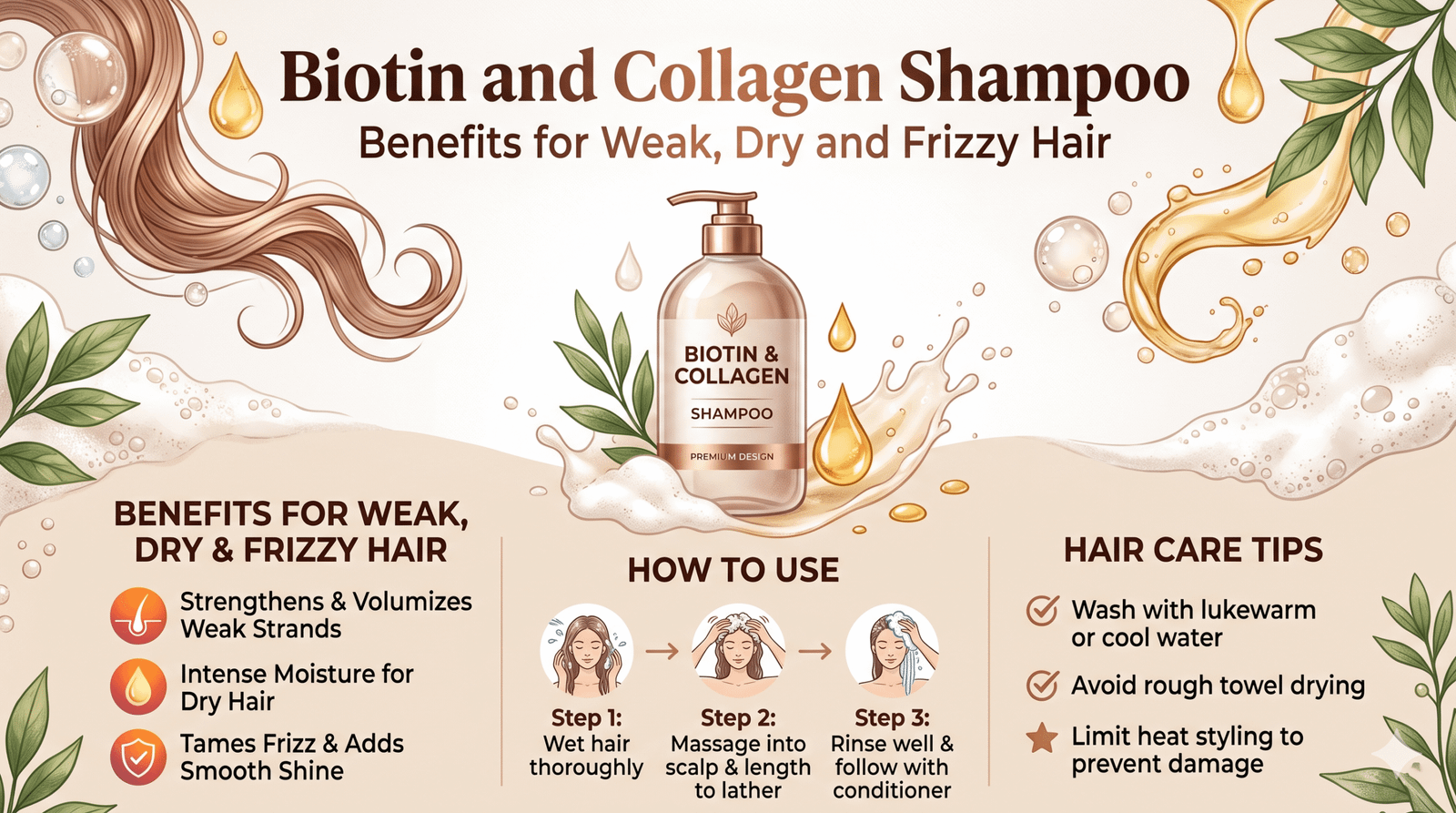
Healthy, shiny, and manageable hair begins with the right hair care routine. However, frequent heat styling, chemical treatments, environmental pollution, harsh cleansing products, and improper hair care habits can leave hair looking weak, dry, dull, brittle, and frizzy. These concerns often make hair difficult to manage and can contribute to breakage, split ends, and a lack of natural shine.
A biotin and collagen shampoo is a popular choice for people looking to improve the appearance, texture, and manageability of their hair. Combining biotin, a vitamin associated with normal hair health, with collagen or collagen-derived ingredients, which are commonly used in cosmetic formulations, can help create a hair care routine focused on cleansing, softness, and a fuller-looking appearance.
At Dokmai London, we believe that effective hair care starts with understanding your hair’s needs and choosing products that support its natural beauty. In this comprehensive guide, we explore the benefits of biotin and collagen shampoo, how these ingredients work, who may benefit from using it, and how to incorporate it into a routine for weak, dry, and frizzy hair.
What Is Biotin and Collagen Shampoo?
Biotin and collagen shampoo is a hair cleansing product formulated with biotin, collagen, or related cosmetic ingredients to help maintain the appearance and feel of healthy hair. It is designed to remove dirt, excess oil, sweat, and product buildup while supporting softer, smoother, and more manageable strands.
Biotin, also known as vitamin B7, plays an important role in normal metabolic processes within the body. Collagen is a structural protein naturally present in the body and is widely used in beauty and personal care formulations.
When included in shampoo, these ingredients are part of a cosmetic formula intended to cleanse the scalp and improve the cosmetic appearance of the hair. The actual benefits depend on the complete formulation, including its cleansing agents, conditioning ingredients, and other active components.
This type of shampoo may be worth considering for people who experience:
- Weak-looking hair that breaks easily.
- Dryness and rough hair texture.
- Frizz and flyaways.
- Hair that looks flat or lacks volume.
- Dull strands that have lost their shine.
- Hair that feels difficult to detangle and manage.
It is important to understand that shampoo primarily works on the scalp and hair shaft. It cannot independently repair every cause of hair damage or guarantee new hair growth.
Top Benefits of Biotin and Collagen Shampoo for Hair
The benefits of biotin and collagen shampoo depend on its ingredients and formulation. When combined with appropriate cleansing and conditioning agents, it may help improve several aspects of the hair’s appearance and feel.
1. Helps Hair Look Stronger and Healthier
Hair that has been exposed to bleaching, colouring, straightening, or frequent heat styling may become fragile and prone to breakage. Damaged hair can feel rough, develop split ends, and lose its natural elasticity.
A well-formulated biotin and collagen shampoo may help improve the appearance of fragile hair by cleansing gently and supporting a smoother hair texture. Conditioning ingredients can help reduce friction between strands, making hair easier to comb and style.
Biotin is essential for normal bodily functions, including the metabolism of nutrients. However, there is limited evidence that applying biotin through shampoo directly strengthens hair or increases hair growth in people who do not have a biotin deficiency.
For the best results, combine a suitable shampoo with conditioner, gentle detangling, and reduced heat styling.
2. Improves the Appearance of Dry Hair
Dry hair often develops when the outer protective layer of the hair shaft becomes damaged or when hair lacks sufficient conditioning. The result can be a rough texture, reduced shine, tangling, and increased susceptibility to breakage.
A biotin and collagen shampoo that contains moisturising and conditioning ingredients may help hair feel softer and smoother after washing.
Look for formulations that include ingredients such as:
- Glycerin: A humectant that helps attract and retain moisture.
- Panthenol: A conditioning ingredient commonly used to improve the feel and manageability of hair.
- Hydrolysed proteins: Ingredients that can form a film on the hair surface and temporarily improve its feel.
- Conditioning agents: Ingredients that help reduce friction and make detangling easier.
Although collagen is often associated with hydration and structural support in beauty products, the effect of a shampoo depends on its complete ingredient list rather than collagen alone.
3. Helps Control Frizz and Flyaways
Frizzy hair can result from humidity, dryness, damaged cuticles, and friction caused by brushing or towel drying. When the hair surface becomes rough, strands may appear uneven, puffy, and difficult to control.
Using a shampoo formulated for smoother hair can help remove buildup without leaving the hair excessively stripped of its natural oils.
When a formula includes suitable conditioning agents, it may help:
- Improve smoothness and softness.
- Reduce tangling during washing.
- Make hair easier to comb.
- Improve the appearance of flyaways.
- Support a smoother-looking finish after styling.
For better frizz control, apply conditioner to the mid-lengths and ends after shampooing. Avoid rubbing wet hair aggressively with a towel, and use a heat protectant before blow-drying.
4. Supports Fuller-Looking Hair
Hair that appears thin or flat may benefit cosmetically from products designed to improve volume and the feel of individual strands.
Collagen-derived ingredients and other film-forming cosmetic ingredients may help create a fuller-looking appearance by coating the hair surface. However, this temporary cosmetic effect should not be confused with an increase in the number of hair follicles or permanent hair thickening.
For fine hair, choose a shampoo that cleanses effectively without leaving heavy residue. People with very dry or coarse hair may prefer a more conditioning formula.
The ideal product depends on hair texture, scalp condition, styling habits, and personal preferences.
5. Enhances Shine and Smoothness
Healthy-looking hair reflects light more evenly when its surface is relatively smooth. Rough, damaged, or tangled strands can scatter light, making hair look dull.
A suitable shampoo can help remove residue that makes hair look lifeless. Conditioning ingredients may then improve surface smoothness and help strands reflect light more evenly.
For a shinier appearance, we recommend following these simple habits:
- Use lukewarm rather than very hot water.
- Avoid excessive shampooing if it leaves your hair dry.
- Apply conditioner after every wash when needed.
- Limit repeated exposure to high heat.
- Protect hair from unnecessary chemical damage.
- Trim split ends when they become noticeable.
Consistent hair care habits can make a visible difference to the appearance and manageability of dry, dull hair.
6. Makes Hair Easier to Detangle
Knots and tangles can cause unnecessary pulling during brushing, particularly when hair is wet or chemically treated. Repeated pulling can contribute to breakage and split ends.
A shampoo with conditioning properties may improve the feel of hair during and after washing. However, conditioner generally plays a more significant role in reducing friction and improving detangling.
After washing, gently squeeze out excess water and use a wide-tooth comb. Start detangling from the ends and work gradually towards the roots.
This approach helps minimise tension on fragile strands and makes hair easier to manage.
How Does Biotin Benefit Hair?
Biotin is a water-soluble B vitamin that helps the body process carbohydrates, fats, and proteins. It also plays a role in the production of keratin-related structures within the body.
Keratin is the primary structural protein in the hair shaft, making biotin an important nutrient for normal biological functions associated with hair.
However, the relationship between biotin and hair health requires careful consideration.
A genuine biotin deficiency can cause hair thinning and other symptoms. Correcting a deficiency may help address deficiency-related problems. In contrast, strong evidence supporting additional biotin supplementation for hair growth in people with adequate biotin levels remains limited.
Topical biotin in shampoo also has limited clinical evidence for directly stimulating new hair growth.
For this reason, biotin and collagen shampoo should primarily be viewed as a cosmetic hair care product rather than a treatment for medical hair loss.
What Does Collagen Do in Hair Care Products?
Collagen is a protein associated with the structure and support of tissues in the human body. In cosmetics, collagen and collagen-derived ingredients are used for their potential conditioning and film-forming properties.
When incorporated into hair care products, certain collagen-derived ingredients may help improve the surface feel of the hair and contribute to temporary softness or a fuller-looking appearance.
Their effectiveness depends on factors such as:
- The specific collagen ingredient used.
- Its concentration in the formulation.
- Whether the ingredient is hydrolysed.
- The other conditioning ingredients present.
- How the finished product is used.
Collagen in shampoo should not be assumed to penetrate deeply into the hair or permanently rebuild damaged strands. Hair shafts consist primarily of keratin and are not living tissue, so cosmetic products generally improve their surface condition rather than biologically regenerate them.
Biotin and Collagen Shampoo for Different Hair Types
Not every hair type has the same needs. Choosing the right shampoo requires considering your scalp, hair texture, level of damage, and styling routine.
Biotin and Collagen Shampoo for Dry Hair
Dry hair often needs gentle cleansing and additional conditioning. Look for a shampoo that removes dirt and oil without leaving your hair feeling rough or excessively stripped.
Follow with a moisturising conditioner and consider a leave-in conditioner if your hair remains dry between washes.
Biotin and Collagen Shampoo for Frizzy Hair
Frizzy hair may benefit from formulas containing conditioning agents that help smooth the hair surface. People with curly or wavy hair may also benefit from applying conditioner generously to the lengths and ends.
Avoid aggressive towel drying and excessive brushing, as these habits can increase friction and disrupt the hair’s natural pattern.
Biotin and Collagen Shampoo for Fine Hair
Fine hair can become flat when products leave heavy residue. A lightweight formula may be preferable if your hair lacks volume.
Focus shampoo on the scalp and rinse thoroughly. Apply conditioner mainly to the mid-lengths and ends to help maintain softness without unnecessarily weighing down the roots.
Biotin and Collagen Shampoo for Chemically Treated Hair
Bleaching, colouring, relaxing, and straightening can affect the hair’s protective cuticle and internal structure. Chemically treated hair often needs careful cleansing, regular conditioning, and reduced exposure to high temperatures.
A biotin and collagen shampoo may be included in a routine for improving the cosmetic appearance of damaged hair, but it cannot reverse all structural damage caused by chemical processing.
For severely damaged hair, a suitable conditioner or bond-building treatment may be more beneficial than relying on shampoo alone.
Biotin and Collagen Shampoo for Oily Scalp and Dry Ends
Some people experience an oily scalp alongside dry lengths and ends. In this situation, the shampoo should adequately cleanse the scalp without unnecessarily drying the hair.
Apply shampoo primarily to the scalp and let the lather rinse through the lengths. Follow with conditioner on the mid-lengths and ends.
This balanced approach can help maintain scalp cleanliness while supporting smoother-looking hair.
How to Use Biotin and Collagen Shampoo Correctly
Even a well-formulated shampoo may not deliver the desired experience if it is used incorrectly. A consistent washing routine helps maintain scalp cleanliness and hair manageability.
Step 1: Wet Your Hair Thoroughly
Use lukewarm water to wet the scalp and hair completely. This helps distribute the shampoo more evenly and makes cleansing easier.
Avoid excessively hot water, especially if your hair is already dry or chemically treated.
Step 2: Apply an Appropriate Amount of Shampoo
Dispense an amount suitable for your hair length, thickness, and scalp condition. Apply it primarily to the scalp rather than concentrating the product on the ends.
Step 3: Massage the Scalp Gently
Use your fingertips to massage the shampoo into the scalp. Avoid scratching with your nails or using excessive force.
Gentle massage helps distribute the cleanser and loosen everyday dirt, oil, and product residue.
Step 4: Rinse Thoroughly
Rinse until the shampoo is completely removed. Residue can make the hair feel heavy or affect the finish.
A second wash may be useful when the scalp is particularly oily or contains substantial styling-product buildup, but it is not necessary for everyone.
Step 5: Apply Conditioner
Apply conditioner to the mid-lengths and ends, paying particular attention to dry or damaged areas. Leave it on for the time specified on the product label, then rinse as directed.
Step 6: Dry and Style Gently
Blot hair with a soft towel rather than rubbing vigorously. Detangle carefully and use a heat protectant if styling with a blow-dryer, straightener, or curling iron.
How Often Should You Use It?
The ideal washing frequency depends on your scalp condition, activity level, climate, and hair texture.
- Oily scalp: Washing daily or every other day may be appropriate for some people.
- Dry or curly hair: Less frequent washing may be more comfortable, depending on scalp needs.
- Fine hair: Regular cleansing may help prevent buildup and maintain volume.
- Chemically treated hair: A gentle routine with consistent conditioning can help reduce dryness and friction.
Follow the directions on the shampoo label and adjust your routine according to how your scalp and hair respond.
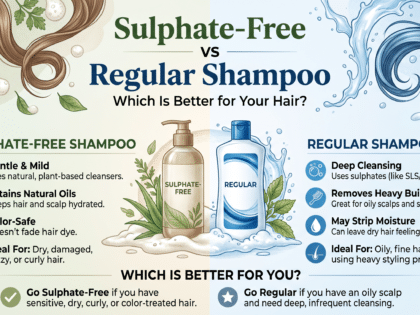
Biotin and Collagen Shampoo vs Regular Shampoo
The main difference between a biotin and collagen shampoo and a conventional shampoo is the formulation and the cosmetic benefits it is designed to provide.
| Feature | Biotin and Collagen Shampoo | Regular Shampoo |
|---|---|---|
| Primary purpose | Cleansing with added cosmetic conditioning benefits | Cleansing the scalp and hair |
| Key ingredients | May include biotin, collagen-derived ingredients, and conditioners | Varies by formula |
| Hair smoothness | Depends on the conditioning system | Depends on the conditioning system |
| Frizz management | May help when suitable conditioning ingredients are present | Varies by formulation |
| Fuller-looking hair | Some formulas may temporarily improve the appearance of body | Depends on the formula and hair type |
| Hair growth | Not established as a reliable treatment | Not generally intended to stimulate growth |
A shampoo containing biotin and collagen is not automatically better than every regular shampoo. The most appropriate option is the one that suits your scalp, hair type, and specific concerns.
Common Mistakes to Avoid When Using Biotin and Collagen Shampoo
Small mistakes in a hair care routine can contribute to dryness, buildup, and breakage. Avoid these common problems.
1. Expecting immediate hair growth: Cosmetic shampoo cannot guarantee new hair growth or prevent every cause of hair loss.
2. Skipping conditioner: Shampoo cleanses the hair, while conditioner helps improve softness, detangling, and manageability.
3. Using excessive heat: Frequent high-temperature styling can damage the hair shaft and increase breakage.
4. Scrubbing the scalp aggressively: Excessive friction can irritate the scalp and contribute to unnecessary hair damage.
5. Applying too much product: Excess shampoo may be wasteful and can leave some hair types feeling dry.
6. Ignoring persistent hair loss: Noticeable thinning, bald patches, or ongoing shedding may require professional assessment rather than a change in shampoo alone.
7. Choosing a product based only on its headline ingredients: The complete formulation, including cleansing agents, conditioning ingredients, and fragrance, matters when selecting a product.
Can Biotin and Collagen Shampoo Stop Hair Fall?
Hair fall can have several causes, including genetic hair loss, nutritional deficiencies, hormonal changes, certain illnesses, scalp conditions, stress, and medication-related effects.
A biotin and collagen shampoo may help improve hair manageability and reduce breakage when its conditioning properties are suitable for the hair. However, hair breakage and hair loss from the follicle are different problems.
Breakage occurs when the hair shaft snaps, often because of dryness, chemical damage, or mechanical stress. Hair shedding occurs when strands are released from their follicles as part of the hair cycle or because of an underlying condition.
A shampoo may help reduce some forms of breakage by improving conditioning and reducing friction, but it should not be presented as a proven treatment for follicular hair loss.
If hair shedding is sudden, persistent, severe, or accompanied by scalp irritation or bald patches, consult a qualified dermatologist to identify the cause and discuss appropriate treatment.
How to Get Better Results from Your Hair Care Routine
For weak, dry, and frizzy hair, a complete routine is often more useful than relying on a single product.
We recommend focusing on these practical habits:
- Choose a shampoo appropriate for your scalp condition.
- Use conditioner after washing.
- Incorporate a suitable hair mask when additional conditioning is needed.
- Reduce excessive bleaching, chemical straightening, and repeated high-heat styling.
- Detangle gently, especially when hair is wet.
- Avoid tight hairstyles that place excessive tension on the roots.
- Maintain a balanced diet with adequate protein and essential nutrients.
- Seek professional advice for persistent thinning or unusual shedding.
Healthy hair care is about consistency, realistic expectations, and selecting products that address your individual needs.
Frequently Asked Questions About Biotin and Collagen Shampoo
1. Is biotin and collagen shampoo good for weak hair?
It may be a useful option for weak-looking hair when the formula contains suitable conditioning ingredients. These can help improve smoothness and manageability. However, the benefits depend on the formulation, and shampoo alone cannot guarantee stronger hair growth.
2. Does biotin and collagen shampoo help with dry and frizzy hair?
It may help improve the feel and appearance of dry, frizzy hair, particularly when it contains effective conditioning agents. For better results, use a suitable conditioner and minimise excessive heat styling.
3. Can biotin and collagen shampoo make hair thicker?
Some formulations may temporarily make hair look fuller by coating the strands or improving their cosmetic appearance. This does not mean the shampoo increases the number of hair follicles or permanently changes the natural diameter of hair.
4. How long does it take to see results from biotin and collagen shampoo?
The hair may feel cleaner, softer, or easier to manage after the first few washes, depending on the formulation. Improvements in the appearance of frizz and shine may become more noticeable with consistent use. Hair growth results should not be assumed because biotin and collagen shampoo has not been established as a reliable hair-growth treatment.
5. Can we use biotin and collagen shampoo every day?
That depends on the product formulation and your scalp condition. Some shampoos are suitable for frequent use, while others may leave dry or sensitive scalps feeling uncomfortable. Follow the product directions and adjust the frequency according to your needs.
6. Is biotin and collagen shampoo suitable for coloured hair?
It may be suitable for coloured hair if the formulation is compatible with colour-treated hair. Check the product label and consider a gentle, colour-safe formula to help maintain the appearance of your hair colour.
7. Should we use conditioner after biotin and collagen shampoo?
Yes, conditioner is generally beneficial, especially for dry, frizzy, curly, or chemically treated hair. It helps improve detangling, reduce friction, and leave the hair feeling smoother.
8. Does biotin shampoo work for hair loss caused by nutritional deficiencies?
A shampoo should not be considered a treatment for nutritional deficiencies. If hair loss is caused by a deficiency, a healthcare professional can help identify the underlying issue and recommend appropriate management. Biotin supplementation should generally be considered when clinically indicated.
9. Can biotin and collagen shampoo repair damaged hair?
It may improve the cosmetic appearance and feel of damaged hair, but it cannot permanently restore every part of a damaged hair shaft. Conditioning products, gentle styling, and avoiding further damage can help improve manageability.
10. How do we choose the best biotin and collagen shampoo?
Consider your scalp condition, hair texture, and primary concern. Look for a formula with suitable cleansing agents and conditioning ingredients, check the complete ingredient list, and choose a product that fits your routine. Avoid relying on ingredient names alone when evaluating effectiveness.
Conclusion: Is Biotin and Collagen Shampoo Worth Adding to Your Hair Care Routine?
A biotin and collagen shampoo can be a useful addition to a hair care routine for weak-looking, dry, and frizzy hair, particularly when its formulation combines effective cleansing with appropriate conditioning ingredients.
It may help remove impurities, improve softness, reduce tangling, and create a smoother, more manageable appearance. However, its benefits depend on the complete formula, and it should not be expected to permanently repair damaged hair, reverse genetic hair loss, or guarantee new hair growth.
At Dokmai London, we believe that better hair care starts with choosing products according to your hair type and maintaining consistent, gentle care habits. Pairing a suitable shampoo with conditioner, limiting excessive heat, and protecting chemically treated hair can help you maintain hair that looks smoother, shinier, and healthier.
For persistent hair fall or significant thinning, professional advice can help identify the underlying cause and guide you towards the most appropriate solution.
Choose your hair care routine thoughtfully, care for your scalp consistently, and give your hair the attention it deserves.