
How to Remove Sun Tan from Your Face: Skincare Routine and Face Pack Tips
-
Dokmai London
- Posted on
- 0 comments
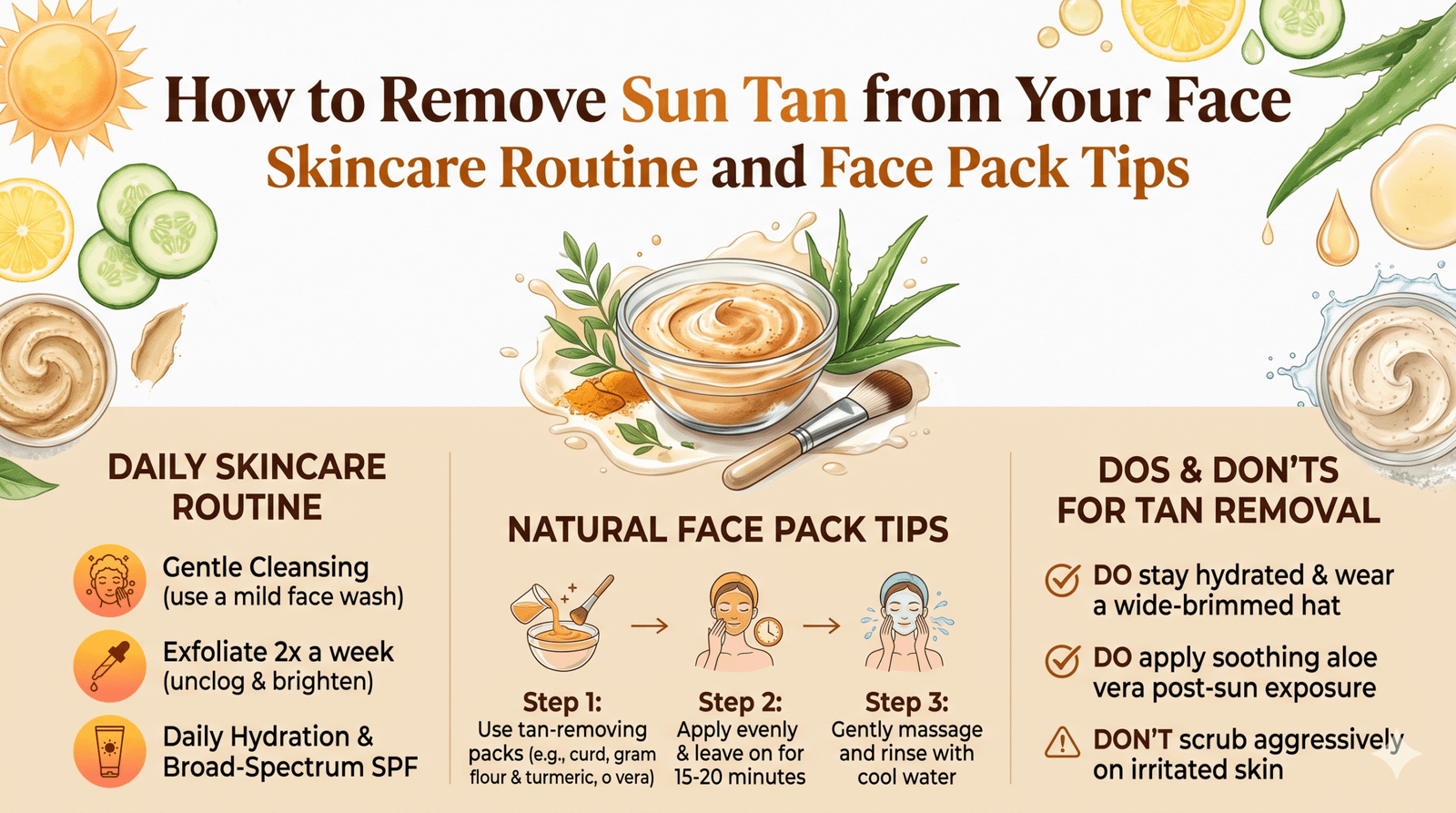
Sun exposure can leave your face looking darker, dull, and uneven. If you are wondering how to remove sun tan from your face, the key is to follow a consistent skincare routine, use suitable skincare products, and protect your skin from further UV damage.
Although a tan usually fades gradually, the right skincare habits can help improve your skin’s appearance and support a more even-looking complexion. In this guide, we will explore simple skincare steps, effective face pack tips, and daily habits that can help you manage sun tan safely.
What Causes Sun Tan on the Face?
Sun tan develops when your skin produces more melanin in response to ultraviolet (UV) radiation. Melanin is the natural pigment that helps protect your skin from sun damage.
Common causes of facial tanning include:
- Spending long hours outdoors without adequate sun protection.
- Skipping sunscreen or applying too little.
- Not reapplying sunscreen during prolonged outdoor activities.
- Exposure to intense sunlight during summer.
- Using skincare products that irritate the skin, potentially worsening pigmentation.
Sun exposure can also contribute to dark spots, uneven skin tone, premature ageing, and other forms of skin damage.
How to Remove Sun Tan from Your Face: A Daily Skincare Routine
A simple, consistent skincare routine is often more beneficial than trying multiple treatments at once.
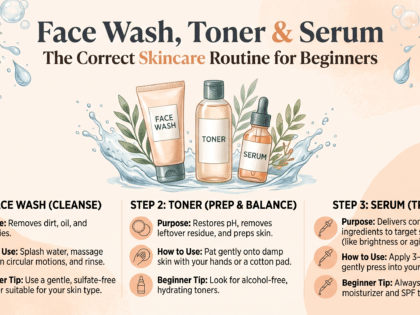
1. Cleanse Your Face Gently
Start your morning and evening skincare routine with a gentle face wash suitable for your skin type. Cleansing removes sweat, dirt, excess oil, and sunscreen residue without unnecessarily stripping the skin.
If your skin looks dull after sun exposure, choose a cleanser that leaves your skin feeling comfortable rather than tight or dry.
Avoid harsh soaps and aggressive scrubbing, as these can irritate the skin and make pigmentation more noticeable.
2. Use a Vitamin C Serum
Vitamin C is an antioxidant commonly used in skincare routines to improve the appearance of uneven skin tone and support a brighter-looking complexion.
Apply a suitable Vitamin C serum after cleansing, following the product instructions. Start gradually if you have sensitive skin, and discontinue use if irritation develops.
For the best results, combine your skincare routine with daily sun protection. A serum alone cannot prevent tanning or reverse all sun-related pigmentation.
3. Apply a Moisturiser
Moisturising helps maintain the skin’s protective barrier and keeps your face hydrated.
Choose a lightweight, non-comedogenic moisturiser if you have oily or acne-prone skin. If your skin is dry, a richer formula may be more comfortable.
Healthy skin-barrier function is important when treating uneven skin tone because irritated skin may develop additional pigmentation.
4. Never Skip Sunscreen
Sunscreen is one of the most important steps when trying to reduce the appearance of a tan.
Choose a broad-spectrum sunscreen with SPF 30 or higher. Apply it generously to your face, ears, and neck before going outdoors.
Remember to:
- Apply sunscreen approximately 15 minutes before sun exposure, following the product label.
- Reapply every two hours when outdoors.
- Reapply after swimming, sweating, or towel-drying as directed.
- Wear a wide-brimmed hat and seek shade during intense sunlight.
Consistent sun protection helps prevent further tanning and allows existing pigmentation to fade gradually.
Best Face Pack Tips for Sun-Tanned Skin
Face packs can provide temporary hydration and make your skin feel refreshed. However, they cannot reliably remove a tan overnight. Choose gentle ingredients and avoid remedies that can irritate your skin.
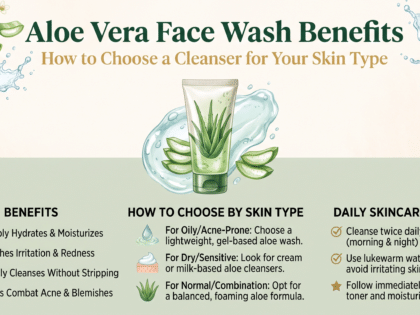
1. Aloe Vera Gel Face Pack
Aloe vera gel can help soothe skin that feels warm or uncomfortable after sun exposure.
How to use it:
- Take a small amount of plain aloe vera gel.
- Apply a thin layer to clean skin.
- Leave it on according to the product instructions.
- Rinse if needed and follow with moisturiser.
Use a fragrance-free product if your skin is sensitive. Aloe vera may soothe the skin, but evidence that it removes an established tan is limited.
2. Yoghurt and Oatmeal Face Pack
Oatmeal can help soothe dry or irritated skin, while plain yoghurt contains lactic acid. However, the effectiveness and safety of homemade mixtures are less predictable than formulated skincare products.
How to use it:
- Mix a small amount of finely ground oatmeal with plain, unsweetened yoghurt.
- Patch-test the mixture before facial application.
- Apply gently without rubbing or scrubbing.
- Rinse with lukewarm water if there is no irritation.
Avoid this face pack if your skin is sunburned, broken, or particularly sensitive. Do not use it as a substitute for sunscreen or proven pigmentation treatments.
3. Choose a Formulated D-Tan Face Pack
If you prefer a ready-to-use skincare product, a formulated D-Tan face pack may be a convenient addition to your skincare routine.
Choose a product designed for your skin type and follow its usage instructions. Look for clear ingredient information, avoid products promising instant whitening, and patch-test before your first application.
For those exploring skincare options from Dokmai London, select a suitable product based on its actual ingredients and directions rather than expecting an immediate or permanent removal of a tan.
Ingredients That May Help Improve Uneven Skin Tone
Some skincare ingredients have better evidence for improving the appearance of pigmentation than homemade face packs.
- Vitamin C: An antioxidant that may help improve the appearance of uneven skin tone.
- Niacinamide: May help reduce the appearance of dark spots and support the skin barrier.
- Azelaic acid: Can help with certain forms of pigmentation and acne-related marks.
- Retinoids: May improve pigmentation over time but can cause irritation and are not suitable for everyone.
- Glycolic acid: An exfoliating ingredient that may improve uneven skin tone when appropriately formulated and used.
Introduce one active ingredient at a time. Avoid combining several strong exfoliants or active ingredients without professional guidance. Retinoids should generally be avoided during pregnancy.
How Long Does It Take for a Face Tan to Fade?
The time required for a tan to fade varies depending on your skin type, the amount of sun exposure, and whether pigmentation is present.
A mild tan may fade over several weeks as the skin naturally renews itself. Deeper pigmentation or persistent dark patches may take several months or longer.
The most important steps are to prevent further UV exposure, use sunscreen consistently, and follow a gentle skincare routine.
If the pigmentation persists, worsens, or appears in irregular patches, consult a dermatologist for an appropriate assessment.
Common Mistakes to Avoid When Treating Sun Tan
Avoid these mistakes if you want to improve your skin’s appearance safely:
- Applying lemon juice directly to the face.
- Scrubbing the skin aggressively with sugar or salt.
- Using baking soda or other harsh household ingredients.
- Applying bleaching products without knowing their ingredients.
- Using multiple strong exfoliating products at the same time.
- Expecting a face pack to remove a tan overnight.
- Skipping sunscreen after using brightening skincare products.
Irritation can worsen pigmentation, particularly in skin prone to post-inflammatory hyperpigmentation.
Frequently Asked Questions
1. How can I remove sun tan from my face naturally?
Use a gentle cleanser, moisturiser, and broad-spectrum sunscreen. A soothing aloe vera product may help comfort the skin, but no natural face pack is proven to remove a tan instantly.
2. Which face pack is best for sun tan?
The best option depends on your skin type and sensitivity. A well-formulated face pack may improve how your skin feels and looks temporarily, but consistent sun protection is essential for preventing further tanning.
3. Does Vitamin C serum help with sun tan?
Vitamin C may help improve the appearance of uneven skin tone over time. It should be used alongside sunscreen and will not guarantee complete removal of an established tan.
4. Can sunscreen help an existing tan fade?
Sunscreen does not directly remove existing pigment, but it helps prevent additional UV-induced darkening and supports the natural fading process.
5. How often should I use a D-Tan face pack?
Follow the product label because recommended frequency varies by formulation. Avoid overuse, especially if the product contains exfoliating acids or other potentially irritating ingredients.
6. Is sun tan permanent?
Most ordinary tans gradually fade, but repeated sun exposure can cause persistent pigmentation and cumulative skin damage. Some pigmentation conditions may require professional treatment.
Final Thoughts
Learning how to remove sun tan from your face starts with understanding that healthy, even-looking skin requires patience and consistent care.
Follow a simple skincare routine with gentle cleansing, moisturising, suitable brightening ingredients, and broad-spectrum sunscreen. You can also consider a suitable face pack for occasional skincare support, provided it does not irritate your skin.
At Dokmai London, choosing skincare products according to your skin’s needs and using them consistently can help you build a more effective skincare routine. Remember, the goal is healthier-looking skin, not instant whitening.