
Face Wash for Acne-Prone Skin: How to Choose the Right Cleanser for Clear, Healthy Skin
-
Dokmai London
- Posted on
- 0 comments
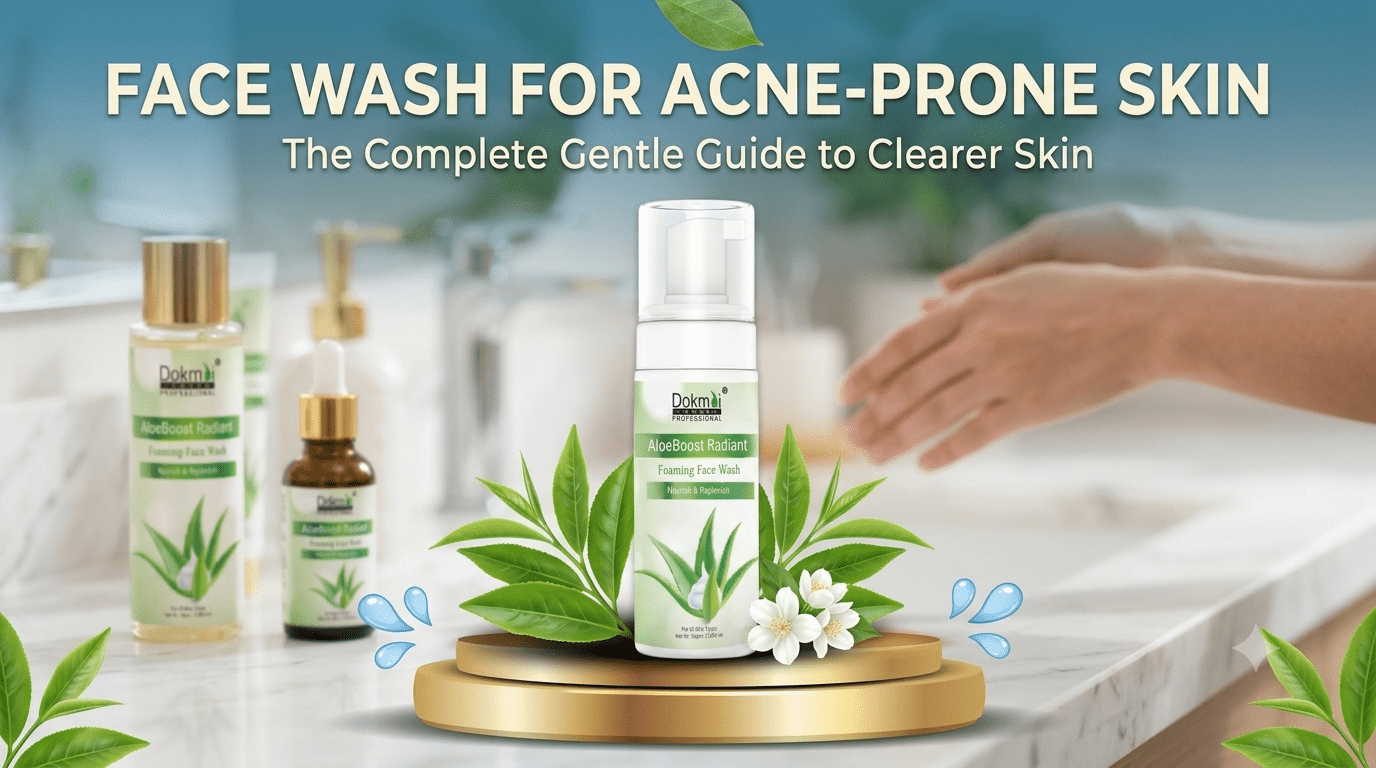
Acne is one of the most common skin concerns affecting teenagers and adults alike. Pimples, blackheads, whiteheads, and stubborn breakouts can impact both your skin and confidence. While there is no overnight solution for acne, using the right face wash for acne-prone skin is one of the most important steps in building an effective skincare routine.
A good face wash helps remove excess oil, dirt, sweat, makeup residue, and impurities that can clog pores. It also prepares your skin for other skincare products like serums and moisturizers. However, choosing the wrong cleanser can strip your skin of its natural moisture, leading to irritation or even increased oil production.
In this comprehensive guide, you’ll learn how to choose the best face wash for acne-prone skin, the ingredients to look for, skincare tips, and healthy habits that support clearer skin.
What Causes Acne?
Acne develops when pores become clogged with excess oil (sebum), dead skin cells, and bacteria. Several factors can contribute to acne, including:
- Excess oil production
- Hormonal changes
- Clogged pores
- Bacteria
- Genetics
- Stress
- Certain skincare or cosmetic products
- Environmental pollution
Understanding the causes of acne can help you make better skincare choices.
Why Is a Face Wash Important for Acne-Prone Skin?
A gentle cleanser is the foundation of every acne-care routine.
Using the right face wash can help:
- Remove excess oil
- Clean dirt and pollution
- Prevent clogged pores
- Reduce impurities
- Refresh the skin
- Prepare the skin for treatment products
- Maintain the skin’s natural moisture barrier
Remember, a face wash alone won’t cure acne, but it plays a vital role in maintaining healthy skin.
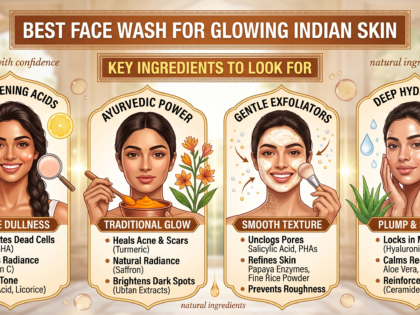
What to Look for in a Face Wash for Acne-Prone Skin
Choosing a face wash with skin-friendly ingredients can make a noticeable difference over time.
Salicylic Acid
Salicylic Acid is one of the most popular ingredients for acne-prone skin.
It helps:
- Exfoliate inside pores
- Reduce blackheads
- Minimize whiteheads
- Keep pores clear
Niacinamide
Niacinamide supports healthy skin by:
- Balancing oil production
- Reducing redness
- Improving skin texture
- Strengthening the skin barrier
It is suitable for most skin types, including sensitive skin.
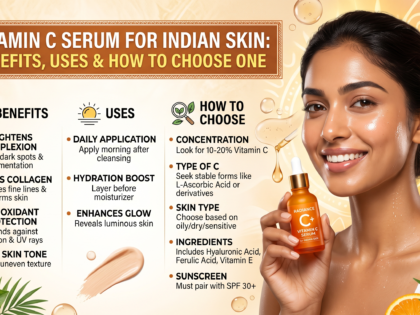
Vitamin C
Vitamin C is beneficial for people who experience post-acne marks or dull skin.
Benefits include:
- Brightening the complexion
- Supporting collagen production
- Improving the appearance of dark spots
- Protecting against environmental stressors
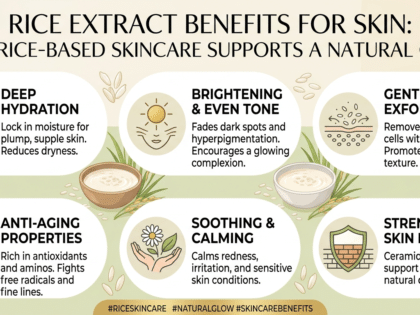
Hyaluronic Acid
Many acne treatments can leave the skin feeling dry.
Hyaluronic Acid helps:
- Hydrate the skin
- Reduce tightness
- Support the skin barrier
- Improve overall comfort
Aloe Vera
Aloe Vera is known for its soothing properties.
It helps:
- Calm irritated skin
- Provide lightweight hydration
- Support skin recovery
Ingredients to Avoid If Your Skin Is Acne-Prone
Some products may irritate acne-prone skin.
Consider avoiding cleansers with:
- Harsh sulfates
- High alcohol content
- Heavy oils (if they don’t suit your skin)
- Strong artificial fragrances (if you’re sensitive)
Choose products labeled as non-comedogenic, meaning they are designed not to clog pores.
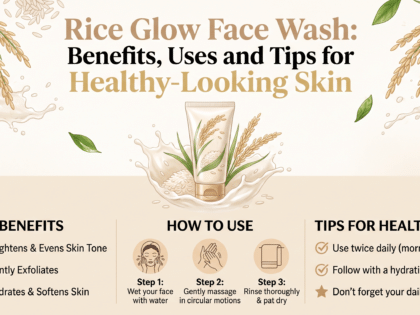
How to Use a Face Wash Correctly
Even the best face wash won’t deliver its full benefits if used incorrectly.
Follow these steps:
Step 1
Wet your face with lukewarm water.
Step 2
Apply a small amount of cleanser.
Step 3
Massage gently for 30–60 seconds using circular motions.
Step 4
Rinse thoroughly.
Step 5
Pat your face dry with a clean towel.
Avoid rubbing your skin aggressively, as this may increase irritation.
Morning Skincare Routine for Acne-Prone Skin
A simple morning routine can help keep your skin fresh and protected.
- Cleanse your face.
- Apply a lightweight Niacinamide or Vitamin C serum (if suitable for your skin).
- Use a non-comedogenic moisturizer.
- Finish with a broad-spectrum sunscreen (SPF 30 or higher).
Night Skincare Routine for Acne-Prone Skin
Nighttime is when your skin naturally repairs itself.
Follow these steps:
- Remove makeup and sunscreen.
- Wash your face with a gentle cleanser.
- Apply your treatment or serum as recommended.
- Use a lightweight moisturizer.
Consistency is more important than using many products.
Lifestyle Tips to Support Clear Skin
Healthy habits can complement your skincare routine.
Stay Hydrated
Drinking enough water supports overall skin health.
Eat a Balanced Diet
Include:
- Fresh fruits
- Vegetables
- Whole grains
- Lean proteins
- Healthy fats
A nutritious diet supports your body’s overall health, including your skin.
Get Enough Sleep
Aim for 7–8 hours of quality sleep each night.
Manage Stress
Stress can contribute to breakouts in some people.
Activities like exercise, meditation, or deep breathing may help.
Avoid Touching Your Face
Touching your face frequently may transfer dirt and bacteria to your skin.
Common Mistakes to Avoid
Many people unintentionally make acne worse by:
- Washing the face too often
- Scrubbing aggressively
- Skipping moisturizer
- Popping pimples
- Sleeping with makeup on
- Using too many active ingredients at once
- Forgetting sunscreen
Keeping your routine gentle and consistent often produces the best results.
How Long Does It Take to See Results?
Healthy skincare requires patience.
Many people notice improvements within 4–8 weeks of using a consistent routine. Results vary depending on your skin type, the severity of your acne, and the products you use.
Frequently Asked Questions (FAQs)
How many times should I wash acne-prone skin?
Twice daily—once in the morning and once at night—is generally recommended. Over-washing may irritate the skin.
Can a face wash cure acne?
No. A face wash helps cleanse the skin and reduce factors that contribute to breakouts, but persistent or severe acne may require additional treatments recommended by a dermatologist.
Is moisturizer necessary for acne-prone skin?
Yes. A lightweight, non-comedogenic moisturizer helps maintain hydration and supports the skin barrier.
Which ingredients are best for acne-prone skin?
Popular ingredients include Salicylic Acid, Niacinamide, Vitamin C, Hyaluronic Acid, and Aloe Vera, depending on your skin’s needs.