
How to Repair Damaged Hair Naturally: 10 Proven Tips for Healthy, Strong Hair
-
Dokmai London
- Posted on
- 0 comments
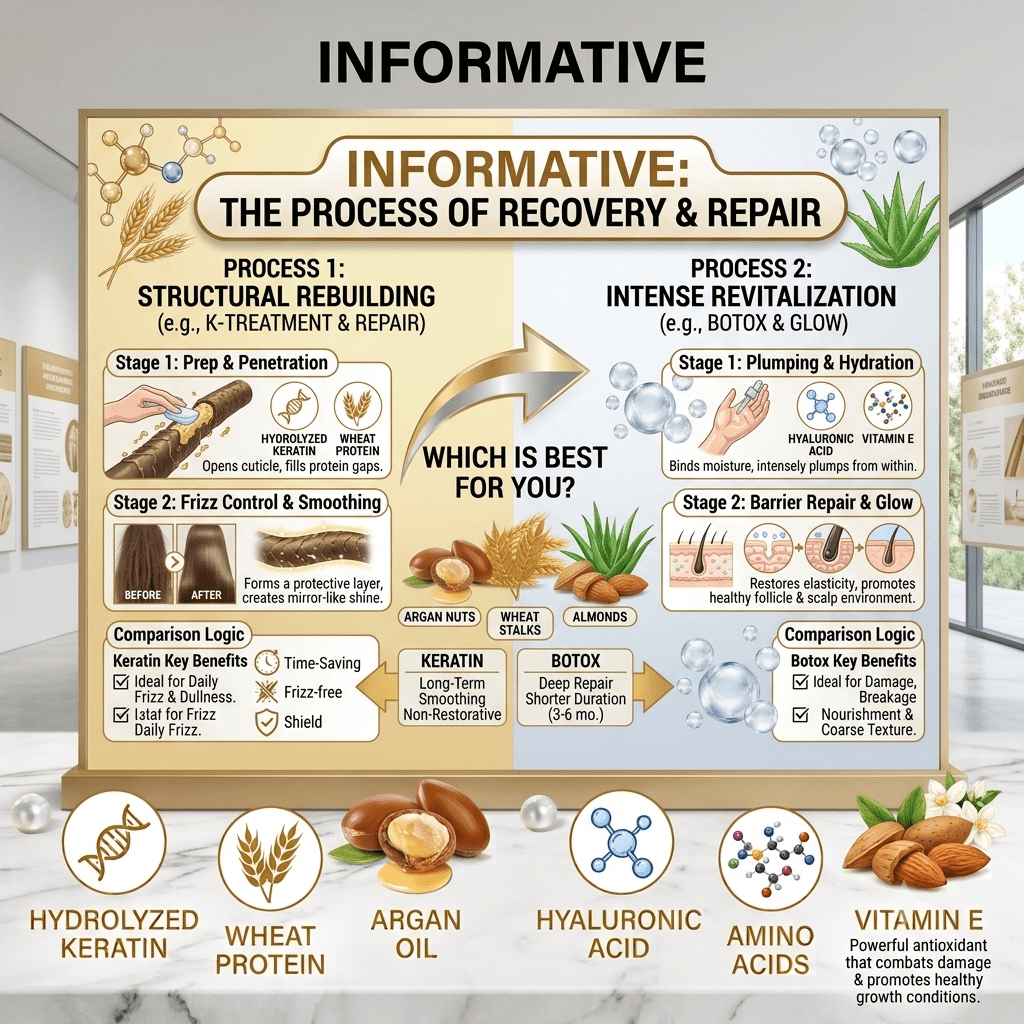
Damaged hair is one of the most common hair concerns, caused by heat styling, chemical treatments, pollution, poor nutrition, and improper hair care. The good news is that while severely damaged hair cannot be permanently “healed,” you can significantly improve its appearance, strength, and health with the right natural care routine.
In this guide, you’ll learn how to repair damaged hair naturally, the best home remedies, essential ingredients, and daily habits that promote healthier, shinier, and stronger hair.
What Causes Hair Damage?
Hair damage happens when the protective outer layer (cuticle) becomes weakened or broken. Common causes include:
- Frequent heat styling (straighteners, curling irons, blow dryers)
- Hair coloring and bleaching
- Chemical treatments like rebonding or perming
- Excessive sun exposure
- Pollution and hard water
- Overwashing
- Tight hairstyles
- Nutritional deficiencies
- Lack of proper hair care
Signs of Damaged Hair
If you notice these symptoms, your hair may need extra care:
- Dry and rough texture
- Split ends
- Frizz
- Hair breakage
- Dull appearance
- Tangled hair
- Lack of shine
- Weak strands
- Excessive hair fall due to breakage
10 Natural Ways to Repair Damaged Hair
1. Nourish Your Hair with Natural Oils
Natural oils deeply moisturize hair, reduce frizz, and improve elasticity.
Best oils include:
- Coconut Oil
- Argan Oil
- Almond Oil
- Olive Oil
- Jojoba Oil
Massage warm oil into your scalp and hair lengths, leave it on for 1–2 hours (or overnight), then wash with a gentle shampoo.
Frequency: 2–3 times a week.
2. Use a Mild Sulfate-Free Shampoo
Harsh shampoos strip away natural oils, leaving hair dry and brittle.
Choose shampoos with nourishing ingredients such as:
- Aloe Vera
- Keratin
- Biotin
- Argan Oil
- Coconut Milk
Wash your hair only 2–3 times a week unless your scalp gets very oily.
3. Never Skip Conditioner
Conditioner helps restore moisture, smooth the hair cuticle, and reduce breakage.
Look for ingredients like:
- Shea Butter
- Ceramides
- Panthenol (Vitamin B5)
- Argan Oil
- Hydrolyzed Proteins
Apply conditioner mainly to the mid-lengths and ends of your hair.
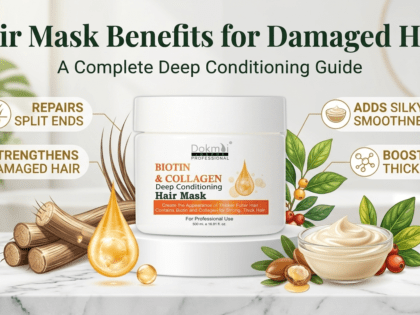
4. Apply a Natural Hair Mask Weekly
Hair masks provide deep nourishment and hydration.
Banana & Honey Hair Mask
Ingredients:
- 1 ripe banana
- 2 tablespoons honey
- 1 tablespoon olive oil
Blend into a smooth paste, apply to your hair for 30 minutes, then rinse thoroughly.
Benefits:
- Softens hair
- Reduces frizz
- Adds shine
- Improves moisture
Use once a week.
5. Reduce Heat Styling
Excessive heat weakens the hair shaft and causes dryness.
Tips:
- Let hair air dry whenever possible.
- Use a heat protectant before styling.
- Keep styling tools on a low or medium setting.
- Limit heat styling to special occasions.
6. Trim Split Ends Regularly
Split ends cannot be repaired permanently. Regular trims help prevent them from traveling further up the hair shaft.
Trim every 6–8 weeks to keep your hair looking healthy.
7. Eat a Hair-Healthy Diet
Healthy hair starts from within.
Include foods rich in:
- Protein (eggs, fish, beans)
- Iron (spinach, lentils)
- Biotin (nuts, eggs)
- Omega-3 fatty acids (salmon, flaxseeds)
- Vitamin C (oranges, berries)
- Zinc (pumpkin seeds)
A balanced diet supports stronger, healthier hair growth.
8. Stay Hydrated
Dehydration can make hair dry and brittle.
Aim to drink 2–3 liters of water daily to support healthy hair and scalp.
9. Protect Hair While Sleeping
Cotton pillowcases can create friction, leading to frizz and breakage.
Instead:
- Sleep on a silk or satin pillowcase.
- Tie long hair loosely before bed.
- Avoid sleeping with wet hair.
These small changes can reduce overnight damage.
10. Avoid Tight Hairstyles
Constant tension from tight ponytails, buns, or braids can weaken hair and cause breakage.
Opt for loose hairstyles and use soft fabric hair ties instead of tight elastic bands.
Best Natural Ingredients for Damaged Hair
Coconut Oil
Penetrates the hair shaft to reduce protein loss and improve moisture.
Aloe Vera
Soothes the scalp, hydrates hair, and adds shine.
Honey
A natural humectant that attracts and retains moisture.
Yogurt
Contains proteins and lactic acid that nourish and soften hair.
Avocado
Rich in healthy fats, vitamins, and antioxidants that deeply condition hair.
Egg
Provides protein to strengthen weak hair strands.
Weekly Hair Care Routine for Damaged Hair
Monday
Oil massage + gentle shampoo + conditioner.
Wednesday
Use a hydrating conditioner or leave-in conditioner.
Friday
Apply a nourishing hair mask.
Sunday
Scalp massage with warm oil for 15–20 minutes.
Consistency is key to seeing long-term improvements.
Hair Care Mistakes to Avoid
Avoid these habits to prevent further damage:
- Washing hair with very hot water
- Overwashing
- Brushing wet hair aggressively
- Skipping conditioner
- Frequent bleaching or coloring
- Using too many styling products
- Heat styling without protection
- Ignoring regular trims
Can Damaged Hair Be Repaired Naturally?
Hair that has already split or broken cannot be fully restored because hair is made of dead cells. However, natural care can:
- Improve moisture levels
- Reduce breakage
- Increase softness and shine
- Strengthen the hair shaft
- Prevent future damage
- Promote healthier new hair growth
With consistent care, your hair can look and feel much healthier over time.
Frequently Asked Questions
How long does it take to repair damaged hair naturally?
Most people notice improvements in softness and manageability within 4–8 weeks, while significant improvements in overall hair health may take several months with consistent care.
Is coconut oil good for damaged hair?
Yes. Coconut oil helps reduce protein loss, moisturizes the hair shaft, and protects against further damage when used regularly.
Can natural remedies repair split ends?
No. Split ends cannot be permanently repaired. The best solution is to trim them and prevent new split ends with proper hair care.
Should I oil my hair every day?
No. Oiling 2–3 times a week is generally sufficient for most hair types. Excessive oiling may lead to product buildup on the scalp.
Final Thoughts
Learning how to repair damaged hair naturally is about building healthy habits rather than looking for instant fixes. Gentle cleansing, regular conditioning, weekly nourishing masks, protective styling, and a nutrient-rich diet all work together to improve your hair’s health over time.
Natural ingredients like coconut oil, aloe vera, honey, avocado, and yogurt can provide hydration and nourishment, while reducing heat styling and chemical treatments helps prevent further damage. Stay consistent with your routine, and you’ll enjoy stronger, smoother, shinier hair that looks healthier every day.