
What Causes Hair Fall? Common Reasons and Effective Hair Care Solutions
-
Dokmai London
- Posted on
- 0 comments
Hair fall is one of the most common hair concerns affecting both men and women. Whether we notice excessive hair on our pillows, in the shower drain, or on our hairbrush, experiencing hair loss can be frustrating and stressful. While losing some hair every day is completely normal, excessive or sudden hair fall may indicate an underlying problem that requires attention.
Healthy hair is not just about appearance; it also reflects our overall hair care habits, nutrition, lifestyle, and scalp health. Understanding what causes hair fall is the first step towards choosing the right treatment and maintaining stronger, healthier-looking hair.
From nutritional deficiencies and hormonal changes to stress, scalp conditions, and improper hair care routines, several factors can contribute to hair thinning and excessive shedding. Fortunately, with the right approach, many causes of hair fall can be managed effectively.
In this comprehensive guide, we will explore the common causes of hair fall, early warning signs, effective hair care solutions, and professional treatments that can help improve hair health.
What Is Hair Fall and How Much Hair Loss Is Normal?
Hair fall is a natural part of the hair growth cycle. Every individual experiences some daily hair shedding as old strands fall out to make room for new hair growth.
Generally, losing around 50–100 hair strands per day is considered normal. However, when hair shedding becomes excessive, noticeable thinning occurs, or bald patches begin to develop, it may indicate a hair loss concern.
Our hair follows three main growth phases:
- Anagen Phase (Growth Phase): This is the active growth stage, during which hair follicles produce new hair. It can last several years.
- Catagen Phase (Transition Phase): This short transitional stage lasts approximately two to three weeks, during which hair growth slows down.
- Telogen Phase (Resting Phase): Hair follicles rest before the old strand sheds and a new growth cycle begins.
Disruptions in this natural cycle can lead to excessive hair shedding, reduced hair density, and thinning.
What Are the Common Causes of Hair Fall?
Understanding the underlying reasons for hair loss is essential before selecting any hair care treatment. Different individuals may experience hair fall due to different factors.
Let’s explore the most common causes.
1. Nutritional Deficiencies
One of the major contributors to unhealthy hair growth is inadequate nutrition. Hair follicles require essential vitamins, minerals, proteins, and other nutrients to function properly.
When our diet lacks important nutrients, hair may become weak, brittle, and more prone to breakage.
Some common nutritional deficiencies associated with hair loss include:
- Iron: Low iron levels can contribute to excessive hair shedding.
- Vitamin D: Vitamin D plays a role in normal hair follicle functioning.
- Vitamin B12: It supports healthy red blood cell production and overall cellular function.
- Zinc: This mineral supports tissue growth and repair.
- Protein: Hair is primarily made of keratin, a protein essential for hair structure.
Effective Solution: Include protein-rich foods, green leafy vegetables, nuts, seeds, lentils, fruits, and other nutrient-dense foods in your daily diet. If hair loss is persistent, consult a healthcare professional about appropriate blood tests rather than taking supplements without guidance.
2. Stress and Lifestyle Changes
Stress can significantly influence the hair growth cycle. Physical or emotional stress may trigger a condition known as telogen effluvium, which causes more hair follicles than usual to enter the resting phase.
Hair shedding may become noticeable two to three months after a stressful event.
Common triggers include:
- Work-related pressure.
- Emotional stress and anxiety.
- Lack of sleep.
- Sudden weight loss.
- Major illness or surgery.
- Significant lifestyle changes.
Effective Solution: Maintaining a balanced lifestyle can support overall hair health. Practise relaxation techniques, get adequate sleep, exercise regularly, and maintain a nutritious diet. If excessive shedding continues, seek professional advice.
3. Hormonal Imbalance
Hormones play an important role in regulating hair growth. Changes in hormone levels can affect hair density, follicle activity, and the hair growth cycle.
Hormonal hair loss may occur due to:
- Thyroid disorders.
- Pregnancy and childbirth.
- Menopause.
- Polycystic ovary syndrome (PCOS).
- Androgen-related hair loss.
Women may experience increased hair shedding after childbirth because hormone levels change significantly during this period.
Effective Solution: Identifying and treating the underlying hormonal condition is important. A dermatologist or healthcare professional can recommend appropriate investigations and treatment options.
4. Excessive Heat Styling
Frequent use of heat-styling tools can damage the hair shaft and weaken its protective outer layer.
Hair dryers, straighteners, curling irons, and other heated styling equipment can make hair dry, rough, and vulnerable to breakage.
Signs of heat-damaged hair include:
- Split ends.
- Rough texture.
- Dryness and frizz.
- Increased breakage.
- Loss of natural shine.
Effective Solution:
- Reduce the frequency of heat styling.
- Always use a suitable heat protectant.
- Avoid excessive temperatures.
- Allow hair to air-dry whenever possible.
- Use conditioning treatments to improve softness and manageability.
5. Improper Hair Care Routine
An unsuitable hair care routine can gradually damage hair and contribute to breakage.
Using harsh shampoos, washing hair with excessively hot water, aggressive towel drying, and brushing wet hair roughly can weaken hair strands.
Other common mistakes include:
- Applying excessive styling products.
- Skipping conditioner.
- Using unsuitable hair products.
- Not cleansing the scalp properly.
- Frequently changing chemical treatments.
Effective Solution: Develop a consistent hair care routine according to your scalp type and hair texture. Choose gentle shampoos, use conditioner after washing, and handle wet hair carefully.
6. Dandruff and Scalp Problems
A healthy scalp provides the foundation for healthy hair growth. Conditions such as dandruff and seborrheic dermatitis can cause itching, irritation, and inflammation.
Scratching an irritated scalp may also damage hair strands and increase breakage.
Common scalp concerns include:
- Dandruff.
- Seborrheic dermatitis.
- Scalp psoriasis.
- Fungal infections.
- Scalp inflammation.
Effective Solution: Use appropriate scalp treatments based on the underlying condition. Medicated shampoos containing ingredients such as ketoconazole or zinc pyrithione may help with certain dandruff-related conditions. Persistent itching, redness, scaling, or hair loss should be evaluated by a dermatologist.
7. Genetics and Hereditary Hair Loss
Genetics is another significant reason behind hair thinning and hair loss.
Androgenetic alopecia, commonly known as male-pattern or female-pattern hair loss, is a hereditary condition that affects hair follicles over time.
In men, it may cause a receding hairline or thinning at the crown. In women, it commonly appears as gradual thinning around the central parting.
Effective Solution: Early diagnosis can help manage hereditary hair loss. Dermatologists may recommend evidence-based treatments such as topical minoxidil, depending on individual suitability.
8. Frequent Chemical Hair Treatments
Chemical treatments such as hair colouring, bleaching, smoothening, rebonding, and certain straightening procedures can affect hair structure.
Repeated chemical processing may weaken the hair shaft, resulting in dryness, brittleness, and breakage.
Effective Solution:
- Avoid overlapping chemical treatments.
- Maintain appropriate gaps between procedures.
- Choose professional salon services.
- Use suitable post-treatment shampoos and conditioners.
- Include regular deep-conditioning treatments.
Professional hair care can help improve the appearance, softness, and manageability of chemically treated hair.
Effective Hair Care Solutions to Reduce Hair Fall
Once we understand the possible causes of hair fall, the next step is to follow a consistent and suitable hair care routine.
Here are some practical solutions that can help maintain stronger and healthier-looking hair.
1. Follow a Balanced and Protein-Rich Diet
Nutrition is essential for maintaining healthy hair.
Include foods that provide the nutrients required for normal hair growth:
| Nutrient | Food Sources |
|---|---|
| Protein | Eggs, lentils, paneer, fish |
| Iron | Spinach, beans, lentils |
| Vitamin C | Oranges, amla, guava |
| Zinc | Pumpkin seeds, nuts |
| Omega-3 | Walnuts, flaxseeds, fatty fish |
| Biotin | Eggs, nuts, seeds |
A balanced diet supports overall health and provides the building blocks required for healthy hair.
2. Choose the Right Shampoo and Conditioner
Not every shampoo is suitable for every hair type.
Choosing products according to your scalp condition and hair texture can make a significant difference in maintaining healthy-looking hair.
Consider the following:
- Dry Hair: Use a gentle, moisturising shampoo and nourishing conditioner.
- Oily Scalp: Choose a shampoo that effectively removes excess oil and buildup.
- Damaged Hair: Use conditioning products designed to improve softness and manageability.
- Dandruff-Prone Scalp: Consider an appropriate anti-dandruff shampoo.
Avoid using products simply because they are popular. Focus on your individual hair and scalp requirements.
3. Include Regular Hair Spa Treatments
Hair spa treatments are a popular way to improve hair softness, smoothness, and overall appearance.
A professional hair spa generally involves cleansing, conditioning, nourishing masks, and scalp massage, depending on the service selected.
Potential benefits include:
- Improving hair softness.
- Reducing dryness and roughness.
- Enhancing shine.
- Improving manageability.
- Supporting a healthy-feeling scalp.
Regular professional conditioning treatments can be particularly helpful for dry, frizzy, and chemically treated hair.
However, hair spa treatments primarily improve hair condition and appearance; they do not treat every medical cause of hair loss or guarantee new hair growth.
4. Massage Your Scalp Gently
A gentle scalp massage can be a relaxing addition to your hair care routine.
It may temporarily improve scalp comfort and help distribute natural oils across the scalp.
For better results:
- Use your fingertips rather than your nails.
- Apply gentle circular movements.
- Avoid excessive pressure.
- Do not pull or twist the hair.
- Stop if you experience irritation or discomfort.
Scalp massage should be considered a supportive hair care practice rather than a proven treatment for hair regrowth.
5. Avoid Tight Hairstyles
Tight ponytails, buns, braids, and extensions can place continuous tension on hair follicles.
Repeated pulling may lead to a condition called traction alopecia, which can cause hair loss around the hairline and temples.
Choose loose hairstyles and avoid excessive tension, especially when hair is wet or fragile.
6. Protect Your Hair from Environmental Damage
Sun exposure, pollution, dust, and environmental stressors can affect hair condition.
To protect your hair:
- Cover your hair during prolonged sun exposure.
- Wash away dirt and product buildup regularly.
- Avoid excessive heat exposure.
- Use suitable conditioning products.
- Maintain a clean and healthy scalp.
Professional Hair Treatments That Can Improve Hair Health
Professional salon treatments can help address common cosmetic hair concerns such as dryness, frizz, roughness, and damage.
The right treatment depends on your hair condition and desired results.
Here Is Why You Should Get A Hair Spa Done Every Month | Herzindagi
Professional Keratin Hair Treatments for Salons | YUDIVA
Why Professional Hair Treatments Make All the Difference – Pro Massage and Spa
8
1. Hair Spa Treatment
Hair spa treatments focus on conditioning and nourishing the hair.
They are particularly suitable for individuals experiencing dryness, roughness, dullness, and frizz.
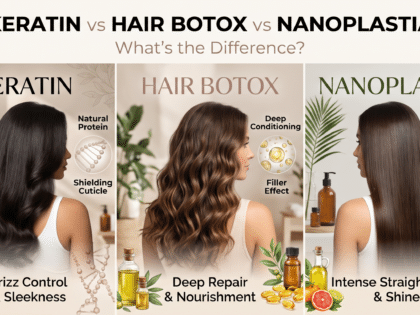
2. Keratin Hair Treatment
Keratin treatments are designed to improve smoothness, reduce frizz, and make hair easier to manage.
They can be suitable for individuals with frizzy or difficult-to-manage hair. However, treatment formulas vary, and some smoothing products may release formaldehyde or related chemicals when heated. Always discuss ingredients, ventilation, and safety with your stylist.
3. Hair Botox Treatment
Hair Botox is a cosmetic deep-conditioning treatment that aims to improve the appearance of dry, damaged, and frizzy hair.
Despite its name, it does not involve Botox injections. It may help hair look smoother, softer, and shinier.
4. Nanoplastia Hair Treatment
Nanoplastia is a hair-smoothing procedure designed to reduce frizz and improve manageability.
Its results and suitability depend on the product formulation and the existing condition of the hair.
Professional consultation and a strand test are recommended before chemical smoothing procedures.
5. Deep Conditioning Treatment
Deep conditioning treatments help improve moisture, softness, and flexibility.
They can be particularly beneficial for hair affected by heat styling, colouring, and environmental damage.
Important: Cosmetic salon treatments improve the condition of hair strands but cannot reverse genetic hair loss, correct nutritional deficiencies, or treat underlying medical conditions.
Daily Hair Care Routine for Healthy and Strong Hair
Following a simple routine consistently can help prevent avoidable hair damage.
Young woman washing head by shampoo
happy young woman applying hair conditioner
Woman applying serum onto hair indoors, closeup
7
| Hair Care Step | Recommended Practice |
|---|---|
| Morning | Gently detangle your hair |
| Hair Washing | Use a suitable shampoo |
| Conditioning | Apply conditioner to hair lengths |
| After Washing | Pat dry with a soft towel |
| Styling | Use heat protectant before heat styling |
| Night | Avoid sleeping with very tight hairstyles |
| Weekly | Use a suitable conditioning hair mask |
Consistency is more important than using too many products. A simple routine that suits your hair type is often more effective than frequently experimenting with different products.
When Should You Consult a Dermatologist for Hair Fall?
Although occasional hair shedding is normal, certain warning signs should not be ignored.
Consider consulting a dermatologist if you experience:
- Sudden or excessive hair shedding.
- Visible bald patches.
- Gradual widening of the hair parting.
- Receding hairline.
- Scalp itching, redness, or pain.
- Hair loss accompanied by other unexplained symptoms.
- Persistent hair fall despite improving your hair care routine.
A dermatologist may examine your scalp, review your medical and family history, and recommend blood tests or other investigations when necessary.
Depending on the diagnosis, treatment may include topical medications, prescription treatments, nutritional correction, or other medical procedures.
Early diagnosis is important because some forms of hair loss are easier to manage when treatment begins promptly.
Common Hair Care Mistakes That Can Increase Hair Damage
Sometimes, our everyday habits contribute to unnecessary hair damage.
Avoid these common mistakes:
- Washing with excessively hot water: Hot water can make hair feel drier.
- Overusing heat tools: Frequent straightening and curling can increase breakage.
- Brushing aggressively: Rough brushing can damage fragile strands.
- Ignoring scalp health: Persistent dandruff and irritation require attention.
- Using unsuitable products: Products should match your hair and scalp needs.
- Skipping conditioner: Conditioning helps improve softness and manageability.
- Frequent chemical processing: Repeated treatments can weaken hair.
- Ignoring nutritional deficiencies: Poor nutrition may contribute to hair shedding.
Making small improvements to these habits can help maintain healthier-looking hair over time.
Frequently Asked Questions About Hair Fall (FAQs)
1. What is the main cause of hair fall?
Hair fall can occur due to several factors, including genetics, hormonal changes, nutritional deficiencies, stress, scalp conditions, and certain medications. Identifying the underlying cause is important for choosing the right treatment.
2. How can we reduce hair fall naturally?
We can support healthy hair by eating a balanced diet, getting adequate sleep, managing stress, avoiding excessive heat styling, using suitable hair care products, and maintaining scalp hygiene. Persistent hair loss should be evaluated by a dermatologist.
3. Which vitamin deficiency causes hair fall?
Iron, vitamin D, vitamin B12, and zinc deficiencies may contribute to hair loss in some individuals. However, hair fall is not always caused by a vitamin deficiency.
4. Does oiling help reduce hair fall?
Hair oiling can help improve lubrication, reduce friction, and make dry hair easier to manage. However, it does not treat every cause of hair loss. Excessive oiling or vigorous scalp massage may aggravate certain scalp conditions.
5. How often should we wash our hair?
Hair washing frequency depends on scalp type, hair texture, lifestyle, and product buildup. Individuals with oily scalps may need more frequent washing, while dry or textured hair may require less frequent cleansing.
6. Can stress cause excessive hair fall?
Yes. Significant physical or emotional stress can trigger telogen effluvium, a condition in which more hair follicles enter the resting phase. Increased shedding may become noticeable several months after the stressful event.
7. Which treatment is best for dry and damaged hair?
Deep conditioning, suitable hair masks, professional hair spa treatments, and reducing heat styling can help improve dry and damaged hair. The ideal treatment depends on the level of damage and hair type.
8. Can hair grow back after excessive hair fall?
Hair regrowth depends on the underlying cause. Temporary shedding often improves once the triggering factor is addressed. However, hereditary and scarring forms of hair loss may require specific medical treatment.
9. Is hair fall normal during seasonal changes?
Some individuals notice changes in hair shedding during different seasons. However, persistent, severe, or patchy hair loss should not automatically be attributed to seasonal changes.
10. How long does it take to see improvements in hair health?
Improvements in hair texture and manageability may be noticeable after a few conditioning sessions. However, addressing hair shedding and observing meaningful regrowth can take several months, depending on the underlying cause.
Conclusion: Build a Healthy Hair Care Routine for Stronger, Healthier Hair
Understanding what causes hair fall is essential for maintaining healthy hair and preventing avoidable damage. From nutritional deficiencies and hormonal changes to stress, genetics, and improper hair care practices, several factors can influence hair health.
The most effective approach begins with identifying the underlying reason for hair loss rather than relying on random products or treatments.
By following a balanced diet, maintaining scalp hygiene, choosing suitable hair care products, limiting excessive heat styling, and getting professional advice when necessary, we can support healthier hair over time.
Professional hair spa, deep-conditioning, keratin, and other cosmetic treatments can also help improve the appearance and manageability of damaged hair when selected appropriately.
At NS4 Salon, we believe that beautiful hair begins with understanding its individual needs. With professional hair care services, personalised consultations, and the right maintenance routine, we can help you achieve hair that looks smoother, healthier, shinier, and more manageable.
Because healthy-looking hair is not just about styling; it is about consistent care, the right choices, and professional attention.