

Procapil for Hair Growth: Benefits and How It Supports Hair Health
-
Dokmai London
- Posted on
- 0 comments
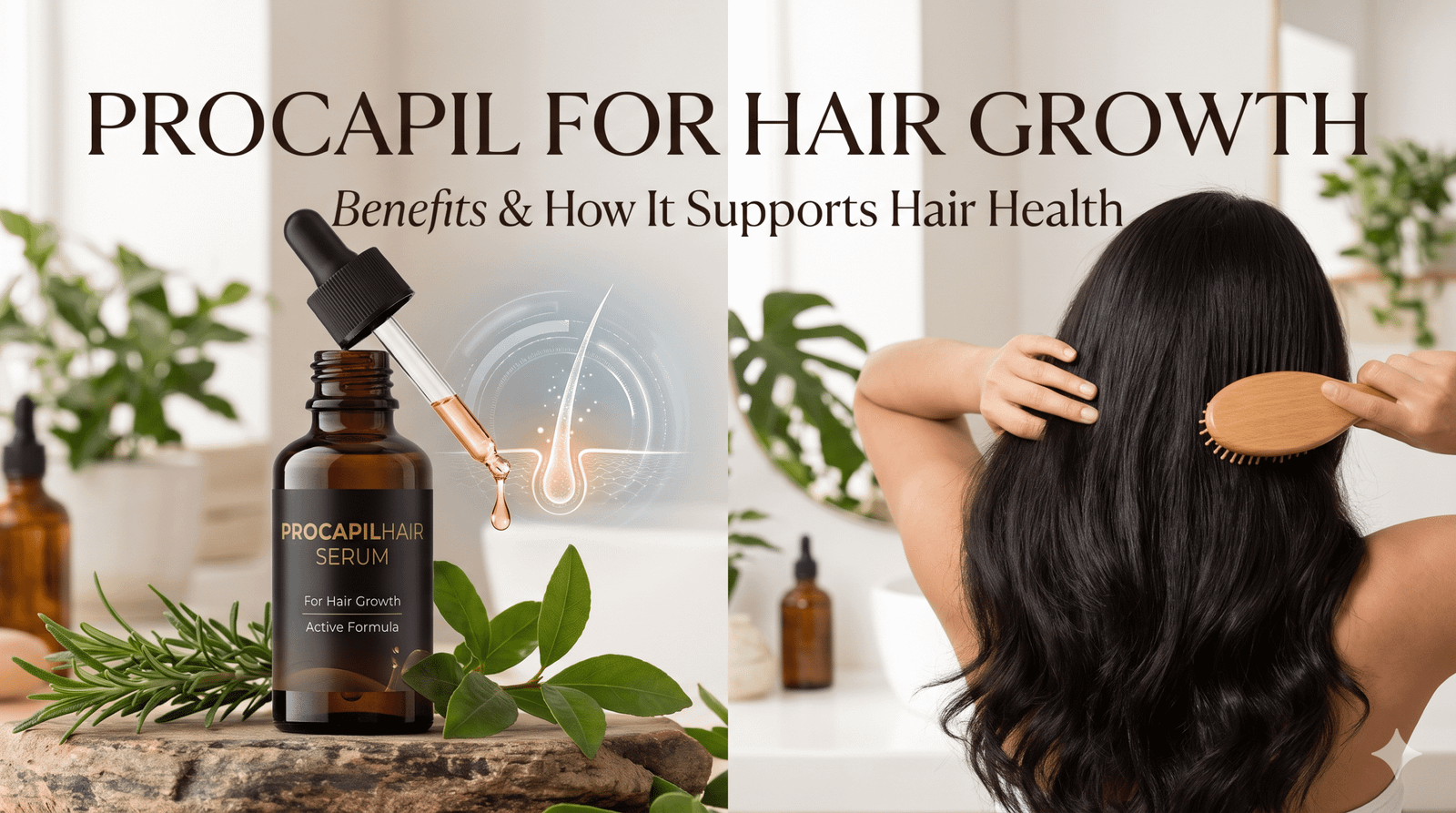
Hair fall, thinning hair, weak roots, and reduced hair density are common concerns affecting both men and women. Factors such as genetics, hormonal changes, stress, nutritional deficiencies, scalp conditions, and environmental damage can influence hair growth and overall hair health. While maintaining a healthy lifestyle and following a consistent hair care routine are essential, choosing the right hair care ingredients can also help support stronger-looking, healthier hair. One ingredient gaining attention in modern hair care formulations is Procapil. Known for its role in supporting hair follicle health, Procapil is commonly incorporated into anti-hair fall shampoos, hair serums, and scalp treatments. It is designed to help strengthen the hair anchoring system, support scalp health, and improve the appearance of hair density.
In this comprehensive guide, we will explore what Procapil is, how it works, its benefits for hair growth, how to use it, and why it has become a popular ingredient in hair care products.
What Is Procapil?
Procapil is a cosmetic hair care ingredient developed to help reduce hair fall and support healthier-looking hair. It is a combination of three key components:
- Biotinoyl Tripeptide-1: A peptide derivative associated with supporting the hair follicle environment and strengthening the hair anchoring structure.
- Apigenin: A plant-derived flavonoid commonly obtained from botanical sources. It is used in cosmetic formulations to support scalp care.
- Oleanolic Acid: A naturally occurring compound found in plants, particularly known for its use in cosmetic formulations targeting scalp and hair health.
These ingredients work together in a formulation designed to support the scalp environment and improve the appearance of hair strength and density.
Procapil is primarily used in cosmetic hair care products formulated for people experiencing hair thinning, weak hair roots, and excessive hair shedding.
How Does Procapil Work for Hair Growth?
Understanding how Procapil works helps us understand why it is included in many anti-hair fall formulations.
Healthy hair growth depends on several factors, including the condition of the scalp, the hair follicle environment, and the natural hair growth cycle.
Procapil is designed to support different aspects of hair health through its three components.
1. Supports Hair Follicle Health
Hair follicles are small structures within the scalp responsible for producing individual hair strands. Their condition plays an important role in determining hair thickness, strength, and growth.
Biotinoyl Tripeptide-1 is included in Procapil formulations to support the hair anchoring system. A healthier follicle environment can help maintain stronger-looking hair.
2. Helps Support the Hair Anchoring Structure
Hair shedding can occur when individual strands become weakly anchored within their follicles.
Procapil is formulated to support the structures associated with hair anchoring. This makes it a popular ingredient in cosmetic products designed for people concerned about hair fall.
3. Supports Scalp Care
A healthy scalp provides an important foundation for healthy-looking hair.
Apigenin and oleanolic acid contribute to the formulation’s scalp-focused approach. Together, these ingredients are used in cosmetic products intended to support the scalp environment and maintain healthier-looking hair.
It is important to understand that Procapil is not a guaranteed treatment for hair loss. Its effectiveness depends on the formulation, individual hair condition, and underlying cause of hair fall.
Top 7 Benefits of Procapil for Hair Growth
Procapil offers several potential cosmetic benefits when incorporated into a well-formulated hair care routine.
1. Helps Reduce Hair Fall
One of the main reasons Procapil is used in anti-hair fall products is its focus on supporting the hair anchoring system.
Regular use of a suitable Procapil-based hair care product may help improve the appearance of hair strength and reduce breakage-related hair loss.
However, hair fall caused by medical conditions, hormonal imbalances, or nutritional deficiencies may require professional evaluation.
2. Supports Stronger Hair Roots
Weak hair roots can contribute to concerns about hair shedding and reduced hair density.
Biotinoyl Tripeptide-1 is included in Procapil to support the hair follicle environment and hair anchoring structures.
With consistent hair care, this may help maintain stronger-looking hair and improve the overall appearance of hair health.
3. Helps Improve the Appearance of Hair Density
Hair thinning can make the scalp more visible and reduce the appearance of overall hair volume.
Procapil is commonly used in formulations targeting hair thinning and reduced hair density.
By supporting the hair anchoring system, Procapil-based products may help maintain the appearance of fuller, healthier-looking hair.
4. Supports a Healthy Scalp Environment
The scalp plays a significant role in maintaining healthy hair.
Product buildup, dryness, excess oil, and irritation can affect scalp comfort and hair care results.
Procapil formulations combine botanical and peptide-derived ingredients that are designed to support scalp-focused hair care.
5. Helps Maintain Hair Strength
Hair strength depends on several factors, including the condition of the hair shaft, scalp health, and daily hair care habits.
Using suitable hair care products containing Procapil may complement a routine focused on maintaining stronger-looking hair.
For better results, we recommend combining scalp care with gentle cleansing, conditioning, and avoiding excessive heat styling.
6. Suitable for Hair-Thinning Concerns
People experiencing gradual hair thinning often look for ingredients that can support their existing hair care routine.
Procapil is used in cosmetic formulations developed for thinning hair and hair fall concerns.
It can be incorporated into shampoos and leave-on scalp serums, depending on the product formulation.
7. Supports Overall Hair Care Results
Healthy hair requires more than a single ingredient.
Procapil can be part of a comprehensive hair care routine that includes proper cleansing, scalp maintenance, conditioning, balanced nutrition, and gentle styling practices.
Its role is to complement these habits rather than replace them.
Procapil vs Other Hair Growth Ingredients
Different ingredients are used in hair care products to address hair fall, thinning, breakage, and scalp health.
Understanding their differences can help us choose products according to our individual hair concerns.
| Ingredient | Primary Hair Care Purpose |
|---|---|
| Procapil | Supports hair anchoring and scalp-focused hair care |
| Biotin | Supports normal hair health when dietary intake is inadequate |
| Caffeine | Used in scalp care formulations targeting hair thinning |
| Redensyl | Cosmetic ingredient used in hair density-focused products |
| Peptides | Used to support hair and scalp care formulations |
| Niacinamide | Supports scalp skin barrier and skin conditioning |
| Keratin | Helps improve the appearance and feel of damaged hair |
Procapil is different from conventional conditioning ingredients because its formulation specifically targets the hair follicle environment and anchoring structures.
It is also important to distinguish cosmetic ingredients from clinically established hair loss treatments. Not all ingredients have the same level of scientific evidence.
How to Use Procapil for Better Hair Care Results
Using Procapil correctly is important when incorporating it into a regular hair care routine.
The method of application depends on whether the ingredient is included in a shampoo, serum, or other scalp treatment.
Step 1: Cleanse Your Scalp
Start with a gentle shampoo suitable for your scalp type.
Cleansing helps remove excess oil, dirt, sweat, and product buildup. A clean scalp also allows leave-on scalp products to be applied more comfortably.
Step 2: Apply Procapil Hair Serum
If you are using a Procapil-based leave-on serum, follow the product’s instructions.
- Part your hair into sections.
- Apply the recommended quantity directly to the scalp.
- Focus on areas where hair thinning is noticeable.
- Massage gently using your fingertips.
- Leave the product on as directed.
Avoid applying excessive quantities, as using more product does not necessarily improve results.
Step 3: Follow a Consistent Routine
Consistency is important when using cosmetic hair care products.
Follow the manufacturer’s recommended frequency and avoid frequently switching between multiple treatments.
Step 4: Maintain Healthy Hair Habits
Support your hair care routine with:
- A balanced diet containing adequate protein.
- Sufficient iron, zinc, and other essential nutrients.
- Gentle hair washing and drying practices.
- Reduced exposure to excessive heat.
- Avoiding tight hairstyles that pull on the roots.
- Proper scalp hygiene.
These habits help maintain overall hair health.
Procapil Shampoo vs Procapil Hair Serum: Which Is Better?
Both Procapil shampoo and Procapil hair serum can be included in an anti-hair fall routine, but they serve different purposes.
Procapil Shampoo
Procapil shampoo is designed to cleanse the scalp and hair while delivering the ingredients included in its formulation.
Potential benefits include:
- Cleansing excess oil and impurities.
- Supporting scalp hygiene.
- Complementing an anti-hair fall routine.
- Helping maintain clean and manageable hair.
Since shampoo is rinsed off, the contact time with the scalp is relatively limited.
Procapil Hair Serum
A leave-on hair serum is designed to remain on the scalp for a longer period.
Depending on its formulation, it may offer:
- Longer contact time with the scalp.
- Targeted application to thinning areas.
- Convenient daily scalp care.
- An additional step in an anti-hair fall routine.
Which should we choose?
For someone concerned about hair thinning, a suitable leave-on scalp serum may provide longer ingredient contact than a rinse-off shampoo. However, the effectiveness depends on the product’s concentration, formulation, and supporting evidence.
Who Can Benefit from Procapil?
Procapil-based cosmetic hair care products may be considered by people experiencing:
- Mild hair thinning.
- Weak-looking hair.
- Increased hair shedding.
- Reduced hair volume.
- Concerns about maintaining hair density.
- A desire to improve their existing scalp care routine.
Both men and women may use appropriately formulated Procapil products, provided they follow the product instructions.
However, sudden, severe, patchy, or persistent hair loss should be evaluated by a dermatologist to identify the underlying cause.
Are There Any Side Effects of Procapil?
Procapil is used as a cosmetic ingredient, but this does not mean every formulation is suitable for every individual.
Some people may experience sensitivity or irritation depending on the complete product formulation.
Possible reactions include:
- Scalp itching.
- Redness.
- Irritation.
- Dryness.
- Sensitivity to other ingredients in the product.
We recommend performing a patch test before using a new scalp product.
If irritation develops, discontinue use. People with existing scalp conditions should consult a dermatologist before introducing new treatments.
How Long Does Procapil Take to Show Results?
Hair growth is a gradual biological process, and results cannot be expected overnight.
The time required to notice changes depends on several factors:
- The underlying cause of hair fall.
- The individual’s hair growth cycle.
- The product formulation.
- Application frequency.
- Overall scalp and hair health.
- Lifestyle and nutritional factors.
Some users may notice improvements in hair manageability or reduced breakage sooner, while changes in hair density require more time and cannot be guaranteed.
We recommend following the manufacturer’s usage instructions and evaluating results consistently rather than expecting immediate changes.
If hair fall continues or becomes worse, professional assessment is advisable.
Tips to Improve Hair Health Alongside Procapil
A good hair care routine should focus on both the scalp and hair strands.
Here are some practical habits that can complement Procapil-based hair care.
1. Eat a Protein-Rich Diet
Hair is primarily composed of a protein called keratin.
Include foods such as eggs, lentils, milk, nuts, seeds, fish, and other protein-rich options in your diet.
2. Avoid Excessive Heat Styling
Frequent use of straighteners, curling irons, and blow dryers at high temperatures can weaken the hair shaft and increase breakage.
Use heat protection products and moderate temperatures whenever possible.
3. Maintain Scalp Hygiene
Wash your hair according to your scalp type and activity level.
People with oily scalps may need more frequent cleansing, while dry scalps may benefit from gentler cleansing products.
4. Avoid Tight Hairstyles
Tight ponytails, buns, and braids can create continuous tension on hair roots.
Over time, repeated pulling may contribute to traction alopecia.
5. Manage Stress
Chronic stress can contribute to certain types of hair shedding.
Regular exercise, sufficient sleep, relaxation, and healthy daily habits can support overall well-being.
6. Avoid Unnecessary Chemical Treatments
Frequent bleaching, colouring, and chemical straightening may weaken hair strands.
Maintain sufficient gaps between chemical treatments and follow appropriate aftercare routines.
Frequently Asked Questions About Procapil for Hair Growth
1. What is Procapil used for?
Procapil is a cosmetic ingredient used in hair care products formulated to support the hair anchoring system, scalp care, and the appearance of hair density. It is commonly included in anti-hair fall shampoos and scalp serums.
2. Does Procapil help with hair growth?
Procapil is designed to support the hair follicle environment and hair anchoring structures. It may complement a hair care routine for people concerned about thinning hair. However, strong clinical evidence demonstrating that Procapil independently stimulates hair regrowth remains limited.
3. Can we use Procapil every day?
Daily use depends on the specific product formulation. Some leave-on serums may be designed for daily application, while shampoos have different usage instructions. Always follow the manufacturer’s recommendations.
4. Is Procapil suitable for both men and women?
Yes. Procapil-based cosmetic products are generally formulated for use by both men and women. Individual suitability depends on the complete formulation and scalp sensitivity.
5. Can Procapil stop hair fall permanently?
No cosmetic ingredient can guarantee permanent prevention of hair fall. Hair loss may result from genetics, hormonal changes, nutritional deficiencies, stress, or medical conditions. Identifying and addressing the underlying cause is important.
6. Can Procapil be used with other hair care ingredients?
Procapil can be included in hair care routines alongside ingredients such as niacinamide, caffeine, peptides, and conditioning agents. However, the suitability depends on the complete formulation and individual scalp tolerance.
7. Is Procapil better than biotin?
Procapil and biotin serve different purposes. Procapil is a cosmetic complex used in scalp and hair anchoring-focused formulations, whereas biotin is a vitamin essential for normal body functions. Biotin supplementation is particularly relevant when a deficiency exists.
8. Does Procapil work for genetic hair loss?
Procapil should not be considered a proven treatment for genetic hair loss. Androgenetic alopecia requires an appropriate diagnosis and may benefit from clinically established treatments recommended by a dermatologist.
9. Can Procapil be used on an oily scalp?
Yes, appropriately formulated Procapil products may be used on oily scalps. Choose a lightweight formulation and maintain regular scalp cleansing.
10. Can Procapil be used on damaged hair?
Procapil-based products may be incorporated into a routine for people experiencing hair thinning. However, damage to the hair shaft requires conditioning, protective treatments, and gentle hair care practices.
Conclusion: Is Procapil Worth Adding to Your Hair Care Routine?
Procapil has become a popular ingredient in modern anti-hair fall formulations because of its combination of Biotinoyl Tripeptide-1, Apigenin, and Oleanolic Acid. These components are designed to support the hair anchoring system and contribute to scalp-focused hair care.
Whether we are experiencing mild hair thinning, weak-looking hair, or concerns about maintaining hair density, choosing the right hair care products is an important part of maintaining healthy-looking hair.
However, the best approach is to combine suitable hair care products with a balanced diet, proper scalp hygiene, gentle styling habits, and professional guidance when necessary.
Healthy hair starts with consistent care, the right ingredients, and an understanding of what your hair truly needs.
Discover Better Hair Care with Dokmai London
At Dokmai London, we believe that healthy-looking hair begins with a well-maintained scalp and a consistent hair care routine.
Explore hair care solutions designed to complement your daily routine, including Procapil Anti Hair Fall Shampoo, Procapil Hair Serum, Biotin & Collagen Shampoo, and other specialised hair care products.
Choose a routine that supports your hair care goals and gives your hair the attention it deserves.
Dokmai London – Elevate Your Hair Care, Elevate Your Confidence.