
Best Shampoo for Hair Fall: How to Choose the Right Shampoo for Stronger, Healthier-Looking Hair
-
Dokmai London
- Posted on
- 0 comments
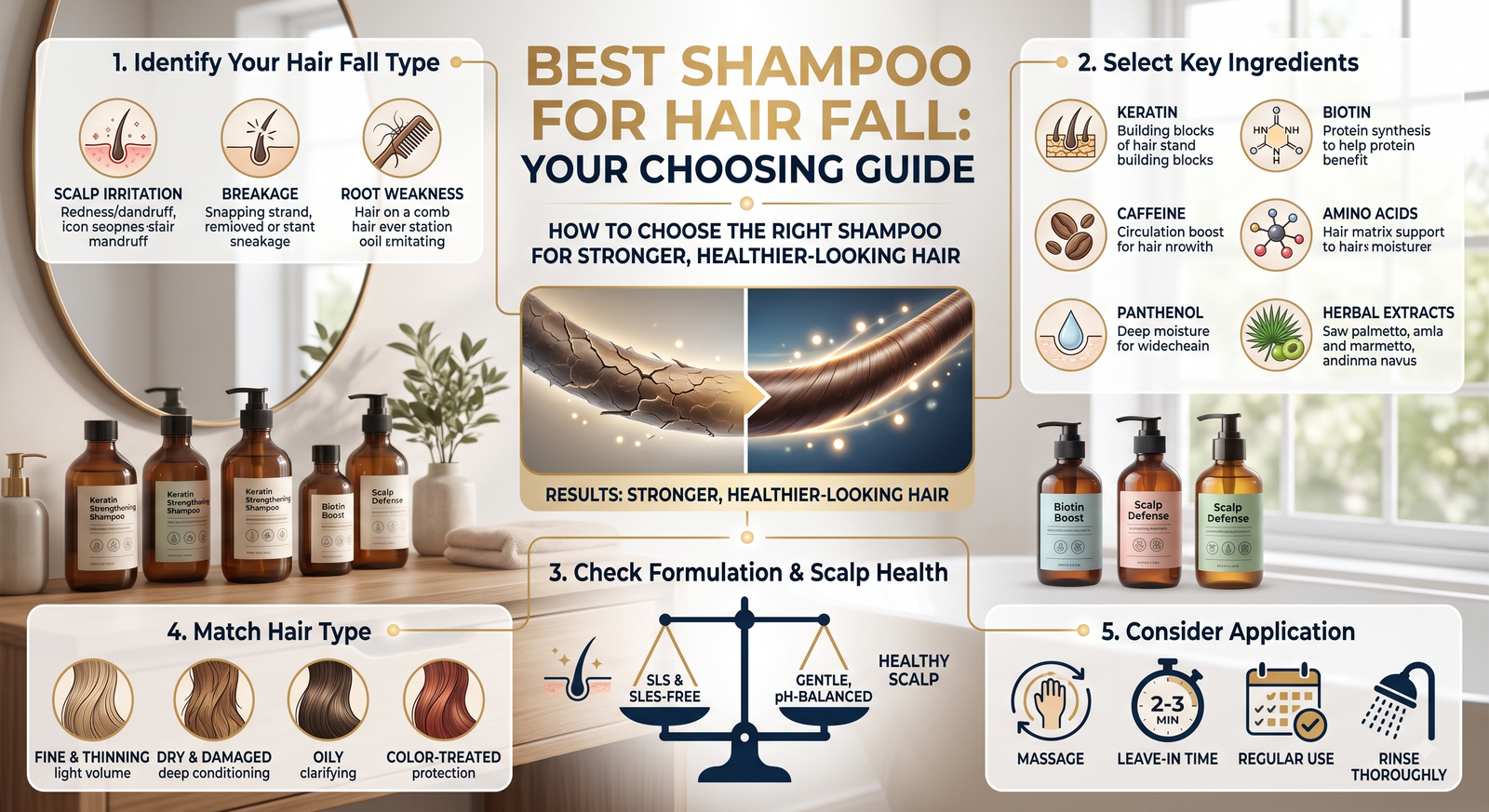
Best Shampoo for Hair Fall: How to Choose the Right Shampoo for Stronger, Healthier-Looking Hair
Hair fall can be frustrating, especially when we notice more strands on our pillow, comb, shower drain, or clothing. One of the first products many people consider changing is their shampoo. But choosing the best shampoo for hair fall is not simply about finding a product labeled “anti-hair fall.”
Hair shedding can have many different causes, including genetics, hormonal changes, nutritional deficiencies, stress, illness, scalp conditions, harsh chemical treatments, tight hairstyles, and excessive heat. Shampoo primarily works on the scalp and hair fiber, so the right product can support a healthy scalp environment and reduce problems such as buildup, dryness, or breakage—but it cannot treat every cause of hair loss.
The goal should be to choose a shampoo that suits our scalp type, hair texture, and specific hair concerns while following a consistent and gentle hair-care routine.
What Is the Best Shampoo for Hair Fall?
There is no single shampoo that is best for everyone experiencing hair fall.
The ideal shampoo depends on whether the problem is primarily:
- Hair shedding from the root
- Hair breakage
- Dry or damaged hair
- Oily scalp
- Dandruff or scalp flaking
- Product buildup
- Sensitive or irritated scalp
- Chemically treated hair
For example, someone with an oily scalp may need a different shampoo from someone with dry, brittle, chemically treated hair.
Therefore, instead of choosing a shampoo solely based on marketing claims, we should first understand why the hair appears to be falling.
Hair Fall vs Hair Breakage: Understanding the Difference
This distinction is extremely important.
Hair Fall or Shedding
Hair shedding occurs when individual hairs naturally leave the scalp. Increased shedding can happen for many reasons and may require professional evaluation if it is persistent or significant.
Hair Breakage
Breakage happens when the hair shaft snaps before reaching its normal shedding stage.
Common contributors include:
- Excessive heat styling
- Bleaching
- Frequent coloring
- Chemical treatments
- Rough brushing
- Tight hairstyles
- Dryness
- Mechanical friction
A strengthening and conditioning shampoo may help improve the feel and manageability of damaged hair, but it cannot reverse already broken hair.
How Does Shampoo Affect Hair Health?
Shampoo’s primary purpose is to cleanse the scalp and hair.
It helps remove:
- Excess oil
- Sweat
- Dirt
- Dead skin cells
- Styling-product residue
- Environmental pollutants
Keeping the scalp clean can support a comfortable and healthy scalp environment.
However, shampoo is usually rinsed away relatively quickly, meaning it should not be viewed as equivalent to a leave-on scalp treatment or medical treatment for hair loss.
How to Choose the Best Shampoo for Hair Fall
1. Start With Your Scalp Type
Understanding whether the scalp is oily, dry, normal, or sensitive is one of the easiest ways to narrow down shampoo choices.
Oily Scalp
An oily scalp may benefit from a shampoo that effectively removes excess sebum and buildup without leaving the scalp feeling excessively stripped.
Dry Scalp
A dry scalp may require a gentler, moisturizing cleansing formula.
Sensitive Scalp
People with sensitive scalps may prefer simpler formulations and should avoid products that consistently cause burning, itching, or irritation.
2. Look for Ingredients That Match Your Concern
There is no single ingredient that works for every type of hair fall.
Depending on the concern, shampoo formulations may contain ingredients intended to support cleansing, conditioning, scalp comfort, or dandruff control.
For example, shampoos designed for dandruff may contain specific anti-dandruff active ingredients. A shampoo for damaged hair may focus more on conditioning and reducing friction during washing.
The ingredient list and product instructions should always be considered together.
3. Avoid Choosing a Shampoo Solely Because It Says “Anti-Hair Fall”
Marketing terminology can be confusing.
“Anti-hair fall” may refer to reducing breakage, improving hair strength, supporting scalp care, or simply positioning the product for people concerned about shedding.
We should therefore look beyond the label and determine what the shampoo is actually formulated to do.
4. Consider Your Hair Texture
Fine, thick, curly, straight, coarse, and chemically treated hair can all have different needs.
For example, very dry or curly hair may benefit from a more conditioning formula, while fine hair may become weighed down by heavy conditioning ingredients.
5. Choose a Shampoo That Does Not Irritate Your Scalp
If a shampoo consistently causes:
- Burning
- Itching
- Redness
- Excessive dryness
- Flaking
- Discomfort
we should stop using it and consider a different formulation.
A healthy hair-care routine should be comfortable and sustainable.
Best Shampoo Ingredients for Different Hair Concerns
Rather than searching for one “miracle” ingredient, we should match ingredients to the actual problem.
For Dandruff-Prone Scalp
Anti-dandruff shampoos may contain active ingredients specifically designed to manage dandruff and scalp flaking.
If dandruff is severe, persistent, or accompanied by significant inflammation, professional dermatological advice may be appropriate.
For Dry and Damaged Hair
Look for shampoos with conditioning ingredients that help improve softness and reduce friction during washing.
Ingredients commonly used in conditioning formulas may include various oils, proteins, humectants, and conditioning agents.
For Oily Scalp
A cleansing shampoo that effectively removes excess oil and buildup may be more suitable.
However, aggressive over-cleansing can leave some scalps dry or irritated, so balance is important.
For Chemically Treated Hair
Colored, bleached, keratin-treated, smoothened, or otherwise chemically processed hair may benefit from a gentle cleansing and conditioning routine designed to minimize unnecessary dryness.
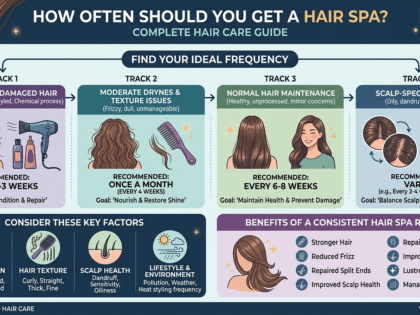
How Often Should We Shampoo Hair?
There is no universal washing schedule.
The ideal frequency depends on:
- Scalp oiliness
- Hair texture
- Physical activity
- Climate
- Product buildup
- Hairstyle
- Personal preference
Someone with an oily scalp may need to shampoo more frequently than someone with a dry scalp.
The key is to keep the scalp clean without causing unnecessary dryness or irritation.
How to Shampoo Correctly to Reduce Hair Breakage
Even the best shampoo can be used incorrectly.
Step 1: Wet the Hair Thoroughly
Use comfortable-temperature water to completely saturate the scalp and hair.
Step 2: Apply Shampoo Primarily to the Scalp
The scalp is where oil, sweat, and buildup accumulate. Gently massage the shampoo into the scalp using the fingertips.
Avoid aggressive scratching with fingernails.
Step 3: Let the Lather Clean the Lengths
When rinsing, the shampoo naturally travels through the lengths. Excessive rubbing of the hair ends is generally unnecessary.
Step 4: Rinse Thoroughly
Make sure no significant product residue remains on the scalp.
Step 5: Condition the Lengths
Apply conditioner mainly to the mid-lengths and ends, particularly if the hair is dry or damaged.
Step 6: Dry Gently
Avoid aggressive towel rubbing. Gently squeeze out excess water and handle wet hair carefully because wet hair can be more vulnerable to mechanical damage.
Does Shampoo Cause Hair Fall?
Shampooing itself does not necessarily cause abnormal hair loss.
In fact, washing can make naturally shed hairs appear all at once because those loose hairs are removed during the shower.
However, a shampoo can cause irritation or excessive dryness in some individuals, and rough washing techniques can contribute to mechanical breakage.
If we suddenly notice significant changes in shedding, thinning, bald patches, scalp inflammation, or persistent hair loss, the underlying cause should be evaluated rather than simply changing shampoos repeatedly.
Best Shampoo for Hair Fall in Men
Men can experience hair shedding for many reasons, including hereditary pattern hair loss, scalp conditions, stress, nutritional factors, and other causes.
A general anti-hair-fall shampoo may support scalp cleansing and hair care, but shampoo alone cannot treat every form of male pattern hair loss.
If the hairline is receding, the crown is becoming thinner, or hair density is progressively decreasing, consultation with a dermatologist can help identify the cause and discuss evidence-based treatment options.
Best Shampoo for Hair Fall in Women
Women can also experience increased hair shedding due to multiple factors, including hormonal changes, nutritional issues, stress, illness, postpartum changes, and genetic conditions.
The appropriate shampoo should therefore be selected based on the scalp and hair condition, while persistent or significant shedding may require professional assessment.
Can Shampoo Make Hair Stronger?
A shampoo can improve the cosmetic condition and manageability of the hair, particularly when it contains suitable cleansing and conditioning ingredients.
However, it is important to understand the difference between making hair feel stronger and changing the biological process of hair growth.
A good shampoo can help reduce dryness and friction and support better hair-care habits, but it should not be considered a guaranteed treatment for hair loss.
Common Shampoo Mistakes That Can Increase Hair Damage
Washing With Very Hot Water
Very hot water can contribute to dryness and discomfort for some people.
Scratching the Scalp
Using fingernails aggressively can irritate the scalp.
Rubbing Hair Lengths Excessively
Wet hair can be more vulnerable to mechanical damage.
Skipping Conditioner
Dry and damaged hair may become harder to detangle without conditioning.
Changing Products Constantly
Switching shampoos repeatedly makes it difficult to determine which products actually suit the scalp.
Using Too Much Shampoo
More shampoo does not automatically mean better cleansing. An appropriate amount based on hair density and product instructions is generally sufficient.
How to Build a Hair-Fall-Friendly Hair-Care Routine
A simple routine can make a significant difference in reducing unnecessary hair damage.
Cleanse → Condition → Detangle Gently → Protect → Treat the Cause
Use a shampoo suited to the scalp, condition the lengths, minimize excessive heat, avoid unnecessarily tight hairstyles, and handle wet hair gently.
If hair loss persists, the most important step is identifying its underlying cause.
When Should We See a Dermatologist for Hair Fall?
We should consider professional evaluation if we experience:
- Sudden or excessive hair shedding
- Noticeable thinning
- Receding hairline
- Bald patches
- Persistent scalp itching or inflammation
- Significant dandruff
- Hair loss accompanied by other symptoms
- Hair loss that continues despite improving hair care
A dermatologist can assess the scalp and hair and determine whether further investigation or treatment is needed.
Frequently Asked Questions
Which shampoo is best for hair fall?
There is no universal best shampoo for hair fall. The ideal choice depends on whether we are dealing with shedding, breakage, dandruff, oily scalp, dryness, or chemical damage.
Can shampoo stop hair fall permanently?
No shampoo can guarantee permanent prevention of hair loss. Shampoo primarily cleanses and conditions the scalp and hair. Persistent hair loss may have an underlying cause that requires professional evaluation.
Is anti-hair-fall shampoo effective?
An anti-hair-fall shampoo may help improve scalp care, reduce breakage, or improve the cosmetic condition of the hair depending on its formulation. However, its effectiveness depends on the cause of the hair problem.
Should we shampoo daily if we have hair fall?
Daily shampooing is not automatically necessary or harmful. Washing frequency should be based on scalp oiliness, hair type, activity level, climate, and personal tolerance.
Which shampoo is best for dry and falling hair?
For dry hair, a gentle shampoo with conditioning properties may be preferable. If significant shedding is occurring at the same time, we should also consider whether another underlying factor is contributing to the problem.
Does conditioner increase hair fall?
Conditioner is primarily applied to the hair lengths and can improve softness and detangling. Used correctly, it can help reduce mechanical stress during brushing rather than causing hair loss.
Can changing shampoo reduce hair breakage?
If the previous shampoo was contributing to excessive dryness or irritation, changing to a more suitable formula may improve the hair’s condition. However, existing split ends and broken hair cannot be permanently repaired by shampoo.
Final Verdict: Choosing the Best Shampoo for Hair Fall
The best shampoo for hair fall is not necessarily the one with the strongest “anti-hair fall” claim. It is the shampoo that appropriately matches our scalp, hair texture, and specific concern while supporting gentle, consistent hair care.
For oily scalps, effective but balanced cleansing can be important. Dry or damaged hair may benefit from gentler, conditioning formulas. Dandruff-prone scalps may require shampoos containing appropriate anti-dandruff actives.
Most importantly, we should distinguish hair shedding from hair breakage. Shampoo can support scalp hygiene and improve the cosmetic condition of the hair, but persistent or significant hair loss may require professional diagnosis.
A healthy hair routine combines the right shampoo with regular conditioning, gentle handling, reduced chemical and heat damage, balanced nutrition, and appropriate professional care. When we choose products based on our actual hair and scalp needs rather than marketing labels, we have a much better chance of maintaining stronger, healthier-looking, manageable hair.