
Hair Mask Benefits for Damaged Hair: The Complete Guide to Healthier, Stronger Hair
-
Dokmai London
- Posted on
- 0 comments
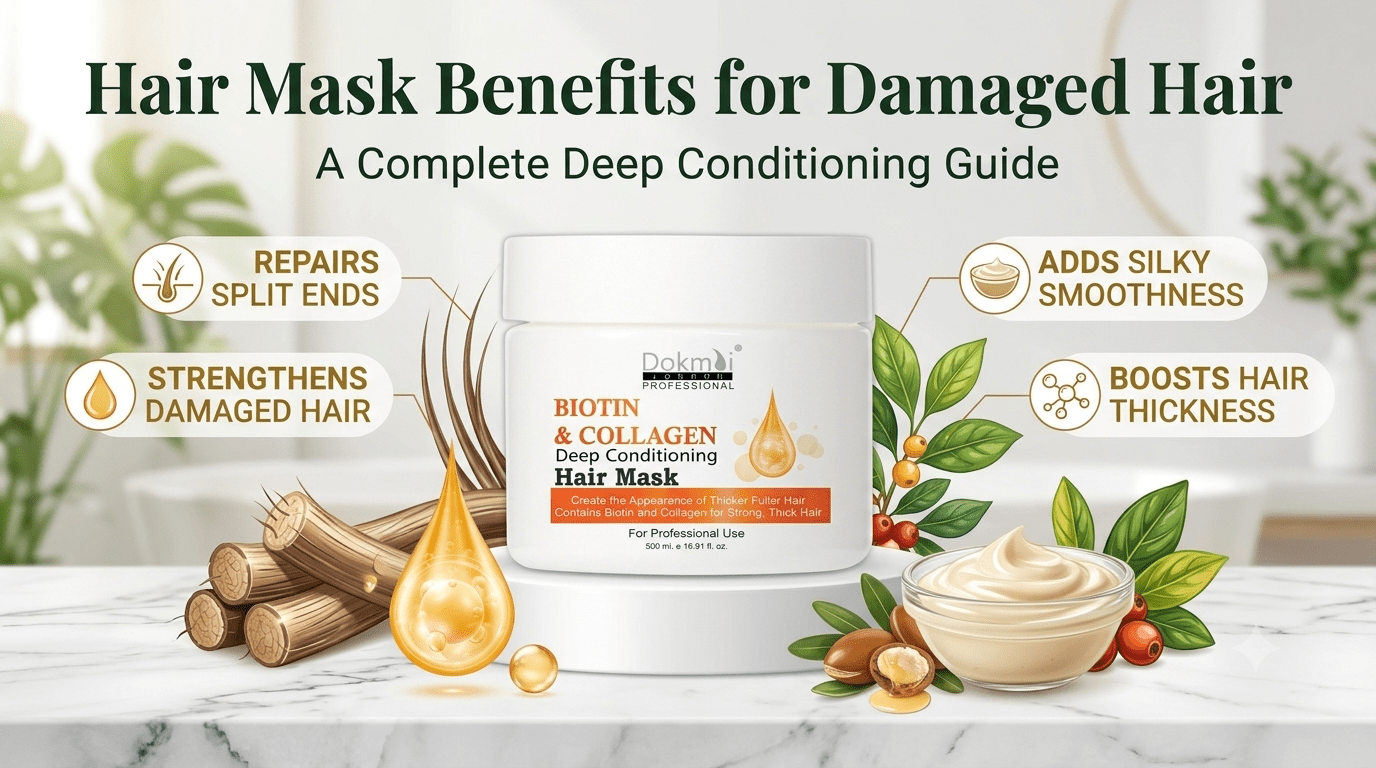
Healthy, shiny, and smooth hair is often a sign of proper care and nourishment. However, frequent heat styling, coloring, chemical treatments, pollution, and daily exposure to environmental stress can leave hair dry, brittle, frizzy, and prone to breakage. If your hair feels rough or lacks shine, adding a hair mask to your routine can make a noticeable difference.
A hair mask is an intensive conditioning treatment designed to deeply nourish the hair, improve hydration, and reduce breakage. While it won’t repair permanently damaged hair or reverse split ends, it can improve the appearance, softness, and manageability of damaged hair while helping prevent further damage.
In this complete guide, you’ll learn the benefits of hair masks for damaged hair, the best ingredients to look for, how to use a hair mask correctly, and expert tips to keep your hair healthy and strong.
What Is a Hair Mask?
A hair mask is a deep-conditioning treatment formulated with nourishing ingredients that remain on the hair longer than a regular conditioner.
Unlike a daily conditioner, a hair mask provides intensive moisture and care by coating and conditioning the hair shaft.
Hair masks are especially beneficial for:
- Dry hair
- Frizzy hair
- Color-treated hair
- Chemically treated hair
- Heat-damaged hair
- Curly hair
- Brittle hair
What Causes Hair Damage?
Hair damage can occur for many reasons.
Common causes include:
- Frequent use of hair dryers
- Hair straighteners and curling irons
- Bleaching
- Hair coloring
- Chemical treatments
- UV exposure
- Pollution
- Overwashing
- Harsh shampoos
- Tight hairstyles
- Poor nutrition
Recognizing these factors can help you protect your hair from future damage.
Top Benefits of Hair Masks for Damaged Hair
1. Deeply Hydrates Dry Hair
One of the biggest benefits of a hair mask is intense hydration.
Hair masks help replenish moisture, making hair feel:
- Softer
- Smoother
- More manageable
- Less dry
Hydrated hair is also less likely to break during brushing or styling.
2. Reduces Hair Breakage
Dry and damaged hair tends to snap easily.
Regular use of a nourishing hair mask can help improve the flexibility of the hair shaft, reducing breakage caused by brushing and styling.
3. Improves Hair Shine
Healthy hair reflects light more effectively.
A hair mask smooths the outer cuticle, helping hair appear shinier and healthier.
4. Controls Frizz
Frizz is often caused by dryness and a rough hair cuticle.
Hair masks help smooth the hair surface, making it:
- Easier to style
- Softer
- More manageable
- Less prone to flyaways
5. Makes Hair Easier to Detangle
Damaged hair often tangles easily.
Using a hair mask regularly can reduce knots and make combing easier, lowering the risk of mechanical breakage.
6. Strengthens the Hair Shaft
Hair masks rich in proteins and nourishing oils help reinforce the hair shaft, improving its resistance to everyday stress.
While they don’t permanently repair damaged hair, they can temporarily strengthen and protect it.
7. Supports Chemically Treated Hair
Hair coloring, bleaching, keratin treatments, and other chemical processes can leave hair dry and fragile.
A hair mask helps restore moisture and improve softness, making chemically treated hair look healthier.
8. Enhances Hair Smoothness
Hair masks coat the hair shaft with conditioning ingredients that help smooth rough cuticles.
The result is hair that feels:
- Silky
- Soft
- Easier to manage
Best Ingredients in Hair Masks
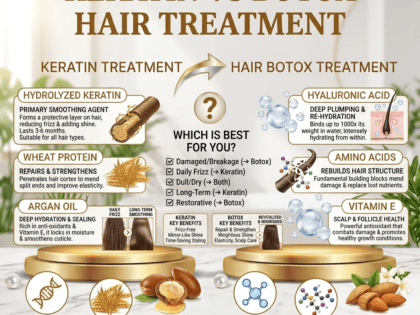
Keratin
Keratin is the natural protein found in hair.
Benefits include:
- Strengthening hair
- Improving smoothness
- Reducing breakage
- Enhancing shine
Argan Oil
Rich in essential fatty acids and Vitamin E.
Benefits:
- Deep nourishment
- Frizz control
- Improved softness
- Natural shine
Shea Butter
Shea Butter provides rich moisture for dry hair.
It helps:
- Reduce dryness
- Improve softness
- Protect against moisture loss
Coconut Oil
Coconut Oil is widely used for damaged hair.
Benefits include:
- Reduced protein loss
- Better hydration
- Improved softness
Aloe Vera
Aloe Vera helps soothe the scalp while providing lightweight hydration to the hair.
Biotin
Biotin supports healthy-looking hair as part of a balanced hair care routine and overall nutrition.
How to Use a Hair Mask Correctly
For the best results:
Step 1
Wash your hair with a gentle shampoo.
Step 2
Gently squeeze out excess water.
Step 3
Apply the hair mask from the mid-lengths to the ends. Avoid the scalp unless the product is specifically formulated for scalp use.
Step 4
Leave it on for 5–20 minutes, following the product instructions.
Step 5
Rinse thoroughly with lukewarm water.
Use a hair mask 1–2 times per week, depending on your hair’s condition.
Hair Mask vs Conditioner
| Hair Mask | Conditioner |
|---|---|
| Intensive treatment | Daily conditioning |
| Deep hydration | Surface hydration |
| Used weekly | Used after every shampoo |
| Longer application time | Quick rinse |
| Ideal for damaged hair | Suitable for everyday maintenance |
Both products complement each other and can be part of the same hair care routine.
Who Should Use a Hair Mask?
Hair masks are suitable for:
- Dry hair
- Frizzy hair
- Curly hair
- Color-treated hair
- Heat-damaged hair
- Chemically treated hair
- Long hair
- Hair prone to breakage
People with fine or oily hair may prefer lightweight masks to avoid weighing the hair down.
Lifestyle Tips for Healthy Hair
Healthy hair begins with healthy habits.
Eat a Protein-Rich Diet
Hair is primarily made of protein.
Include:
- Eggs
- Fish
- Lentils
- Beans
- Lean meats
Stay Hydrated
Drink enough water daily to support scalp and hair health.
Limit Heat Styling
Reduce the use of straighteners, curling irons, and blow dryers whenever possible.
Protect Hair from Sun Exposure
Wear a hat or use protective hair products during prolonged sun exposure.
Trim Split Ends Regularly
Trim your hair every 8–12 weeks to reduce split ends and maintain healthy-looking hair.
Common Mistakes to Avoid
Avoid these hair care mistakes:
- Using a hair mask too often
- Applying too much product
- Skipping conditioner entirely
- Washing with very hot water
- Brushing wet hair aggressively
- Using excessive heat styling
- Ignoring scalp health
Consistency is more important than using large amounts of product.
Frequently Asked Questions (FAQs)
How often should I use a hair mask?
Most people benefit from using a hair mask once or twice a week. Very dry or damaged hair may require more frequent use, depending on the product instructions.
Can a hair mask repair split ends?
No. Split ends cannot be permanently repaired. Hair masks improve the appearance and softness of damaged hair, but trimming is the only way to remove split ends.
Should I apply a hair mask to my scalp?
Most hair masks are intended for the mid-lengths and ends. Only apply to the scalp if the product is specifically designed for scalp use.
How long does it take to notice results?
Many people notice softer and smoother hair after the first few uses. Long-term improvements in manageability and reduced breakage typically require consistent use over several weeks.