
Nanoplastia vs Keratin Treatment: Which Hair Smoothening Is Better?
-
Dokmai London
- Posted on
- 0 comments
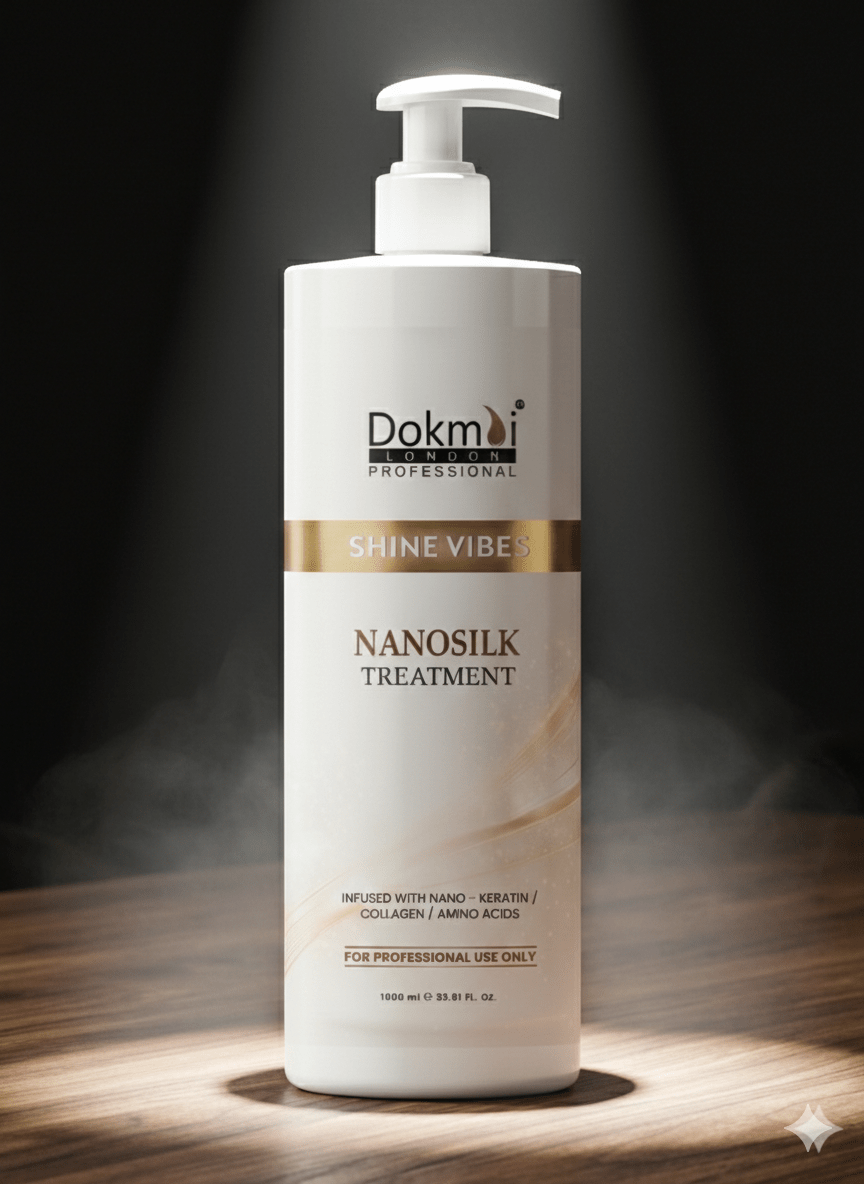
Hair smoothening treatments have become extremely popular among people who want frizz-free, shiny, and manageable hair. Among the most talked-about options today are Nanoplastia and Keratin Treatment. Both treatments promise smoother, healthier-looking hair, but they work differently and offer different results.
If you are confused about which one to choose, this guide will help you understand the difference between Nanoplastia and Keratin treatment, their benefits, process, and which option might be better for your hair type.
What Is Keratin Treatment?
Keratin treatment is a popular hair smoothening procedure that helps reduce frizz and add shine to the hair. The treatment works by applying a keratin-based formula to the hair and sealing it using a flat iron.
Keratin is a natural protein already present in hair. Over time, due to heat styling, pollution, chemical treatments, and poor hair care, hair loses this protein, which causes dryness, frizz, and damage.
Keratin treatment helps restore this protein layer, making hair:
- Smoother
- Shinier
- More manageable
- Less frizzy
The results of keratin treatment typically last 3 to 4 months, depending on hair care routine and products used.
What Is Nanoplastia Treatment?
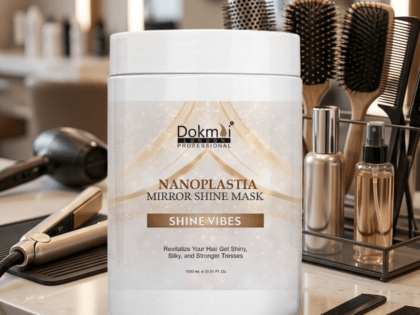
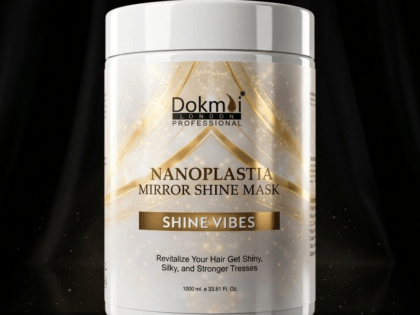
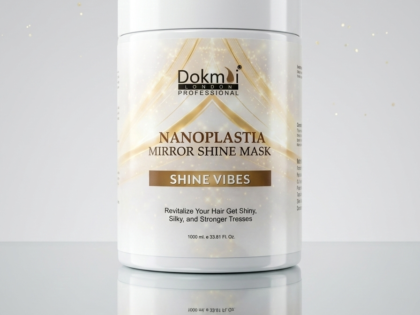
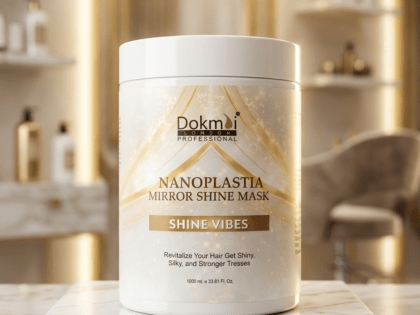
Nanoplastia is a new-generation hair repair and smoothening treatment that uses advanced nano-technology. The treatment contains nano-sized molecules of amino acids, proteins, collagen, and organic acids that penetrate deeply into the hair fibers.
Unlike traditional keratin treatments, Nanoplastia focuses on reconstructing the internal structure of the hair rather than just coating the hair surface.
Because of its deep repairing technology, Nanoplastia helps make hair:
- Smooth and silky
- Stronger
- Healthier
- Frizz-free
- Naturally shiny
The results usually last 4 to 6 months with proper aftercare.
Key Differences Between Nanoplastia and Keratin Treatment
1. Treatment Technology
Keratin Treatment
Keratin treatment mainly coats the hair with a protein layer that smoothens the outer cuticle and reduces frizz.
Nanoplastia Treatment
Nanoplastia uses nano-molecules that penetrate deep inside the hair cortex and repair the hair structure from within.
Because of this, Nanoplastia is often considered a more advanced hair repair treatment.
2. Ingredients Used
Keratin treatments often contain chemical ingredients such as formaldehyde or formaldehyde-releasing agents that help lock the keratin into the hair using heat.
Nanoplastia treatments are generally formaldehyde-free and use organic acids, amino acids, collagen, and natural proteins to smooth and repair the hair.
This makes Nanoplastia a safer option for many people.
3. Results and Hair Finish
Keratin treatment gives hair a smooth, glossy, and slightly straighter look, but it mainly focuses on reducing frizz.
Nanoplastia provides a more natural smooth finish with deep repair, making hair look healthier rather than overly flat.
Many people prefer Nanoplastia because it gives softer and more natural-looking results.
4. Longevity of Results
Keratin treatment results generally last 3–4 months.
Nanoplastia treatment can last 4–6 months, depending on hair care and product use.
This means Nanoplastia often offers longer-lasting results.
5. Hair Repair Benefits
Keratin treatments mostly improve the external appearance of the hair by coating it.
Nanoplastia works internally, repairing damaged hair fibers and improving hair strength over time.
That is why Nanoplastia is often recommended for damaged or chemically treated hair.
6. Suitability for Hair Types
Both treatments can work for different hair types, but their results may vary.
Keratin Treatment is good for:
- Frizzy hair
- Slightly wavy hair
- People who want smoother hair with volume
Nanoplastia is good for:
- Dry and damaged hair
- Frizzy hair
- Wavy or slightly curly hair
- Hair that needs deep repair and strengthening
Nanoplastia vs Keratin Treatment: Which One Is Better?
The answer depends on your hair condition and the results you want.
Choose Keratin Treatment if:
- You want quick frizz control
- Your hair is slightly wavy or frizzy
- You want smoother hair for a few months
Choose Nanoplastia Treatment if:
- Your hair is damaged or chemically treated
- You want deeper hair repair
- You want longer-lasting smoothness
- You prefer a treatment with fewer harsh chemicals
In most modern salons, Nanoplastia is becoming a preferred alternative to keratin treatment because of its advanced technology and healthier results.
Aftercare Tips for Both Treatments
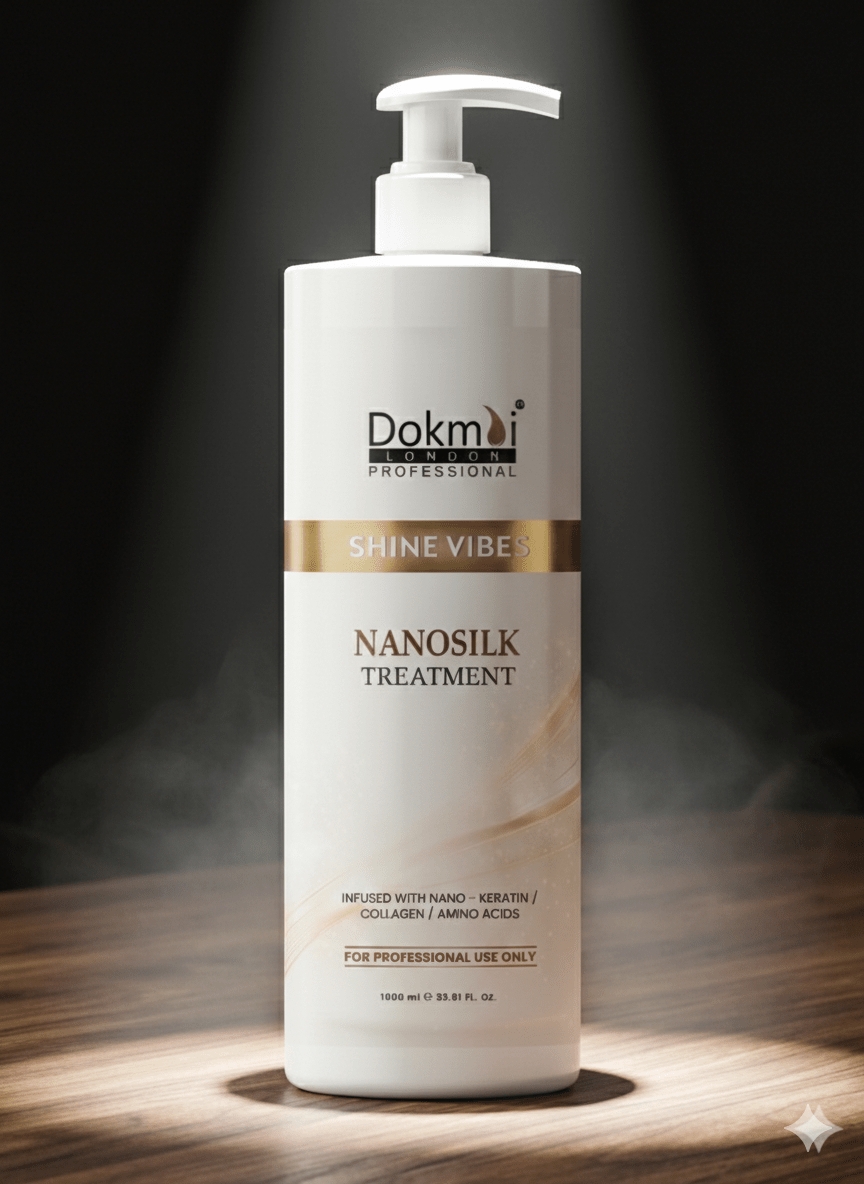
To maintain smooth and healthy hair after either treatment, proper aftercare is important.
Use Sulfate-Free Shampoo
Sulfate-free shampoos help maintain the treatment and prevent the hair from drying out.
Avoid Frequent Hair Washing
Try washing your hair 2–3 times a week to make the results last longer.
Use Hair Masks
Deep conditioning masks help maintain moisture and shine.
Limit Heat Styling
Excessive heat styling can weaken hair and reduce the treatment’s longevity.
Final Thoughts
Both Nanoplastia and Keratin treatments are effective solutions for reducing frizz and improving hair texture. However, they work in different ways.
Keratin treatment mainly smoothens the outer hair layer, while Nanoplastia penetrates deep into the hair fibers to repair and strengthen them.
If you want short-term smoothness, keratin treatment may be enough. But if you are looking for long-lasting smoothness, deep repair, and healthier hair, Nanoplastia is often the better choice.
Consulting a professional salon expert can help determine which treatment is best suited for your hair type and condition.