
How to Repair Dry and Damaged Hair at Home
-
Dokmai London
- Posted on
- 0 comments
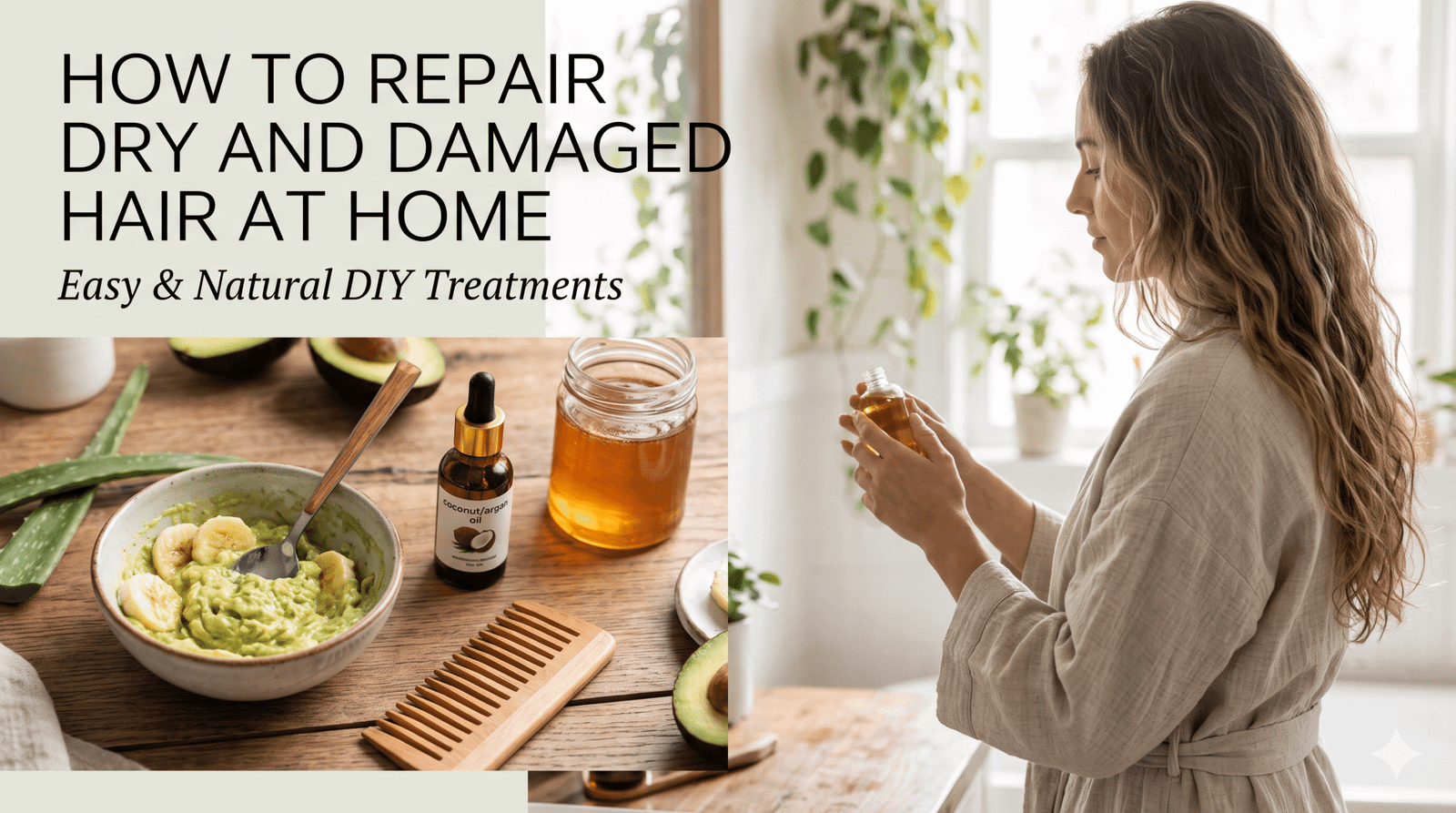
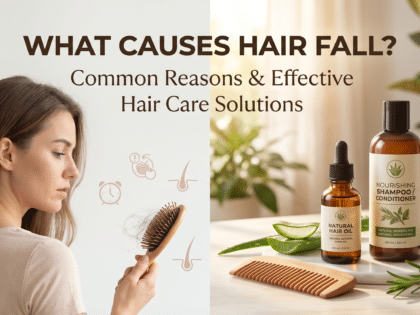
Dry, damaged hair is one of the most common hair concerns. Whether caused by excessive heat styling, chemical treatments, frequent colouring, environmental pollution, harsh shampoos, or improper hair care, damaged hair can lose its natural shine, softness, and strength. It may become rough, frizzy, brittle, tangled, and difficult to manage.
The good news is that with the right hair care routine, nourishing ingredients, and consistent maintenance, we can improve the appearance and manageability of dry and damaged hair at home.
Repairing damaged hair requires more than simply applying oil or using a conditioner occasionally. We need to understand what our hair needs, identify the habits causing damage, and follow a routine that supports moisture retention, reduces breakage, and protects the hair shaft.
In this comprehensive guide, we will explore how to repair dry and damaged hair at home, the best natural remedies, effective hair care products, and daily habits that can help restore softness, smoothness, and shine.
1. Understand the Causes of Dry and Damaged Hair
Before choosing a hair repair treatment, we should understand what causes hair to become dry and damaged.
Healthy hair has a protective outer layer called the cuticle. When this layer becomes damaged or lifted, the hair struggles to retain moisture and becomes more vulnerable to breakage.
Some common causes include:
- Excessive heat styling: Frequent use of straighteners, curling irons, and blow dryers can weaken hair fibres.
- Chemical treatments: Hair colouring, bleaching, smoothening, keratin treatments, and other chemical services can affect hair structure.
- Lack of moisture: Insufficient conditioning can leave hair rough, dry, and difficult to manage.
- Harsh shampoos: Some cleansing products can remove too much natural oil from the hair.
- Environmental exposure: Sunlight, pollution, dust, and humidity can contribute to dryness and frizz.
- Rough handling: Aggressive brushing, towel drying, and tight hairstyles can increase hair breakage.
- Poor nutrition: Inadequate protein, iron, and other essential nutrients may affect overall hair health.
Identifying the cause helps us select the right treatment instead of relying on products that may not address the actual problem.
2. Apply Coconut Oil to Nourish Dry Hair
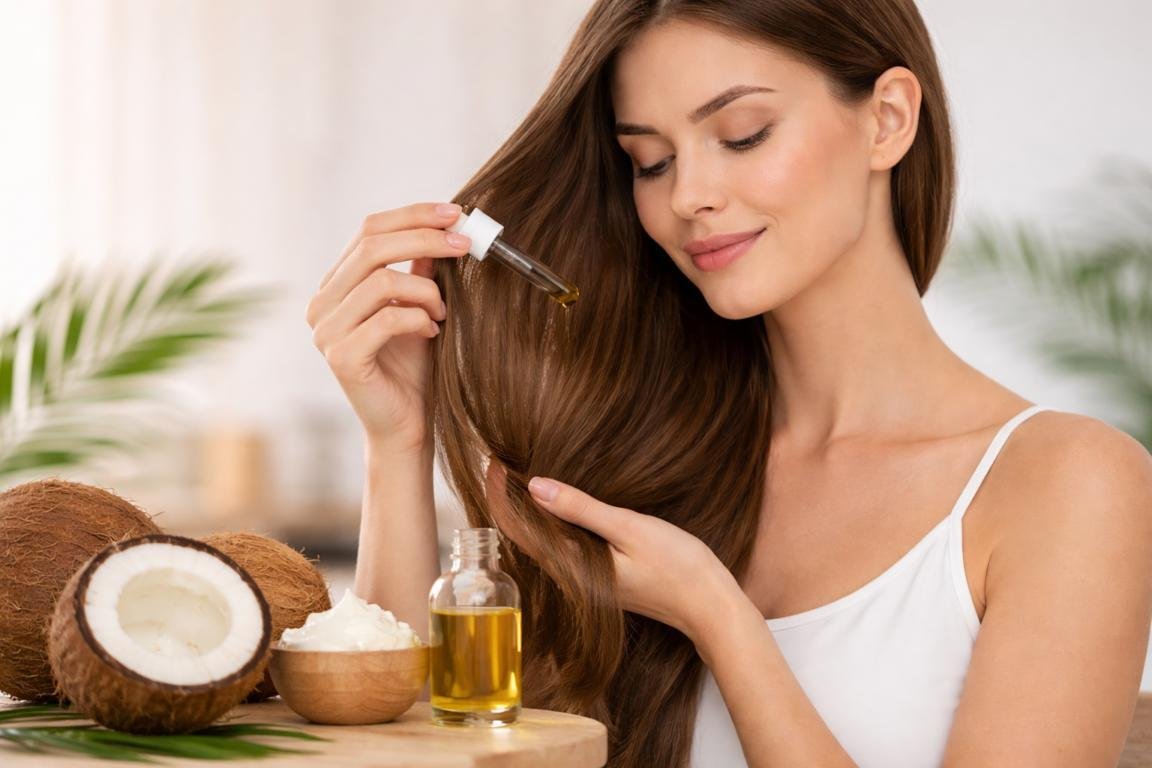
Coconut oil is a popular ingredient in traditional hair care routines. It contains fatty acids, particularly lauric acid, which can penetrate the hair shaft more effectively than some other oils.
Using coconut oil before shampooing may help reduce protein loss and improve hair softness.
How to use coconut oil:
- Take a small amount of pure coconut oil.
- Warm it slightly between your palms.
- Apply it to the lengths and ends of your hair.
- Gently distribute the oil using your fingers.
- Leave it on for approximately 30–60 minutes.
- Wash with a mild shampoo and follow with conditioner.
Benefits of coconut oil for hair:
- Helps reduce protein loss during washing.
- Improves hair softness.
- Reduces friction between hair strands.
- Helps manage dryness and roughness.
- Makes hair easier to detangle.
We should avoid applying excessive oil if the scalp is oily or prone to buildup.
3. Use a Deep Conditioning Hair Mask
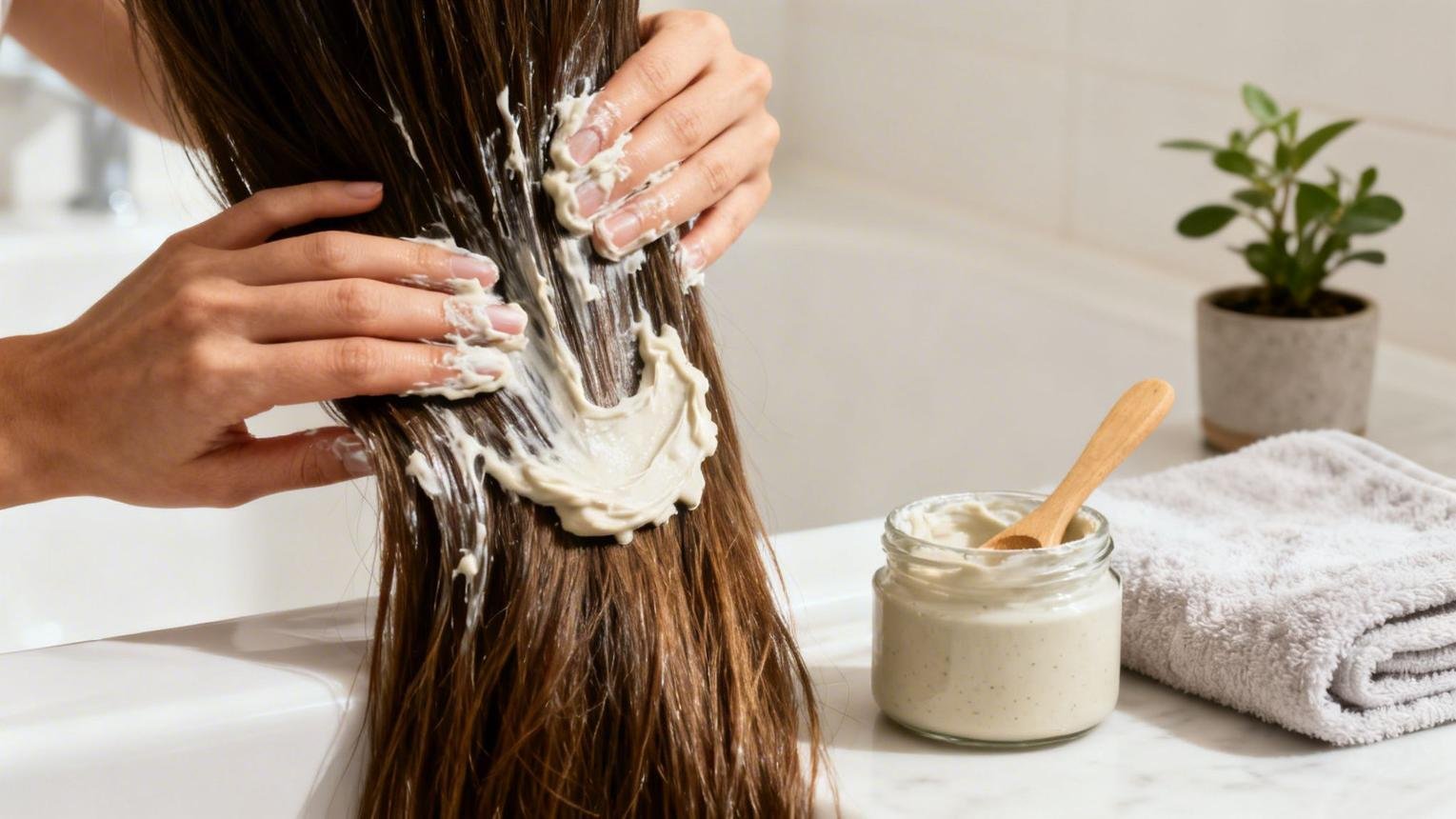
Deep conditioning is one of the most effective ways to improve the appearance and manageability of dry and damaged hair.
A regular conditioner helps smooth the hair surface, while a deep conditioning mask provides more intensive conditioning to dry lengths and ends.
Look for hair masks containing ingredients such as:
- Shea butter: Helps soften dry hair.
- Argan oil: Helps improve smoothness and shine.
- Coconut oil: Helps reduce protein loss.
- Panthenol: Helps condition and improve moisture retention.
- Hydrolysed proteins: Can temporarily strengthen and improve the feel of damaged hair.
- Ceramides: Help improve the condition of the hair surface.
How to use a hair mask:
- Wash your hair with a suitable shampoo.
- Remove excess water using a soft towel.
- Apply the hair mask to the mid-lengths and ends.
- Distribute the product evenly.
- Leave it on according to the manufacturer’s instructions.
- Rinse thoroughly with water.
Use a deep conditioning mask approximately once or twice a week, depending on your hair’s condition and product instructions.
4. Avoid Excessive Heat Styling
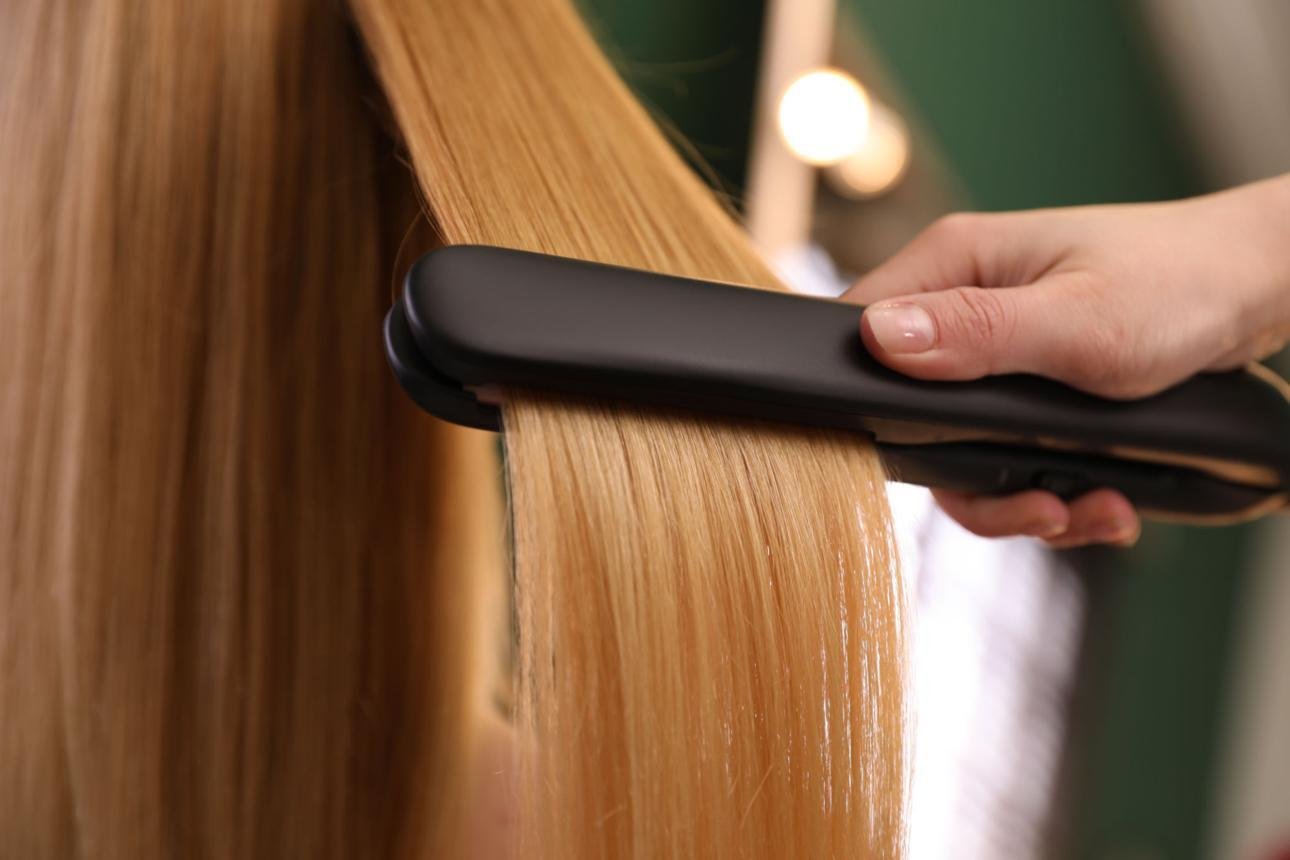
Frequent heat styling is a major contributor to dry, brittle, and damaged hair.
Straighteners, curling irons, and high-temperature blow dryers expose hair fibres to intense heat. Repeated exposure can weaken the hair structure, increase roughness, and contribute to split ends.
To protect your hair:
- Reduce the use of straighteners and curling irons.
- Allow hair to air-dry whenever practical.
- Always apply a suitable heat protectant before heat styling.
- Use the lowest effective temperature setting.
- Avoid repeatedly passing a straightener over the same section.
- Never use hot styling tools on wet hair unless the tool is specifically designed for wet hair.
Giving your hair regular breaks from heat styling can help prevent additional damage.
5. Choose a Sulphate-Free Shampoo for Dry and Damaged Hair
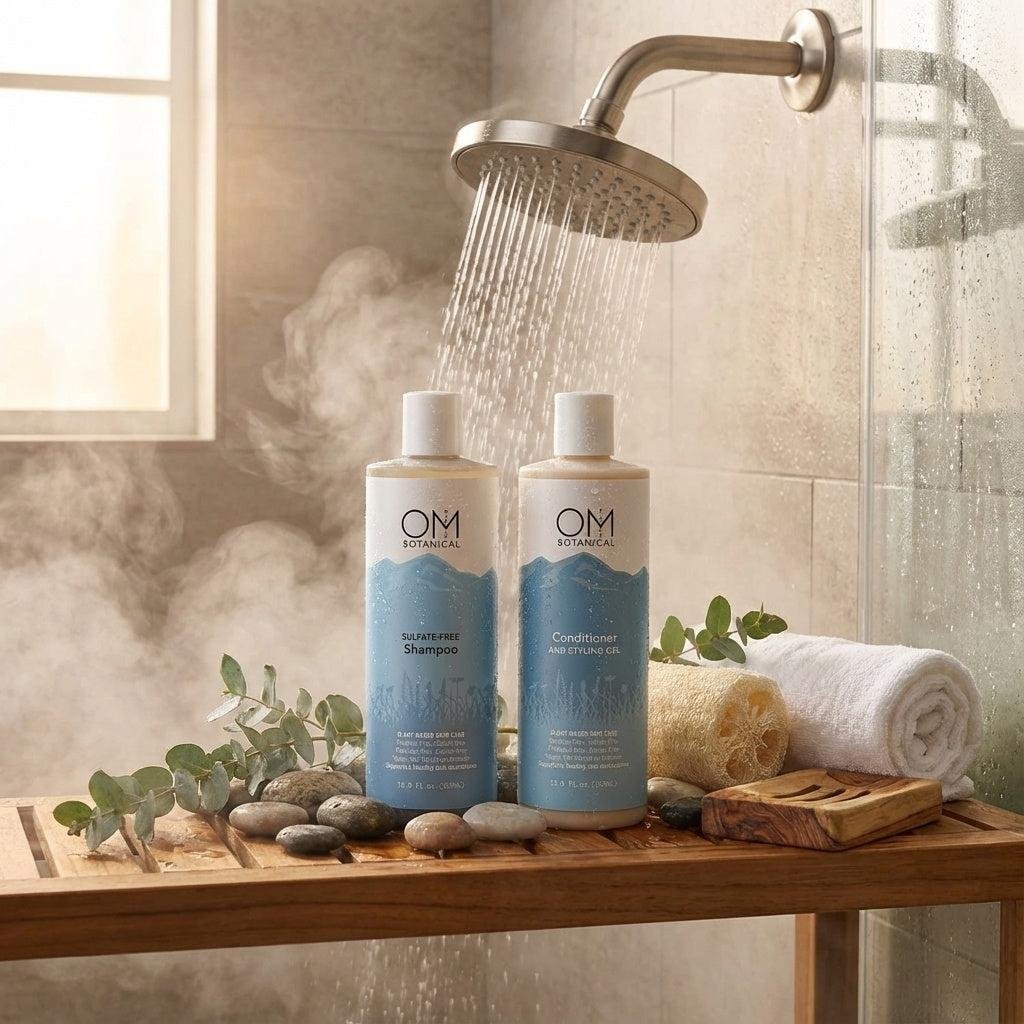
Choosing the right shampoo is an important part of repairing dry and damaged hair.
Some stronger cleansing shampoos may leave already-dry hair feeling rough, particularly when used frequently. A gentle shampoo formulated for dry or chemically treated hair may help maintain a better moisture balance.
When selecting a shampoo, consider:
- Gentle cleansing ingredients: Help remove dirt and excess oil.
- Conditioning agents: Improve softness and manageability.
- Moisturising ingredients: Help reduce the feeling of dryness.
- Protein-based ingredients: May improve the feel of weakened hair.
- Scalp compatibility: The shampoo should suit your scalp type.
A sulphate-free shampoo can be a useful option for people who find traditional shampoos too drying. However, sulphate-free does not automatically mean better for everyone. The right choice depends on your scalp and hair needs.
For chemically treated or extremely dry hair, a suitable professional hair care range can also help maintain the results of salon treatments.
6. Use Aloe Vera to Improve Hair Softness
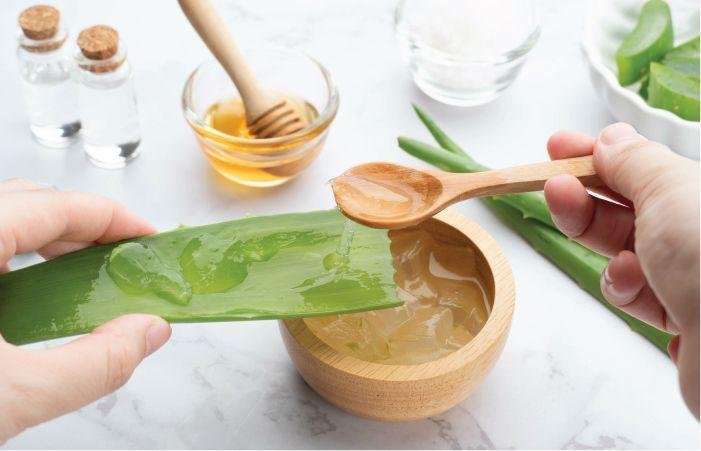
Aloe vera is widely used in natural beauty and hair care routines because of its soothing and conditioning properties.
Its gel contains water and various plant compounds that can help provide a refreshing feel and improve hair softness when used in suitable formulations.
How to use aloe vera for hair:
- Take fresh aloe vera gel or a cosmetic-grade aloe vera gel.
- Apply a small amount to damp hair lengths.
- Distribute it gently through the hair.
- Leave it for around 15–20 minutes if tolerated.
- Rinse thoroughly.
Potential benefits:
- Helps condition dry hair.
- Makes hair feel softer.
- Improves manageability.
- Provides a lightweight conditioning effect.
We should perform a patch test before using fresh aloe vera or any new homemade hair preparation. Avoid using it if irritation occurs.
7. Include Protein Treatments in Your Hair Care Routine
Hair is primarily made of a protein called keratin. Chemical processing, bleaching, and excessive heat can damage the hair’s protein structure.
Protein-based conditioners and treatments containing hydrolysed keratin, wheat protein, or other hydrolysed proteins can temporarily improve the feel, strength, and appearance of damaged hair.
However, protein treatments should be selected according to hair condition.
Signs your hair may benefit from a protein-based treatment:
- Hair feels weak after chemical processing.
- Strands break easily.
- Hair feels overly stretchy when wet.
- Hair has lost its natural structure and manageability.
How to use protein treatments:
- Choose a treatment formulated for your hair type.
- Apply it according to the product instructions.
- Avoid leaving it on longer than recommended.
- Follow with suitable conditioning if instructed.
Using too many protein-rich products can leave some hair types feeling stiff or rough. A balanced combination of moisture and conditioning is important.
8. Trim Split Ends Regularly
Split ends are a common sign of hair damage. They occur when the protective structure of the hair shaft becomes weakened and begins to separate.
Unfortunately, split ends cannot be permanently repaired with oils, shampoos, or hair masks. Conditioning products can temporarily smooth them, but trimming is the most reliable way to remove split ends.
To maintain healthier-looking hair:
- Trim damaged ends when necessary.
- Avoid excessive brushing.
- Use a wide-tooth comb to detangle wet hair gently.
- Apply conditioner to the lengths and ends.
- Protect your hair from excessive heat.
Regular trimming helps prevent existing split ends from travelling further up the hair shaft.
9. Use a Microfibre Towel to Reduce Hair Breakage
The way we dry our hair can also affect its condition.
Rubbing wet hair aggressively with a regular towel can create friction and increase tangling. Wet hair is more vulnerable to mechanical damage, especially when it has already been chemically treated.
Instead, follow these simple steps:
- Gently squeeze excess water from your hair.
- Use a soft microfibre towel or cotton T-shirt.
- Avoid twisting or rubbing your hair aggressively.
- Allow your hair to air-dry when possible.
- Detangle gently using a wide-tooth comb.
These small changes can help reduce unnecessary breakage and improve hair manageability.
10. Follow a Healthy Diet for Stronger Hair
Healthy hair care starts with more than external treatments. Our diet also plays an important role in maintaining normal hair growth and overall hair health.
Hair follicles require adequate nutrients to support their natural growth cycle.
Include the following foods in a balanced diet:
| Nutrient | Food Sources |
|---|---|
| Protein | Eggs, lentils, paneer, fish, beans |
| Iron | Spinach, lentils, beans, meat |
| Zinc | Pumpkin seeds, nuts, whole grains |
| Vitamin C | Oranges, amla, guava, berries |
| Vitamin D | Fortified foods, eggs, suitable sunlight exposure |
| Omega-3 fatty acids | Walnuts, flaxseeds, fatty fish |
| Biotin | Eggs, nuts, seeds, legumes |
Protein is particularly important because hair is primarily composed of keratin.
We should also avoid taking unnecessary hair supplements without identifying a nutritional deficiency. Excessive intake of certain vitamins and minerals can sometimes cause unwanted effects, including hair loss.
11. Protect Your Hair from Sunlight and Pollution
Environmental exposure can contribute to hair dryness, colour fading, and surface damage.
UV radiation may weaken hair proteins and affect coloured hair, while pollution and dust can accumulate on the scalp and hair.
To protect your hair:
- Wear a hat or scarf when spending extended periods outdoors.
- Use hair products containing UV-protective ingredients.
- Wash your hair when necessary to remove accumulated dirt.
- Avoid excessive exposure to chlorinated swimming pool water.
- Rinse hair after swimming.
- Use a suitable conditioner after shampooing.
Consistent protection helps reduce additional environmental stress on already-damaged hair.
12. Apply Leave-In Conditioner to Dry Hair Ends
Leave-in conditioners are useful for people experiencing frizz, tangling, roughness, and dryness.
Unlike traditional conditioners, leave-in products remain on the hair after application. They create a conditioning layer that improves smoothness and reduces friction.
How to apply leave-in conditioner:
- Wash and condition your hair.
- Remove excess water gently.
- Take a small amount of leave-in conditioner.
- Apply it evenly to damp mid-lengths and ends.
- Comb gently to distribute the product.
- Style your hair as usual.
Look for ingredients such as panthenol, conditioning polymers, argan oil, and other suitable emollients.
Avoid applying excessive amounts near the scalp, especially if your hair becomes oily quickly.
13. Avoid These Common Hair Care Mistakes
Even when we follow a good hair care routine, certain habits can prevent us from getting the desired results.
Here are some common mistakes we should avoid:
1. Washing Hair with Very Hot Water
Hot water may increase dryness and make already-damaged hair feel rough. Use lukewarm water instead.
2. Skipping Conditioner
Shampoo cleanses the hair, while conditioner helps smooth the cuticle surface and reduce friction. Skipping conditioner can make damaged hair harder to manage.
3. Brushing Wet Hair Aggressively
Wet hair is more vulnerable to stretching and breakage. Detangle carefully using a wide-tooth comb.
4. Applying Too Much Oil
Excessive oiling does not repair structural damage. It may also cause buildup and make washing more difficult.
5. Using Multiple Treatments Together
Combining several protein treatments, chemical treatments, and styling products without understanding your hair’s needs may cause buildup or unwanted stiffness.
6. Expecting Instant Results
Damaged hair cannot completely regenerate its original structure. Consistent conditioning and preventive care improve its appearance and help protect new growth.
14. Best Weekly Hair Care Routine for Dry and Damaged Hair
Following a simple weekly routine can make hair care easier and more consistent.
Here is a practical routine we can follow at home.
| Day | Hair Care Activity |
|---|---|
| Monday | Gentle shampoo and deep conditioning mask |
| Tuesday | Leave-in conditioner and gentle detangling |
| Wednesday | Avoid heat styling and protect hair |
| Thursday | Light pre-shampoo oil treatment if suitable |
| Friday | Gentle shampoo and regular conditioner |
| Saturday | Hair mask according to hair needs |
| Sunday | Rest day and gentle scalp care |
This routine can be adjusted according to scalp oiliness, hair texture, lifestyle, and the level of damage.
People with oily scalps may need more frequent washing, while those with very dry or textured hair may benefit from less frequent cleansing.
15. How Long Does It Take to Repair Dry and Damaged Hair?
The time required to improve dry and damaged hair depends on the extent of damage, hair texture, chemical history, and consistency of care.
We may notice improvements in softness, smoothness, and manageability after the first few conditioning treatments.
However, deeper structural damage cannot be completely reversed with home remedies.
Here is a general idea of what to expect:
| Time Period | Possible Improvements |
|---|---|
| First wash | Hair may feel softer and easier to manage |
| 1–2 weeks | Reduced roughness and improved conditioning |
| 3–4 weeks | Better manageability with consistent care |
| 6–8 weeks | Improved appearance and reduced additional breakage with protective habits |
These are general expectations, not guaranteed results. Existing split ends and severely damaged sections may require trimming.
16. When Should We Consider Professional Hair Treatments?
Home remedies and regular conditioning are helpful for maintaining hair, but severely damaged hair may need professional attention.
A professional hair consultation can help identify whether the problem is related to dryness, chemical damage, excessive breakage, or scalp concerns.
Some salon treatments that may improve the appearance and manageability of damaged hair include:
Hair Spa Treatment
A hair spa generally combines cleansing, conditioning, massage, and nourishing hair masks. It can help improve softness, smoothness, and manageability.
Professional Deep Conditioning
Deep conditioning treatments use concentrated conditioning ingredients to improve the feel of dry and damaged hair.
Bond-Building Treatments
Certain professional bond-building products are designed to target aspects of hair fibre damage caused by chemical processing. Their results depend on the formulation and the extent of damage.
Professional Hair Repair Treatments
Salon treatments may help improve the appearance of frizzy, rough, and chemically treated hair. The correct service should be selected after evaluating hair condition and treatment history.
At NS4 Salon, professional hair care services can help clients understand their hair requirements and choose suitable treatments for maintaining healthier-looking, smoother, and more manageable hair.
17. Frequently Asked Questions About Repairing Dry and Damaged Hair
Q1. How can we repair dry and damaged hair naturally at home?
We can improve the appearance of dry and damaged hair by using coconut oil as a pre-shampoo treatment, applying conditioning masks, choosing gentle shampoos, avoiding excessive heat styling, and using leave-in conditioners. Regular trimming and protective hair care habits are also important.
Q2. Which oil is best for dry and damaged hair?
Coconut oil is a popular option because its lauric acid content allows it to penetrate the hair shaft and help reduce protein loss. Argan oil and jojoba oil can also help improve softness and manageability.
Q3. Can damaged hair become healthy again?
Damaged hair cannot completely restore its original structure. However, conditioning treatments, protective products, and proper hair care habits can improve its appearance, reduce friction, and help prevent further damage.
Q4. How often should we wash dry and damaged hair?
Washing frequency depends on scalp condition, lifestyle, and hair type. People with oily scalps may need frequent washing, while those with dry hair may prefer less frequent cleansing. We should use a shampoo that cleans effectively without leaving the hair excessively dry.
Q5. Does coconut oil repair damaged hair?
Coconut oil may help reduce protein loss and improve hair softness. However, it cannot permanently repair split ends or reverse severe structural damage.
Q6. Which shampoo is best for dry and damaged hair?
A gentle shampoo formulated for dry, damaged, or chemically treated hair is a good starting point. Sulphate-free shampoos may be suitable for people who find stronger cleansers too drying.
Q7. Can hair masks repair damaged hair?
Hair masks can improve softness, smoothness, and manageability. Some formulations also help temporarily strengthen the feel of damaged hair. However, they cannot permanently reconstruct severely damaged hair fibres.
Q8. Why does my hair feel dry even after applying oil?
Oil helps reduce friction and improve softness, but it does not provide all the conditioning benefits that hair needs. We should combine appropriate cleansing, conditioning, deep masks, and leave-in products for better results.
Q9. Is a hair spa good for dry and damaged hair?
A suitable hair spa can improve the softness, smoothness, and manageability of dry hair. The treatment should be selected according to hair condition and chemical history.
Q10. How can we prevent hair from becoming damaged again?
We should reduce excessive heat styling, avoid unnecessary chemical processing, use conditioner regularly, protect hair from environmental exposure, detangle gently, and maintain a balanced diet.
Conclusion: Restore Your Hair’s Natural Beauty with the Right Hair Care Routine
Repairing dry and damaged hair at home requires patience, consistency, and the right combination of hair care practices.
From using nourishing oils and deep conditioning masks to choosing gentle shampoos and avoiding excessive heat styling, every small step contributes to better hair manageability.
We should remember that healthy-looking hair is not achieved through one product or one treatment. It comes from understanding our hair’s needs and following a consistent routine that protects it from further damage.
If your hair is severely damaged due to bleaching, colouring, or chemical treatments, consider consulting a professional hairstylist before choosing an intensive treatment.
With the right care, we can improve hair softness, reduce breakage, control frizz, and maintain smoother, shinier, and more manageable hair.
Give your hair the care it deserves and make healthy hair a part of your everyday beauty routine!