
Sulphate-Free Shampoo: Benefits for Your Hair
-
Dokmai London
- Posted on
- 0 comments
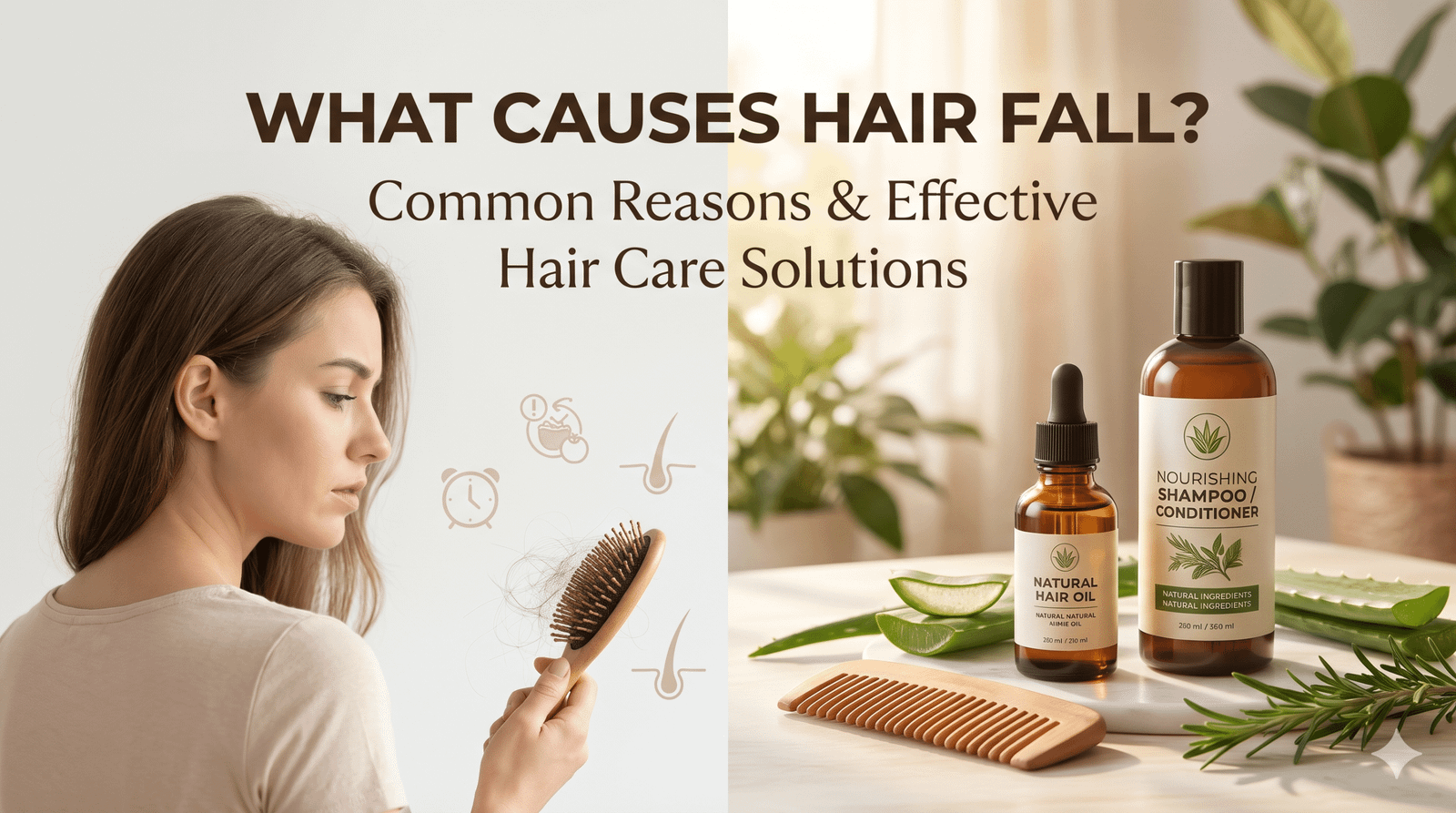
Healthy, shiny, and manageable hair begins with the right hair care routine. While regular shampooing helps remove dirt, excess oil, sweat, and product buildup, choosing the wrong shampoo can sometimes leave hair feeling dry, rough, and difficult to manage. This is why sulphate-free shampoo has become an increasingly popular choice among people looking for gentle yet effective hair cleansing.
Sulphate-free shampoos are designed to cleanse the scalp and hair without using certain harsh sulphate-based cleansing agents commonly found in traditional shampoos. They help maintain the hair’s natural moisture balance while providing a gentle cleansing experience.
Whether you have dry, frizzy, coloured, chemically treated, curly, or sensitive hair, switching to a sulphate-free shampoo may offer several benefits. However, understanding how these shampoos work, who should use them, and how to choose the right formula is essential for achieving the best results.
In this comprehensive guide, we will explore the benefits of sulphate-free shampoo, its ingredients, how it supports hair health, and why it can be a valuable addition to your daily hair care routine.
What Is Sulphate-Free Shampoo?
Sulphate-free shampoo is a hair cleansing product formulated without commonly used sulphate-based surfactants such as Sodium Lauryl Sulphate (SLS) and Sodium Laureth Sulphate (SLES).
Sulphates are cleansing agents responsible for creating the rich foam and lather found in many conventional shampoos. They help remove oil, dirt, sweat, and styling product residue from the scalp and hair.
Although sulphates are effective cleansing ingredients, they may be too strong for certain hair types, particularly when used frequently or in combination with other drying hair care products.
Sulphate-free shampoos use alternative cleansing ingredients that help clean the scalp while offering a gentler washing experience.
These formulations are particularly popular among people who want to:
- Maintain natural hair moisture.
- Reduce dryness and roughness.
- Protect colour-treated hair.
- Manage frizzy and chemically treated hair.
- Maintain soft and manageable hair.
- Follow a gentle hair care routine.
It is important to remember that sulphate-free does not automatically mean chemical-free or suitable for everyone. The overall formulation and individual hair requirements determine how well a shampoo performs.
Top 10 Benefits of Sulphate-Free Shampoo for Hair
Switching to a sulphate-free shampoo can offer several advantages, especially if your hair is prone to dryness, frizz, or colour fading.
Let’s explore its major benefits.
1. Helps Maintain Natural Hair Moisture
One of the most recognised benefits of sulphate-free shampoo is its gentle cleansing approach.
Some traditional sulphate-based shampoos can remove substantial amounts of natural scalp oils during washing. These oils, known as sebum, help lubricate the scalp and hair strands.
When too much natural oil is removed, hair may feel dry, rough, and less manageable.
Sulphate-free shampoos are often formulated with milder cleansing agents that help clean the hair without excessively stripping away natural oils.
Benefits include:
- Hair feels softer after washing.
- Reduced dryness caused by harsh cleansing.
- Better moisture retention.
- Improved hair manageability.
For individuals with naturally dry hair, choosing a gentle shampoo can make a noticeable difference in their overall hair care experience.
2. Helps Reduce Frizz and Improve Hair Manageability
Frizzy hair is a common concern, particularly in humid weather or when hair lacks sufficient moisture.
Dry hair tends to absorb moisture from the surrounding environment, which can cause the hair shaft to swell and create an uneven appearance.
A sulphate-free shampoo may help minimise dryness associated with excessive cleansing, making hair easier to manage.
Many sulphate-free formulations also contain conditioning ingredients such as:
- Glycerin
- Aloe vera
- Panthenol
- Plant-derived oils
- Conditioning polymers
These ingredients help improve softness, smoothness, and manageability.
With regular use alongside a suitable conditioner, sulphate-free shampoo can support a smoother-looking finish and help control frizz.
3. Helps Protect Colour-Treated Hair
Hair colouring involves changing the natural pigment of hair through chemical processes. Depending on the colouring technique and hair condition, the hair may become more vulnerable to dryness and colour fading.
Frequent washing with strongly cleansing shampoos may contribute to faster colour loss.
Sulphate-free shampoo is often preferred for colour-treated hair because its cleansing system may be gentler and help reduce colour washout.
It can be particularly useful for:
- Global hair colour.
- Highlights and lowlights.
- Balayage.
- Fashion hair colours.
- Bleached hair.
- Professionally coloured hair.
Using a colour-safe sulphate-free shampoo, washing with lukewarm water, and limiting unnecessary shampooing can help maintain colour vibrancy for longer.
4. Suitable for Dry and Damaged Hair
Dry and damaged hair often requires extra care because its outer protective layer, known as the cuticle, may become rough or compromised.
Chemical treatments, excessive heat styling, environmental exposure, and aggressive cleansing can contribute to hair damage.
Sulphate-free shampoos offer a gentler cleansing option for people experiencing dryness and roughness.
Look for formulations containing:
- Argan oil
- Coconut-derived conditioning ingredients
- Shea butter
- Aloe vera
- Panthenol
- Hydrolysed proteins
These ingredients can support softness, improve the feel of damaged hair, and make strands easier to comb.
However, shampoo alone cannot repair severely damaged hair. A complete routine involving conditioner, hair masks, heat protection, and appropriate salon treatments is important.
5. Supports Curly and Wavy Hair Care
Curly and wavy hair often requires more moisture than straight hair because natural scalp oils may not travel as easily along curved hair strands.
This can make curly hair more susceptible to dryness, tangling, and frizz.
Sulphate-free shampoos are popular in curly hair care routines because they offer a gentler cleansing experience.
Their potential benefits include:
- Helping maintain hair softness.
- Reducing excessive dryness.
- Supporting curl definition.
- Improving manageability.
- Making detangling easier when paired with conditioner.
People with curly hair should look for moisturising formulations specifically designed for their curl pattern and scalp requirements.
6. Helps Maintain Scalp Comfort
A healthy scalp is an important foundation for healthy-looking hair.
Some people experience scalp tightness, dryness, or irritation when using strongly cleansing products. In such cases, switching to a gentler shampoo may improve comfort.
Sulphate-free shampoos can be a suitable option for people who prefer mild cleansing products.
However, scalp sensitivity can have several causes, including fragrance allergies, preservatives, dermatitis, and other skin conditions.
Therefore, choosing a sulphate-free product does not guarantee that it will be irritation-free.
For persistent itching, redness, flaking, or irritation, professional dermatological advice is recommended.
7. Helps Maintain Hair Smoothness After Keratin and Smoothening Treatments
Chemical hair treatments such as keratin, smoothening, and nanoplastia are designed to improve hair texture, manageability, and appearance.
After these treatments, the recommended home care routine becomes particularly important.
Many salon professionals recommend sulphate-free shampoos because gentler cleansing can help minimise unnecessary removal of conditioning agents and may support longer-lasting cosmetic results.
Potential advantages include:
- Maintaining a smoother hair appearance.
- Helping reduce dryness.
- Supporting better manageability.
- Providing gentle cleansing between salon visits.
The correct shampoo depends on the specific treatment performed. Always follow the aftercare instructions provided by your hairstylist.
8. Helps Reduce Hair Breakage Associated With Dryness
Hair breakage and hair fall are two different concerns.
Hair breakage occurs when the hair shaft becomes weak and snaps, while hair fall generally refers to hair shedding from the follicle.
Dry, rough hair is more likely to experience friction and tangling, which can contribute to breakage during brushing and styling.
A sulphate-free shampoo may help reduce excessive dryness associated with harsh cleansing.
When combined with a conditioner and gentle detangling techniques, it can support better hair manageability and help minimise mechanical breakage.
Important: Sulphate-free shampoo is not a medical treatment for hair loss. It does not directly stimulate new hair growth or treat underlying causes of excessive shedding.
9. Suitable for Frequent Hair Washing
People who exercise regularly, live in dusty environments, or have naturally oily scalps may need to wash their hair frequently.
Choosing an appropriate shampoo is important because frequent cleansing with an unsuitable formulation may leave some hair types feeling dry.
Many sulphate-free shampoos are designed for regular use and offer a mild cleansing experience.
However, washing frequency should depend on your scalp condition, lifestyle, and hair type rather than the shampoo label alone.
10. Supports a Balanced Hair Care Routine
Healthy hair requires more than just shampooing.
A well-planned hair care routine includes cleansing, conditioning, moisturising, protection, and occasional deep conditioning.
Sulphate-free shampoo can serve as the cleansing step in this routine.
When paired with suitable hair care products, it can help maintain:
- Hair softness.
- Scalp cleanliness.
- Natural-looking shine.
- Better manageability.
- Improved overall hair appearance.
The most effective routine is one that addresses your individual hair and scalp requirements.
Sulphate-Free Shampoo vs Regular Shampoo: What Is the Difference?
Understanding the difference between sulphate-free and regular shampoo can help you make a better hair care decision.
| Feature | Sulphate-Free Shampoo | Regular Sulphate Shampoo |
|---|---|---|
| Cleansing agents | Alternative mild surfactants | Often contains SLS or SLES |
| Lather | Usually less foam, depending on formula | Often produces rich foam |
| Moisture | May help reduce excessive oil stripping | Can feel drying for some hair types |
| Coloured hair | Often preferred for colour care | Some formulations may accelerate colour washout |
| Dry hair | Often a suitable option | May feel harsh for certain dry hair types |
| Curly hair | Frequently preferred | May increase dryness for some users |
| Keratin-treated hair | Often recommended, depending on treatment | May not suit certain treatment aftercare routines |
Which is better?
Neither shampoo is universally better.
Regular sulphate shampoos can provide effective cleansing, particularly for oily scalps and heavy product buildup. Sulphate-free shampoos may be more suitable for people who prioritise gentle cleansing and moisture retention.
The best choice depends on your scalp condition, hair texture, lifestyle, and product formulation.
Who Should Use Sulphate-Free Shampoo?
Sulphate-free shampoo can be a good choice for several hair types and conditions.
1. People With Dry Hair
If your hair frequently feels rough, dull, or dehydrated, a gentle cleansing formula may help reduce additional dryness.
2. People With Coloured Hair
Colour-treated hair often benefits from shampoos formulated to minimise colour fading and maintain softness.
3. People With Chemically Treated Hair
Keratin, smoothening, rebonding, and other chemical treatments may leave hair requiring additional conditioning and careful cleansing.
4. People With Curly Hair
Curly hair often needs moisture-focused products to maintain softness and reduce tangling.
5. People With Frizzy Hair
A gentle shampoo combined with a moisturising conditioner can help improve hair manageability.
6. People With Sensitive Scalps
Those who experience discomfort with certain cleansing products may prefer a mild formulation. However, they should also check fragrance and other potential irritants.
How to Choose the Best Sulphate-Free Shampoo for Your Hair Type
Not every sulphate-free shampoo delivers the same results. Different formulations are designed to address different hair concerns.
Here is how to select the right product.
| Hair Type | Recommended Shampoo Characteristics |
|---|---|
| Dry hair | Moisturising and nourishing |
| Oily scalp | Lightweight and clarifying |
| Frizzy hair | Smoothing and conditioning |
| Curly hair | Hydrating and curl-friendly |
| Coloured hair | Colour-safe formulation |
| Damaged hair | Conditioning and strengthening ingredients |
| Chemically treated hair | Treatment-compatible gentle cleansing |
Important Ingredients to Look For
When purchasing a sulphate-free shampoo, check the ingredient list for beneficial cleansing and conditioning ingredients.
1. Cocamidopropyl Betaine
A cleansing and foam-boosting surfactant commonly used in gentle shampoo formulations.
2. Decyl Glucoside
A non-ionic surfactant derived from glucose and fatty alcohols that is commonly used in mild cleansing products.
3. Sodium Cocoyl Isethionate
A cleansing ingredient used in formulations designed to provide a mild cleansing experience.
4. Glycerin
A humectant that attracts and helps retain moisture.
5. Panthenol
Also known as provitamin B5, panthenol helps improve hair softness and conditioning.
6. Aloe Vera
Commonly included in hair care products for its conditioning and soothing properties.
7. Hydrolysed Proteins
These ingredients can help improve the feel and appearance of damaged hair by supporting conditioning and temporary surface benefits.
Always evaluate the complete formulation rather than selecting a shampoo based on a single ingredient.
How to Use Sulphate-Free Shampoo Correctly
Even the best shampoo may not deliver satisfactory results if it is not used correctly.
Follow these simple steps for an effective hair-washing routine.
Step 1: Wet Your Hair Thoroughly
Use lukewarm water to completely wet your scalp and hair. This helps distribute the shampoo evenly.
Step 2: Apply the Right Amount of Shampoo
Take a suitable quantity of sulphate-free shampoo according to your hair length and density.
Step 3: Massage Your Scalp Gently
Apply the shampoo to your scalp and massage gently using your fingertips.
Avoid scratching your scalp with your nails.
Step 4: Rinse Thoroughly
Wash away the shampoo completely with lukewarm water.
Step 5: Apply Conditioner
Apply conditioner mainly to the mid-lengths and ends of your hair.
Leave it on according to the product instructions.
Step 6: Use a Hair Mask When Required
For dry or chemically treated hair, incorporate a suitable nourishing hair mask into your weekly routine.
Step 7: Dry Your Hair Gently
Avoid excessive rubbing with a towel. Use a soft towel or microfibre towel and minimise unnecessary heat styling.
Common Myths About Sulphate-Free Shampoo
There are several misconceptions surrounding sulphate-free hair care products.
Let’s understand the facts.
Myth 1: Sulphate-Free Shampoo Does Not Clean Hair Properly
Fact: Sulphate-free shampoos can effectively remove everyday dirt, sweat, and excess oil. Their cleansing performance depends on the surfactants and overall formulation.
Myth 2: Sulphate-Free Shampoo Completely Stops Hair Fall
Fact: Sulphate-free shampoo does not directly treat hair loss. It may help reduce dryness-related breakage in some people, but hair shedding can have several underlying causes.
Myth 3: All Sulphate-Free Shampoos Are Natural
Fact: Sulphate-free does not mean completely natural. These products can contain synthetic cleansing agents, preservatives, fragrances, and conditioning ingredients.
Myth 4: Sulphate-Free Shampoo Is Only for Women
Fact: Hair care requirements depend on hair type and scalp condition, not gender. Anyone can use sulphate-free shampoo if its formulation suits their needs.
Myth 5: Sulphate-Free Shampoo Never Produces Foam
Fact: Many sulphate-free shampoos produce foam using alternative surfactants. The amount of foam does not determine how effectively a shampoo cleanses hair.
How Long Does It Take to See Results After Switching to Sulphate-Free Shampoo?
The results of switching to sulphate-free shampoo vary from person to person.
Some people notice improved softness and manageability after their first few washes, while others may need more time to determine whether the formulation suits their hair.
During the initial period, you may notice differences in:
- Foam production.
- Hair texture after washing.
- Scalp oiliness.
- Hair manageability.
- Product buildup.
If your hair feels excessively greasy or heavy, the shampoo may not be cleansing effectively for your scalp or may not be the right formulation.
People who regularly use styling creams, gels, oils, and leave-in products may occasionally require a suitable clarifying shampoo to remove buildup.
Remember that sulphate-free shampoo is not a one-size-fits-all solution. Consistency and choosing the right formula are more important than following a trend.
Sulphate-Free Shampoo for Indian Hair: Why Is It Worth Considering?
Indian hair is exposed to several environmental and lifestyle factors, including dust, pollution, humidity, hard water, excessive sun exposure, and frequent styling.
These factors can affect scalp cleanliness, hair texture, and overall manageability.
Additionally, many people regularly colour, smoothen, straighten, or chemically treat their hair.
A sulphate-free shampoo may be worth considering for individuals who want a gentler cleansing option, particularly when their hair is dry, coloured, or chemically treated.
When choosing a shampoo for Indian hair, consider the following:
- For humid weather: Choose lightweight formulas that do not leave excessive residue.
- For dry weather: Consider moisturising formulations.
- For oily scalps: Select a shampoo with effective cleansing properties.
- For coloured hair: Choose a colour-safe shampoo.
- For hard water: Consider occasional clarifying care if mineral buildup is a concern.
- For chemically treated hair: Follow your salon professional’s recommended aftercare routine.
A personalised hair care approach can help you maintain healthier-looking, softer, and more manageable hair throughout the year.
Frequently Asked Questions About Sulphate-Free Shampoo
1. Is sulphate-free shampoo good for everyday use?
Many sulphate-free shampoos are formulated for regular use. However, washing frequency depends on your scalp condition, hair type, and lifestyle. Follow the product instructions and wash whenever your scalp requires cleansing.
2. Does sulphate-free shampoo help with hair growth?
Sulphate-free shampoo does not directly stimulate hair growth. It may help reduce dryness-related breakage by providing a gentler cleansing experience, but it cannot treat medical hair loss.
3. Can we use sulphate-free shampoo after keratin treatment?
Yes, many keratin aftercare routines recommend sulphate-free shampoo. However, the exact recommendation depends on the treatment formulation and the instructions provided by your salon professional.
4. Is sulphate-free shampoo suitable for oily hair?
Yes. People with oily hair can use sulphate-free shampoo, provided the product offers sufficient cleansing. Lightweight formulations may be particularly suitable.
5. Does sulphate-free shampoo reduce frizz?
It may help reduce dryness associated with harsh cleansing, which can improve manageability and make frizzy hair easier to control. Using a suitable conditioner is also important.
6. Is sulphate-free shampoo better for coloured hair?
Many colour-treated hair routines benefit from sulphate-free shampoo because gentler cleansing may help reduce colour washout. Choosing a specifically colour-safe formulation is recommended.
7. Can sulphate-free shampoo remove oil and dirt?
Yes. Sulphate-free shampoos contain alternative surfactants that help remove dirt, sweat, excess oil, and everyday impurities from the scalp and hair.
8. Does sulphate-free shampoo cause hair fall initially?
Sulphate-free shampoo is not generally expected to cause hair fall simply because it does not contain sulphates. However, changes in washing routines may make existing shed hairs more noticeable. If excessive shedding continues, consult a dermatologist.
9. Is sulphate-free shampoo suitable for men?
Absolutely. Men with dry, coloured, frizzy, curly, or chemically treated hair can also benefit from suitable sulphate-free formulations.
10. Can sulphate-free shampoo be used on chemically treated hair?
Yes, many formulations are suitable for chemically treated hair. However, always check whether the shampoo is compatible with your particular treatment.
Final Thoughts: Make the Switch to a Better Hair Care Routine
Choosing the right shampoo is one of the most important steps towards maintaining healthy-looking hair. While traditional shampoos can provide effective cleansing, they may not always be the ideal option for people experiencing dryness, frizz, colour fading, or chemically treated hair concerns.
Sulphate-free shampoo offers a gentler cleansing alternative that can help maintain natural moisture, improve manageability, support colour care, and complement a nourishing hair care routine.
However, the best results come from selecting a shampoo that matches your individual hair type and scalp requirements.
At Dokmai London, we believe that effective hair care begins with understanding your hair’s needs and choosing products that support its natural beauty. Whether your concern is dryness, frizz, colour maintenance, or chemically treated hair, the right cleansing and conditioning routine can make a meaningful difference.
Give your hair the care it deserves with a thoughtful hair care routine that focuses on gentle cleansing, nourishment, and long-term manageability.
Healthy-looking hair starts with the right care!