
How to Build the Perfect Daily Skincare Routine for Indian Skin
-
Dokmai London
- Posted on
- 0 comments
Healthy, glowing skin starts with a skincare routine that suits your skin type, lifestyle, and environment. In India, our skin faces several challenges, including intense sunlight, humidity, pollution, dust, excessive sweating, and seasonal changes. These environmental factors can contribute to tanning, pigmentation, acne, dryness, premature ageing, and uneven skin tone.
Following a consistent daily skincare routine for Indian skin can help maintain hydration, improve skin texture, protect against environmental damage, and support a naturally healthy complexion.
However, achieving healthy skin does not mean using dozens of expensive products. The secret is choosing the right skincare products, understanding your skin’s needs, and following a routine consistently.
In this comprehensive guide, we explore how to build the perfect morning and night skincare routine for Indian skin, including essential ingredients, product recommendations, and practical skincare tips.
1. Understand Your Skin Type Before Choosing Skincare Products
Before creating a skincare routine, we need to understand our skin type. Different skin types have different requirements, and using unsuitable products may lead to irritation, breakouts, excessive oiliness, or dryness.
Here are the five common skin types:
Normal Skin
Normal skin generally has balanced oil production and feels comfortable throughout the day. It usually requires gentle cleansing, lightweight moisturisation, and daily sun protection.
Oily Skin
Oily skin produces excess sebum, which can create a greasy appearance and contribute to clogged pores and acne. Lightweight, non-comedogenic, and gel-based skincare products are generally suitable.
Dry Skin
Dry skin often feels tight, rough, or flaky. It benefits from hydrating ingredients such as hyaluronic acid, glycerin, and ceramides.
Combination Skin
Combination skin typically has an oily T-zone, including the forehead, nose, and chin, while the cheeks may feel normal or dry. A balanced routine with lightweight hydration is usually effective.
Sensitive Skin
Sensitive skin may react to fragrances, harsh cleansers, or strong active ingredients. Gentle, fragrance-free products and a simple skincare routine are preferable.
Skincare tip: We should always select products according to our skin type rather than following every trending skincare recommendation.
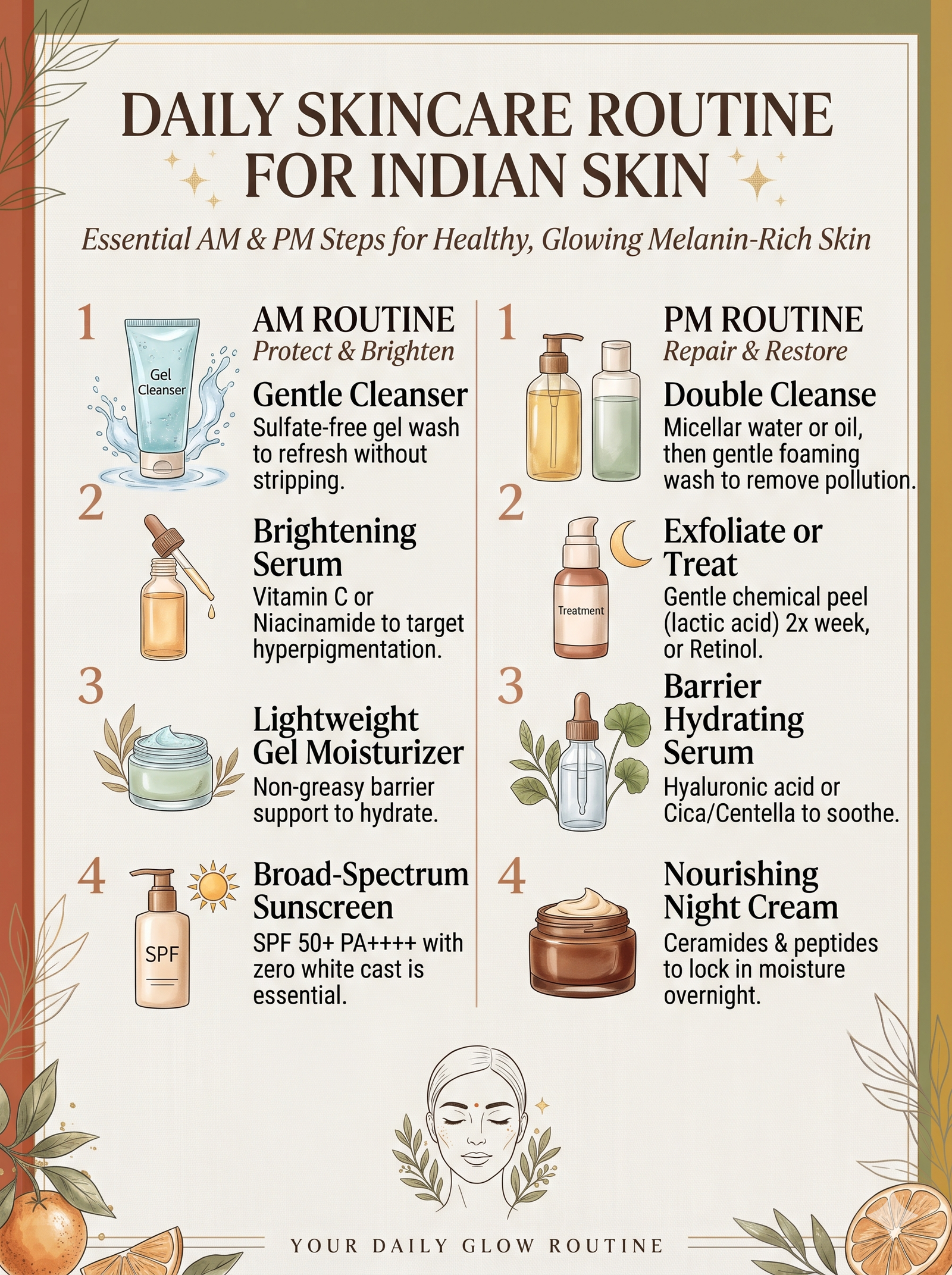
2. Morning Skincare Routine for Indian Skin
A good morning skincare routine prepares the skin for the day and helps protect it from environmental stressors.
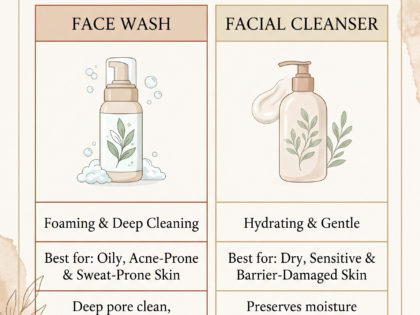
Step 1: Cleanse Your Face With a Gentle Face Wash
Cleansing is the first and most important step in a morning skincare routine. During sleep, our skin accumulates sweat, excess oil, and other impurities.
Using a gentle face wash helps remove these impurities without excessively stripping the skin’s natural moisture.
For different skin types:
- Oily skin: Choose a gentle gel-based cleanser.
- Dry skin: Use a hydrating cream cleanser.
- Combination skin: Choose a balanced, gentle cleanser.
- Sensitive skin: Prefer fragrance-free cleansing formulas.
Ingredients such as glycerin and mild cleansing agents can help maintain skin comfort.
Avoid washing your face excessively or using harsh soaps that may damage the skin barrier.
Step 2: Apply a Hydrating Toner (Optional)
A toner can be included in our skincare routine if additional hydration or a specific skin benefit is required.
Hydrating toners containing glycerin, hyaluronic acid, or panthenol can help improve skin hydration.
For Indian skin exposed to changing weather conditions, lightweight hydration can be particularly useful.
However, toners are not compulsory. A suitable cleanser, moisturiser, and sunscreen are more important.
Step 3: Use a Vitamin C Serum for Glowing Skin
Vitamin C is a popular skincare ingredient known for its antioxidant properties.
Including a Vitamin C serum in a morning skincare routine may help:
- Improve the appearance of uneven skin tone.
- Reduce the appearance of dark spots over time.
- Support a brighter-looking complexion.
- Provide antioxidant protection against environmental stress.
- Support collagen production.
For beginners, a lower concentration may be easier to tolerate. We should introduce Vitamin C gradually and follow the product instructions.
A Vitamin C serum works best as part of a complete routine that includes moisturiser and sunscreen.
Step 4: Apply a Suitable Moisturiser
Moisturising is essential for every skin type, including oily and acne-prone skin.
A good moisturiser helps maintain the skin barrier, reduce moisture loss, and keep the skin feeling soft and comfortable.
Look for ingredients such as:
- Hyaluronic Acid: Helps attract and retain moisture.
- Glycerin: Supports skin hydration.
- Ceramides: Help strengthen the skin barrier.
- Niacinamide: Supports barrier function and can improve the appearance of uneven skin tone.
For humid Indian weather, lightweight gel-based moisturisers may feel comfortable. During winter, richer creams can provide additional nourishment.
Step 5: Apply Sunscreen Every Morning
Sunscreen is one of the most important steps in any skincare routine, particularly in India, where UV exposure can be significant throughout the year.
Regular sun protection helps prevent sunburn, premature skin ageing, and worsening pigmentation.
We recommend choosing:
- Broad-spectrum SPF 30 or SPF 50.
- Protection against both UVA and UVB rays.
- A formula suitable for your skin type.
- A comfortable texture that encourages daily use.
Apply sunscreen generously to the face, neck, ears, and other exposed areas.
Reapply approximately every two hours when outdoors, and after swimming or excessive sweating, following the product instructions.
Remember that sunscreen should be used even on cloudy days.
3. Night Skincare Routine for Healthy Indian Skin
Night-time skincare focuses on cleansing, hydration, and supporting the skin barrier.
During the day, our skin is exposed to sunscreen, makeup, sweat, pollution, and environmental impurities. A proper night routine helps remove these substances.
Step 1: Remove Makeup and Sunscreen
If we wear makeup or water-resistant sunscreen, using an appropriate makeup remover or cleansing oil can help dissolve these products.
Follow with a gentle face wash to remove remaining residue.
This cleansing method is commonly known as double cleansing.
It is particularly useful for people who regularly wear makeup or water-resistant sunscreen, although it is not necessary for everyone.
Step 2: Use a Gentle Cleanser
After removing makeup and sunscreen, cleanse your face with a suitable face wash.
Avoid scrubbing aggressively, as excessive friction may irritate the skin.
Pat your face dry with a clean, soft towel.
Step 3: Apply a Targeted Night Serum
Night-time is a convenient opportunity to include targeted skincare ingredients according to individual skin concerns.
Some commonly used ingredients include:
Niacinamide: Helps support the skin barrier, regulate the appearance of excess oil, and improve uneven skin tone.
Hyaluronic Acid: Helps maintain hydration and reduce the appearance of dehydration-related fine lines.
Retinol: A vitamin A derivative that can help improve the appearance of fine lines, uneven texture, and acne. Beginners should start slowly, using a low-strength formulation according to product instructions. Retinoids should be avoided during pregnancy.
Alpha Arbutin: An ingredient commonly used in products targeting the appearance of dark spots and uneven pigmentation.
We should avoid introducing multiple powerful active ingredients simultaneously. Start with one targeted ingredient, observe how the skin responds, and increase usage gradually if appropriate.
Step 4: Finish With a Nourishing Moisturiser
The final step is applying a suitable moisturiser.
Night-time moisturising helps reduce moisture loss and supports the skin barrier.
People with dry skin may benefit from richer creams containing ceramides, while oily skin types can choose lightweight moisturising gels.
Consistency is more important than using a large number of products.
4. Best Skincare Ingredients for Indian Skin
Choosing products based on their ingredients can help us build a more effective skincare routine.
Here are some ingredients worth considering:
| Skincare Ingredient | Main Benefit |
|---|---|
| Vitamin C | Antioxidant protection and brighter-looking skin |
| Niacinamide | Supports the skin barrier and improves uneven tone |
| Hyaluronic Acid | Helps maintain hydration |
| Salicylic Acid | Helps unclog pores and manage acne |
| Glycolic Acid | Exfoliates the skin’s surface |
| Ceramides | Support the skin’s protective barrier |
| Retinol | Helps improve the appearance of fine lines and uneven texture |
| Glycerin | Attracts and retains moisture |
| Panthenol | Helps soothe and hydrate the skin |
Not every ingredient is suitable for everyone. We should consider skin sensitivity, existing skin conditions, and product concentration before introducing new actives.
5. How to Choose Skincare Products According to Indian Weather
India experiences different climatic conditions throughout the year. Therefore, our skincare routine may need small adjustments depending on the season.
Summer Skincare Routine
Hot weather and humidity can increase sweating and make the skin feel oily.
We should consider:
- Lightweight gel-based moisturisers.
- Gentle face washes.
- Non-comedogenic skincare products.
- Broad-spectrum SPF 50 sunscreen.
- Lightweight hydrating serums.
Winter Skincare Routine
Cold weather and low humidity can make the skin dry and uncomfortable.
We should consider:
- Cream-based moisturisers.
- Hydrating cleansers.
- Ceramide-rich skincare products.
- Gentle exfoliation.
- Regular sunscreen application.
Monsoon Skincare Routine
Humidity during monsoon can make the skin feel sticky and uncomfortable.
We should consider:
- Lightweight moisturisers.
- Gentle cleansing.
- Non-comedogenic products.
- Consistent sun protection.
- Avoiding excessive exfoliation.
Our skincare routine should adapt to the weather without unnecessarily changing every product.
6. Common Skincare Mistakes We Should Avoid
Even a good skincare routine may become ineffective if we make common mistakes.
Using Too Many Products
Applying multiple serums, exfoliants, and active ingredients can increase the risk of irritation.
A simple routine is often more effective and easier to maintain.
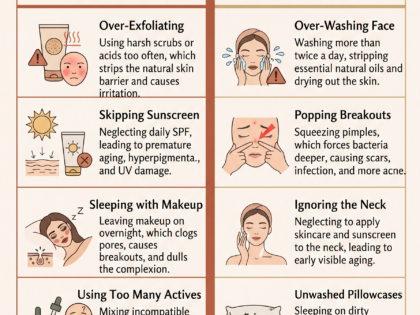
Skipping Sunscreen
Using expensive serums without daily sun protection can undermine our efforts to manage pigmentation and premature ageing.
Over-Exfoliating the Skin
Excessive exfoliation may damage the skin barrier and cause redness, dryness, and sensitivity.
Use exfoliating products according to their instructions and avoid combining multiple strong exfoliants unnecessarily.
Ignoring Moisturiser
Oily skin also requires hydration. Skipping moisturiser may leave the skin feeling uncomfortable and compromise barrier function.
Following Every Trending Skincare Hack
Not every viral skincare ingredient or home remedy is suitable for all skin types.
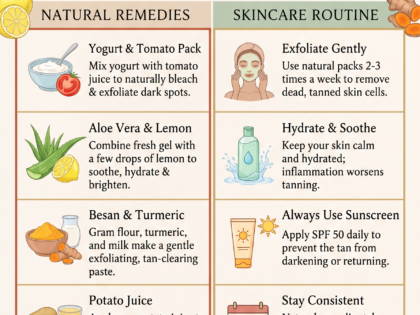
We should prioritise evidence-based ingredients and avoid applying harsh household substances such as lemon juice directly to the face.
Not Performing a Patch Test
Before introducing a new skincare product, apply a small amount to an inconspicuous area and observe for irritation over the period recommended by the manufacturer.
7. Weekly Skincare Routine for Better Results
Along with our daily routine, we can include a few additional skincare practices during the week.
Exfoliation: Use a suitable chemical exfoliant once or twice weekly if tolerated. Avoid over-exfoliating.
Hydrating Face Mask: A hydrating mask can provide additional moisture when the skin feels dry or dehydrated.
Deep Cleansing: Gentle cleansing is generally sufficient. Harsh scrubbing and aggressive extraction should be avoided.
Lip Care: Use a nourishing lip balm and choose SPF-containing lip protection during the day.
Hand and Neck Care: Extend moisturiser and sunscreen application to the neck, hands, and other exposed areas.
We should remember that weekly skincare treatments are optional. They cannot replace a consistent daily routine.
8. How Long Does It Take to See Skincare Results?
One of the biggest skincare mistakes is expecting overnight transformation.
Different ingredients work at different speeds, and results depend on skin type, product formulation, consistency, and individual concerns.
A general timeline may look like this:
- 1–2 weeks: Improvements in skin comfort and hydration may become noticeable.
- 4–6 weeks: Some people may notice improvements in skin texture and oiliness.
- 8–12 weeks: Certain skincare ingredients may show more visible improvements in uneven tone and acne.
- 3–6 months: Longer-term improvements may become noticeable with consistent care and appropriate treatment.
These timelines are approximate, not guaranteed. Persistent acne, melasma, or significant pigmentation may require professional dermatological treatment.
9. Simple Daily Skincare Routine Checklist
For those who prefer a simple approach, here is an easy routine to follow.
Morning Routine
- Gentle face wash.
- Hydrating toner (optional).
- Vitamin C serum (optional).
- Moisturiser.
- Broad-spectrum sunscreen.
Night Routine
- Makeup and sunscreen removal, if required.
- Gentle face wash.
- Targeted treatment serum.
- Moisturiser.
Following these basic steps consistently can help us maintain healthier-looking skin without making skincare unnecessarily complicated.
10. Frequently Asked Questions About Daily Skincare for Indian Skin
Q1. Which skincare routine is best for Indian skin?
The best routine includes gentle cleansing, suitable moisturising, and daily broad-spectrum sunscreen. Additional ingredients such as Vitamin C, niacinamide, and hyaluronic acid can be introduced according to individual skin concerns.
Q2. Can oily Indian skin use moisturiser?
Yes. Oily skin also requires hydration. Lightweight, oil-free, and non-comedogenic moisturisers are suitable options for many people with oily skin.
Q3. Is Vitamin C serum good for Indian skin?
Vitamin C can help improve the appearance of dark spots and uneven skin tone while providing antioxidant protection. It should be introduced gradually and used alongside sunscreen.
Q4. Should we apply sunscreen indoors?
Indoor sunscreen use depends on exposure. People sitting near windows or spending time in areas with significant daylight exposure may benefit from sunscreen. Daily application is particularly important when going outdoors.
Q5. How many times should we wash our face daily?
For most people, washing the face twice daily is sufficient. We may also need to cleanse after excessive sweating or exercise.
Q6. What is the best skincare routine for glowing skin?
A consistent routine involving gentle cleansing, hydration, moisturising, and sunscreen is the foundation of healthy-looking skin. Targeted ingredients can address specific concerns over time.
Q7. Can we use Vitamin C and Niacinamide together?
Yes. Vitamin C and niacinamide can generally be used together in a suitable skincare routine. However, people with sensitive skin should introduce products gradually.
Conclusion: Build a Skincare Routine That Works for Your Skin
Achieving healthy, glowing skin does not require an expensive collection of skincare products. It requires understanding our skin type, selecting appropriate ingredients, protecting our skin from UV exposure, and maintaining a consistent routine.
For Indian skin, daily cleansing, hydration, moisturising, and sunscreen are the foundation of effective skincare. Additional ingredients such as Vitamin C, niacinamide, hyaluronic acid, and retinol can help address specific concerns when used appropriately.
At Dokmai London, we believe that good skincare begins with understanding your skin’s individual needs. By choosing suitable skincare products and following a consistent routine, we can support healthier, smoother, and naturally radiant-looking skin.
Healthy skin is not about perfection. It is about consistent care, the right ingredients, and making informed skincare choices.
Discover your skincare essentials with Dokmai London and make healthy skin a part of your everyday routine.