
10 Best Hair Care Tips for Strong, Shiny and Healthy Hair
-
Dokmai London
- Posted on
- 0 comments
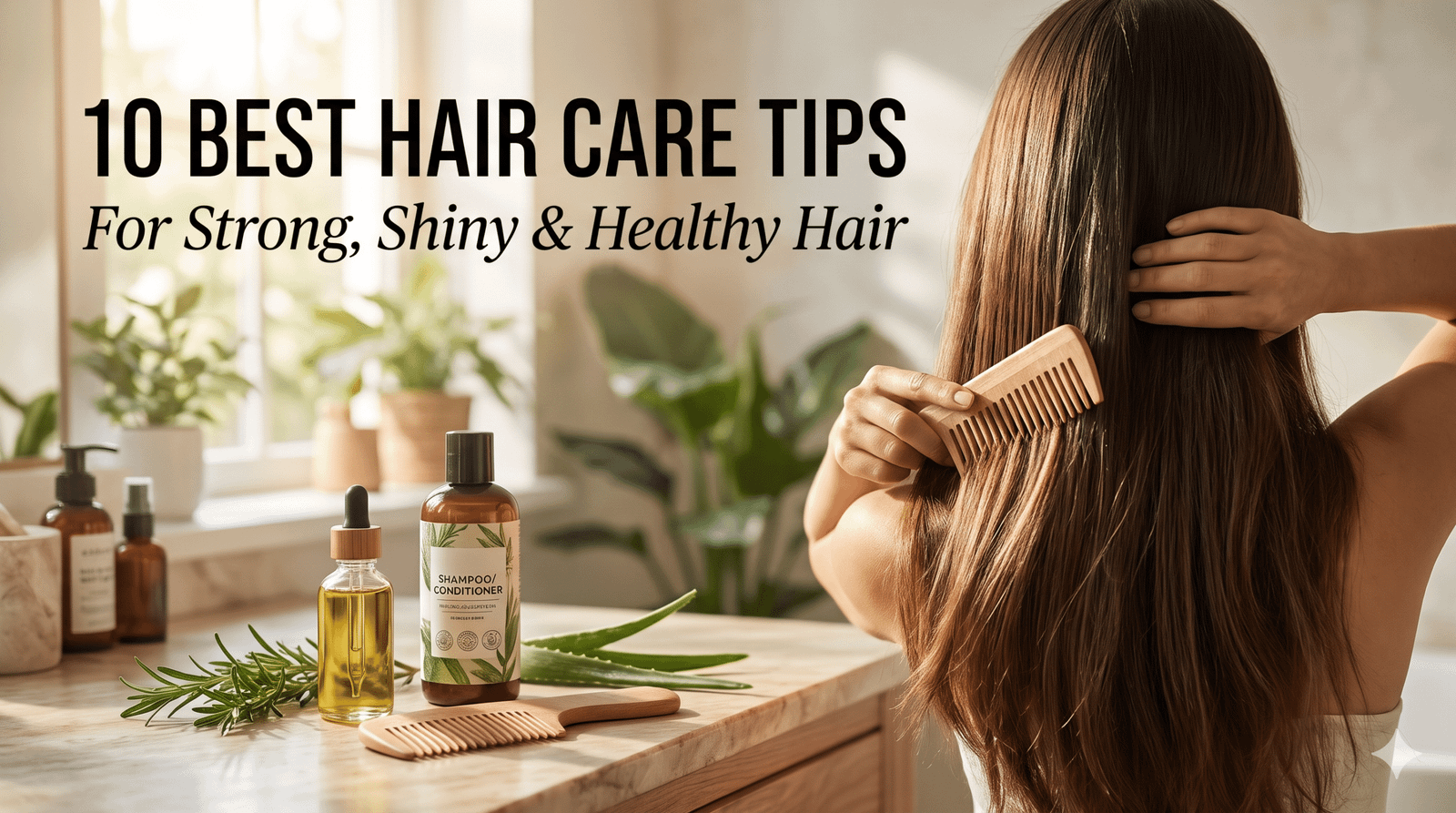
Healthy, strong, and shiny hair is not just about appearance; it reflects how well we care for our scalp and hair every day. Factors such as pollution, changing weather, heat styling, chemical treatments, poor nutrition, and improper hair care habits can gradually affect hair quality. They may leave hair looking dull, dry, frizzy, weak, and difficult to manage.
At Dokmai London, we believe that beautiful hair begins with consistent care, the right products, and healthy hair care habits. Whether we have naturally straight, wavy, curly, or chemically treated hair, following a suitable hair care routine can help maintain its natural beauty.
We do not need an expensive routine or dozens of products to achieve healthier-looking hair. What matters most is understanding our hair type, choosing suitable ingredients, maintaining scalp hygiene, and protecting our hair from everyday damage.
In this guide, we explore the 10 best hair care tips for strong, shiny, and healthy hair that can easily become part of our daily routine.
1. Choose the Right Shampoo for Your Hair Type
Choosing the right shampoo is one of the most important steps in maintaining healthy hair. Every hair type has different requirements, and using an unsuitable shampoo may leave hair feeling excessively dry, oily, or difficult to manage.
For example:
- Dry Hair: We should choose moisturising shampoos containing ingredients such as glycerin, aloe vera, and nourishing oils.
- Oily Scalp: A gentle cleansing shampoo can help remove excess oil and product buildup.
- Frizzy Hair: Smoothing shampoos can help improve manageability and reduce the appearance of frizz.
- Colour-Treated Hair: We should consider colour-protecting shampoos designed to minimise colour fading.
- Damaged Hair: A suitable strengthening or repairing shampoo can support better hair manageability.
We should also avoid washing our hair with excessively hot water because it can contribute to dryness and scalp discomfort.
Expert Tip: Choose a shampoo according to your scalp condition rather than focusing only on your hair length.
2. Never Skip Conditioner After Shampooing
Conditioner plays an essential role in maintaining soft, smooth, and manageable hair. While shampoo removes dirt, excess oil, and product buildup, conditioner helps improve the feel of the hair strands.
Regular conditioning can help:
- Reduce tangles and knots.
- Improve hair softness.
- Minimise friction during combing.
- Reduce the appearance of frizz.
- Improve shine and manageability.
- Make hair easier to style.
For best results, apply conditioner mainly to the mid-lengths and ends of your hair. Leave it on according to the product instructions and rinse thoroughly.
People with fine or oily hair should use lightweight conditioners, while those with dry, thick, or curly hair may benefit from richer conditioning formulas.
Remember: Healthy-looking hair requires both proper cleansing and conditioning. Shampoo and conditioner work together to maintain a balanced hair care routine.
3. Apply Hair Oil Before Washing
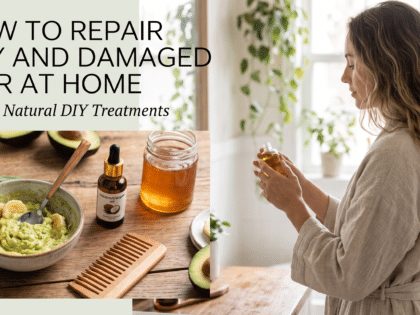
Hair oiling is a traditional hair care practice that remains popular because it helps condition the hair and improve softness.
Oils such as coconut, argan, almond, and jojoba oil can help improve hair smoothness and reduce dryness. Coconut oil, in particular, has research supporting its ability to reduce protein loss from hair when used appropriately.
We can follow a simple pre-wash oiling routine:
- Take a small amount of suitable hair oil.
- Apply it gently to the hair lengths and ends.
- Massage the scalp lightly if the oil is suitable for your scalp.
- Leave it on for approximately 30–60 minutes.
- Wash with a suitable shampoo.
We should avoid excessive oil application, particularly if our scalp is naturally oily or prone to buildup.
Expert Tip: Hair oiling is primarily a conditioning practice. It should not be considered a guaranteed treatment for hair fall or a method of making hair grow faster.
4. Avoid Excessive Heat Styling
Frequent use of straighteners, curling irons, and blow dryers can damage the hair cuticle, especially when high temperatures are used repeatedly.
Heat damage may result in:
- Dry and rough hair.
- Split ends.
- Increased breakage.
- Reduced smoothness.
- Loss of natural shine.
To protect our hair, we should follow a few simple precautions:
- Use a heat protectant before styling.
- Keep styling temperatures as low as practical.
- Avoid repeatedly passing hot tools over the same section.
- Allow hair to air-dry partially before blow-drying.
- Limit the frequency of straightening and curling.
- Never use hot styling tools on soaking-wet hair unless the tool is specifically designed for it.
A good heat protection routine helps reduce styling-related damage and keeps hair looking smoother.
5. Follow a Healthy Diet for Stronger Hair
Healthy hair requires adequate nutrition. Hair follicles need essential nutrients to support normal hair growth and maintain healthy hair structure.
A balanced diet containing protein, vitamins, minerals, and healthy fats can support overall hair health.
Some useful food choices include:
| Nutrient | Food Sources |
|---|---|
| Protein | Eggs, lentils, paneer, fish and beans |
| Iron | Spinach, legumes and meat |
| Zinc | Pumpkin seeds, nuts and whole grains |
| Vitamin C | Oranges, amla, guava and lemon |
| Omega-3 Fatty Acids | Walnuts, flaxseeds and fatty fish |
| Biotin | Eggs, nuts and seeds |
Hair is primarily made of a protein called keratin. Therefore, consuming sufficient protein is important for maintaining normal hair growth.
We should avoid taking hair supplements without understanding whether we actually have a nutritional deficiency. Excessive supplementation of certain nutrients can sometimes cause harm.
Expert Tip: A balanced diet and adequate hydration are important parts of a long-term hair care routine.
6. Use a Hair Mask Once a Week
Hair masks provide additional conditioning and can be especially useful for dry, rough, frizzy, and chemically treated hair.
Unlike regular conditioners, many hair masks are formulated to provide more intensive conditioning.
Depending on the formulation, hair masks may help:
- Improve hair softness.
- Reduce the appearance of dryness.
- Improve smoothness.
- Make tangled hair easier to manage.
- Enhance the appearance of shine.
- Improve the feel of chemically treated hair.
For best results, choose a mask according to your hair concerns.
For Dry Hair: Look for moisturising ingredients and conditioning agents.
For Frizzy Hair: Consider smoothing masks containing oils and conditioning ingredients.
For Chemically Treated Hair: Choose professionally formulated masks designed for treated hair.
Apply the mask according to its instructions, concentrating on the lengths and ends. Use it as frequently as recommended by the manufacturer.
For salon-quality hair care at home, a suitable professional hair mask can be a valuable addition to our weekly routine.
7. Protect Your Hair from Sun Exposure and Pollution
Just like our skin, our hair is exposed to environmental stress every day. Sun exposure, dust, pollution, and harsh weather conditions can affect hair quality and appearance.
UV exposure can contribute to changes in hair colour, dryness, and damage to the hair structure.
We can protect our hair by following these habits:
- Wear a scarf or hat when spending extended periods outdoors.
- Use hair products with UV protection when appropriate.
- Wash away accumulated dirt and pollution regularly.
- Avoid excessive exposure to chlorinated swimming pool water.
- Rinse hair after swimming.
- Use a suitable conditioner to maintain softness.
People who spend considerable time outdoors should pay particular attention to protecting their hair from environmental damage.
Healthy Hair Tip: Prevention is easier than managing extensive dryness and breakage later.
8. Comb Your Hair Gently to Prevent Breakage
Improper brushing and combing can contribute to unnecessary hair breakage. Pulling tangled hair aggressively can damage fragile strands, particularly when the hair is wet.
To minimise breakage, we should develop gentle detangling habits.
Follow these simple steps:
- Use a wide-tooth comb for detangling.
- Start from the ends and gradually move upwards.
- Hold the hair gently while removing knots.
- Avoid pulling or forcefully brushing tangled sections.
- Use a suitable leave-in conditioner if your hair tangles easily.
Curly and textured hair may benefit from detangling while damp with conditioner, whereas other hair types may be easier to manage when partially dry.
We should also avoid constantly tying our hair into extremely tight ponytails or buns because repeated tension can contribute to traction-related hair loss.
9. Get Regular Hair Trims to Maintain Healthy Ends
Split ends are a common concern, particularly for people with long, dry, or chemically treated hair.
They develop when the protective outer layer of the hair becomes damaged. Once a strand splits, the damage cannot be permanently repaired with shampoo or conditioner.
Regular trimming helps remove damaged ends and maintain a neater hairstyle.
Benefits of regular hair trimming include:
- Removing visible split ends.
- Improving the appearance of hair.
- Making hairstyles look more polished.
- Preventing damaged ends from becoming more difficult to manage.
- Maintaining the desired haircut shape.
How frequently we need a trim depends on hair length, styling habits, damage level, and personal preferences.
People who regularly use heat styling tools or chemical treatments may need more frequent professional attention.
Important: Trimming hair does not directly accelerate growth from the scalp. It helps maintain healthier-looking lengths by removing damaged ends.
10. Choose Professional Hair Treatments for Extra Care
Sometimes, our regular home hair care routine may not be enough to address specific hair concerns. Professional salon treatments can provide specialised conditioning, smoothing, and cosmetic improvements.
Choosing the right treatment depends on our hair texture, condition, and desired results.
Here are some popular salon hair treatments:
Hair Spa
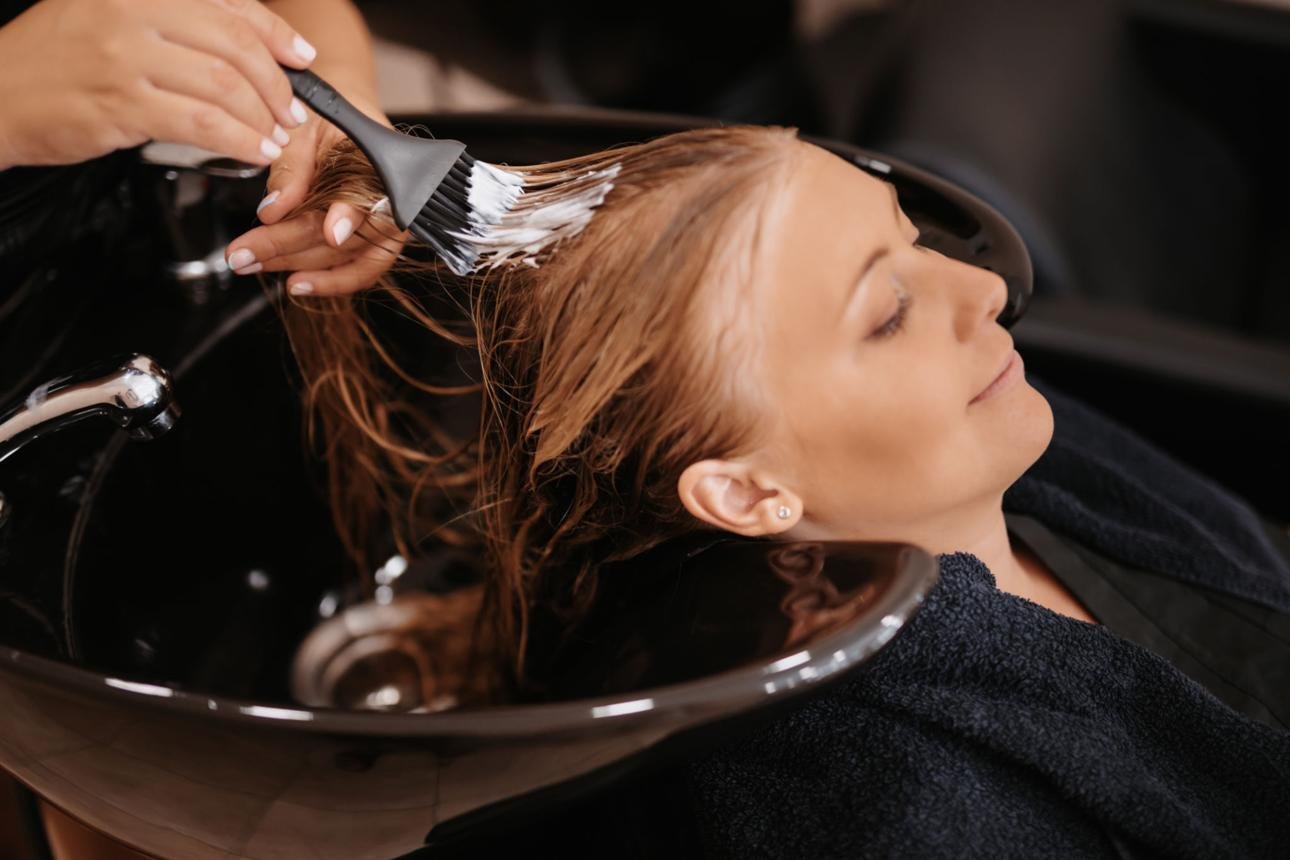
A hair spa treatment focuses on cleansing and conditioning the hair and scalp, depending on the service selected.
It can help improve softness, reduce the appearance of dryness, and make hair more manageable.
Keratin Treatment
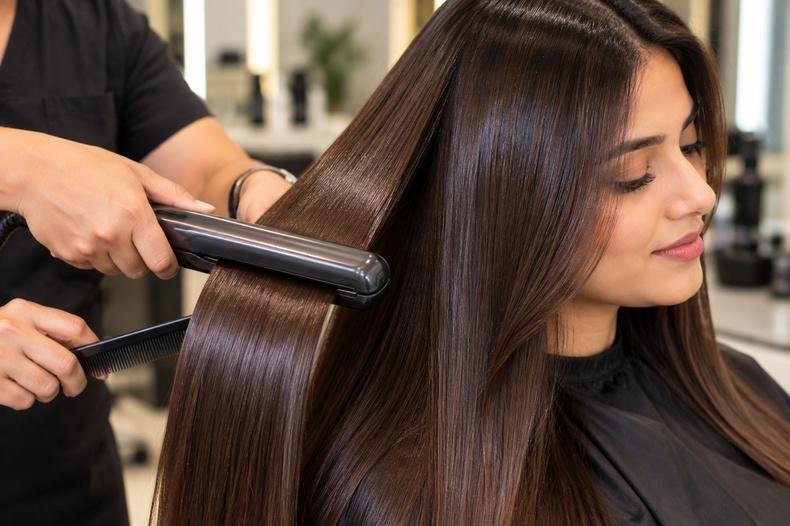
Keratin-based smoothing services are designed to improve hair smoothness and manageability.
They can help reduce frizz and make styling easier. Results depend on the product formulation, application technique, and hair condition.
Hair Botox Treatment
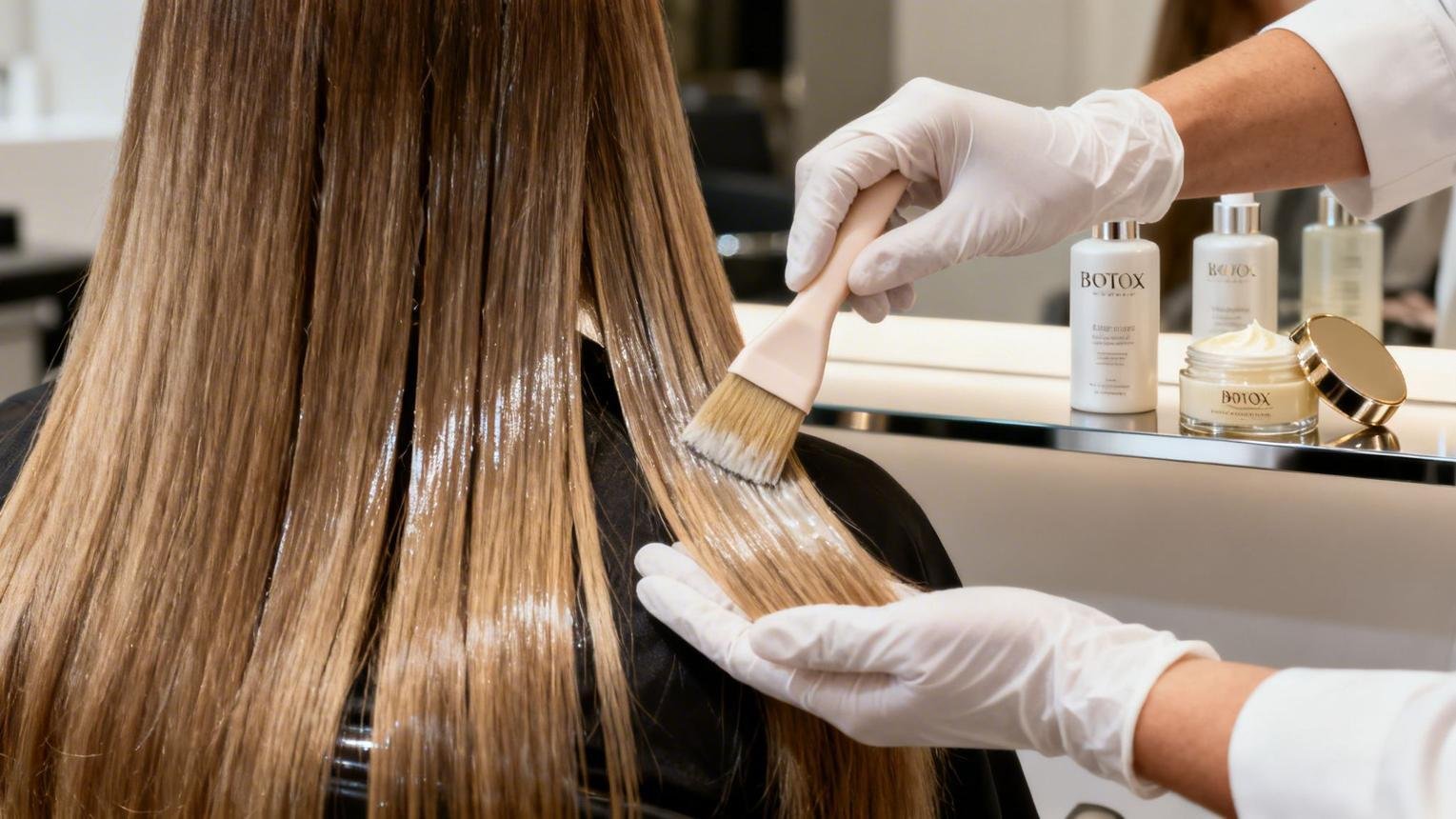
Hair Botox is a cosmetic conditioning treatment that may help improve the appearance and feel of dry, frizzy, and damaged-looking hair.
Despite its name, it does not involve injectable Botox.
Nanoplastia Treatment
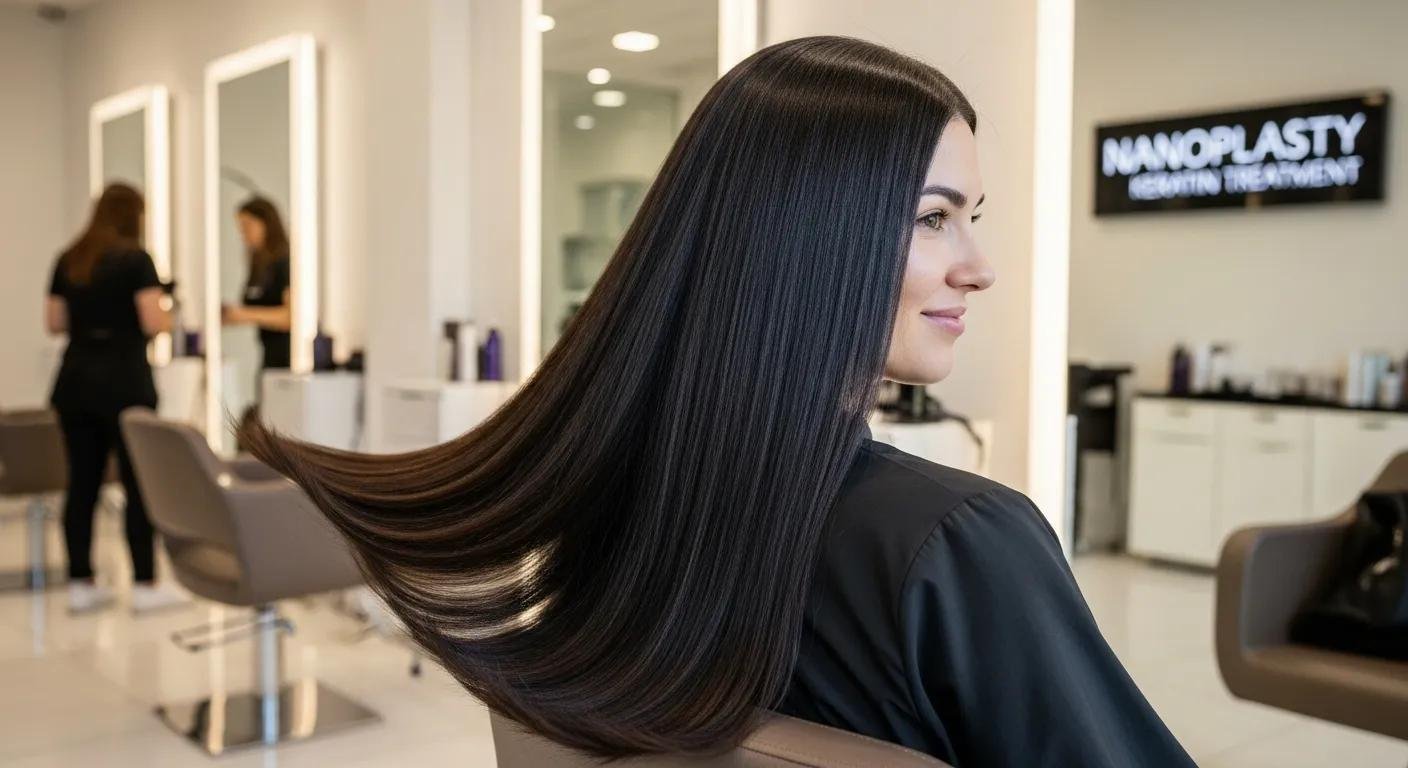
Nanoplastia is a professional hair-smoothing service designed to reduce frizz and improve hair manageability.
Before choosing any chemical or smoothing service, we should consult an experienced hair professional and understand the ingredients, application process, and aftercare requirements.
Professional Advice: Always choose a treatment according to your hair’s actual condition rather than following every trending salon treatment.
Bonus Hair Care Tips for Everyday Healthy Hair
Apart from these ten essential hair care tips, a few additional habits can make our routine more effective.
1. Avoid Washing Hair Too Frequently
There is no single washing schedule suitable for everyone. We should wash our hair according to scalp oiliness, activity level, and hair type.
2. Use Lukewarm Water
Extremely hot water may increase dryness and leave hair feeling rough. Lukewarm water is generally a better choice.
3. Avoid Tight Hairstyles
Repeatedly wearing tight ponytails, braids, and buns can put unnecessary tension on the hair roots.
4. Sleep on a Satin or Silk Pillowcase
A satin or silk pillowcase may reduce friction between the hair and pillow, helping minimise tangling and friction-related breakage.
5. Do Not Ignore Excessive Hair Fall
If we notice sudden, excessive, or persistent hair shedding, scalp irritation, or bald patches, we should consult a qualified dermatologist to identify the underlying cause.
Common Hair Care Mistakes We Should Avoid
Even when we invest in good hair products, certain daily habits can affect our results.
| Common Mistake | Better Hair Care Practice |
|---|---|
| Using very hot water | Use lukewarm water |
| Skipping conditioner | Condition after shampooing |
| Excessive heat styling | Use heat protection and lower temperatures |
| Rough towel drying | Gently squeeze water using a soft towel |
| Applying excessive hair oil | Use an appropriate amount |
| Ignoring scalp buildup | Maintain regular scalp cleansing |
| Using unsuitable products | Select products according to hair type |
| Frequently changing treatments | Follow a consistent routine |
Avoiding these mistakes can help us maintain softer, smoother, and more manageable hair.
How to Build a Simple Daily Hair Care Routine
Consistency is more important than using too many products. A simple routine can help us maintain healthy-looking hair without making hair care complicated.
| Time | Hair Care Routine |
|---|---|
| Morning | Gently comb and detangle hair |
| Before heat styling | Apply a suitable heat protectant |
| After outdoor exposure | Protect hair from dust and UV exposure |
| Hair Wash Days | Use suitable shampoo and conditioner |
| Weekly | Apply a nourishing hair mask |
| Every Few Months | Review hair condition and trim when needed |
We should adjust this routine according to our scalp condition, hair texture, lifestyle, and individual requirements.
Frequently Asked Questions About Hair Care
1. How can we make our hair strong and shiny naturally?
We can maintain healthier-looking hair by eating a balanced diet, using suitable shampoo and conditioner, avoiding excessive heat styling, protecting hair from environmental damage, and following a consistent conditioning routine.
2. How many times should we wash our hair in a week?
It depends on our scalp type and lifestyle. People with oily scalps may need more frequent washing, while those with dry or curly hair may require less frequent cleansing.
3. Which oil is best for dry and damaged hair?
Coconut, argan, almond, and jojoba oils are popular options. The best choice depends on hair texture and individual preferences. These oils can help improve softness and reduce dryness.
4. Is applying a hair mask every week beneficial?
A suitable hair mask can improve softness, smoothness, and manageability. Weekly application may be helpful for dry or damaged-looking hair, provided the product instructions recommend that frequency.
5. Does trimming hair make it grow faster?
No. Trimming does not change the hair growth rate at the roots. However, removing split ends can help maintain healthier-looking hair lengths.
6. How can we reduce hair breakage?
We should detangle gently, minimise excessive heat styling, use conditioner regularly, avoid tight hairstyles, and protect hair from unnecessary friction.
7. Can shampoo cause hair dryness?
Some shampoos may be too cleansing for particular hair types. Choosing a suitable formula and following with conditioner can help maintain hair softness.
8. What is the best treatment for frizzy hair?
Conditioning masks, leave-in conditioners, smoothing products, and selected professional salon treatments can help reduce the appearance of frizz. The right option depends on hair condition and the desired result.
Conclusion: Healthy Hair Starts with the Right Care
Achieving strong, shiny, and healthy-looking hair does not happen overnight. It requires consistent care, suitable products, good nutrition, and protection from everyday damage.
By following these 10 best hair care tips, we can build a routine that supports healthier-looking hair, improves manageability, and helps maintain natural shine.
From choosing the right shampoo and conditioner to applying weekly hair masks and avoiding excessive heat styling, every small step contributes to better hair care.
At Dokmai London, we believe that beautiful hair begins with understanding its needs and choosing the right care. Give your hair the attention it deserves, follow a consistent routine, and enjoy the confidence that comes with well-maintained, beautiful hair.
Healthy Hair. Natural Shine. Everyday Confidence.