
Common Skincare Mistakes That Are Damaging Your Skin
-
Dokmai London
- Posted on
- 0 comments
Healthy, glowing skin is not achieved by using the most expensive skincare products or following complicated beauty routines. It comes from understanding your skin’s needs, choosing the right ingredients, and maintaining healthy skincare habits. However, many people unknowingly follow routines that can damage their skin, cause irritation, increase sensitivity, and contribute to premature ageing.
From skipping sunscreen to over-exfoliating and using unsuitable skincare products, everyday mistakes can gradually affect the skin’s natural protective barrier. Even products formulated with beneficial ingredients may cause problems when used incorrectly or excessively.
At Dokmai London, we believe that effective skincare begins with knowledge, consistency, and choosing products that support your skin’s natural balance.
Let’s explore the most common skincare mistakes that could be damaging your skin and discover how to avoid them for healthier, smoother, and naturally glowing skin.
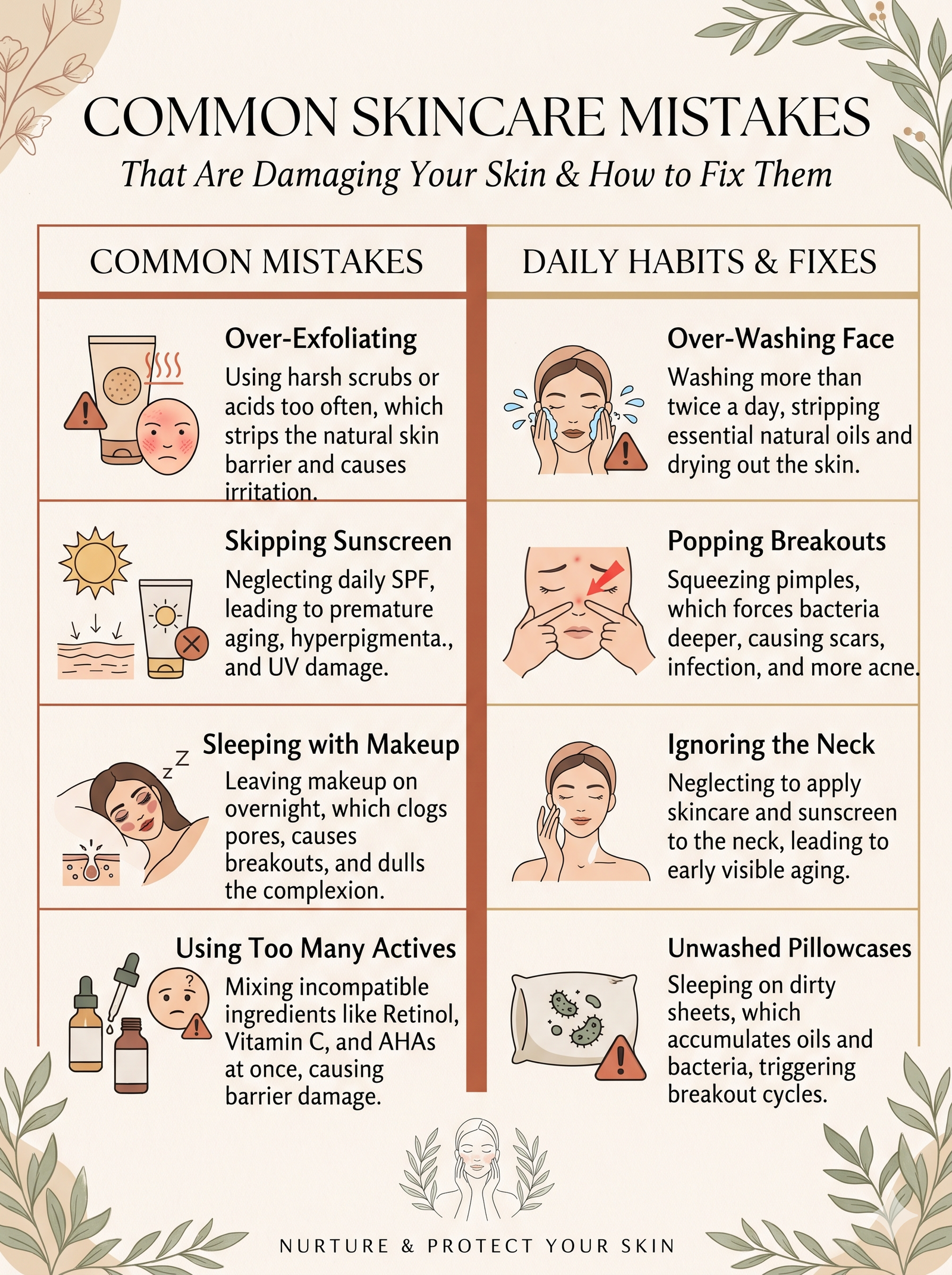
1. Skipping Sunscreen Every Day
One of the biggest skincare mistakes is not applying sunscreen regularly. Many people believe sunscreen is necessary only during summer or when spending extended periods outdoors. However, daily sun protection is an essential part of every skincare routine.
Exposure to ultraviolet (UV) radiation can contribute to:
- Premature wrinkles and fine lines.
- Uneven skin tone and pigmentation.
- Dark spots and tanning.
- Loss of skin elasticity.
- Increased risk of skin cancer.
UVA rays can penetrate through clouds and windows, making sun protection important even on cloudy days.
How to avoid this mistake:
Apply a broad-spectrum sunscreen with SPF 30 or higher every morning. Use an adequate amount to cover your face, neck, and exposed areas. Reapply approximately every two hours when outdoors, especially after sweating or swimming.
2. Over-Exfoliating Your Skin
Exfoliation helps remove dead skin cells and improves the appearance of dull skin. However, exfoliating too frequently can damage the skin’s natural protective barrier.
Using physical scrubs, AHAs, BHAs, or other exfoliating treatments excessively may lead to:
- Redness and irritation.
- Dryness and peeling.
- Increased sensitivity.
- Skin discomfort.
- A weakened skin barrier.
Healthy skin does not need aggressive scrubbing to look radiant.
How to avoid this mistake:
Start with exfoliating once or twice a week, depending on your skin type and the product formulation. Avoid combining multiple strong exfoliating products without professional guidance.
Always moisturise after exfoliation and use sunscreen during the day.
3. Choosing Skincare Products Without Understanding Your Skin Type
A product that works wonderfully for someone else may not suit your skin. One common mistake is purchasing skincare products simply because they are trending or popular on social media.
Different skin types have different requirements.
- Oily skin: Benefits from lightweight, non-comedogenic formulations.
- Dry skin: Needs nourishing moisturisers and ingredients that support hydration.
- Combination skin: Requires balanced care for both oily and dry areas.
- Sensitive skin: Benefits from gentle, fragrance-free formulations.
- Normal skin: Needs consistent cleansing, moisturising, and sun protection.
How to avoid this mistake:
Understand whether your skin is oily, dry, combination, normal, or sensitive before selecting skincare products. Choose formulations according to your skin’s requirements rather than following every beauty trend.
4. Using Too Many Active Ingredients Together
Active ingredients such as Vitamin C, retinol, niacinamide, salicylic acid, and glycolic acid can offer significant skincare benefits when used correctly.
However, combining too many active ingredients in one routine may increase the chances of irritation, especially when introducing multiple products simultaneously.
For example, using several exfoliating acids along with retinol may cause excessive dryness and sensitivity.
How to avoid this mistake:
Introduce one active ingredient at a time. Start with a lower concentration when appropriate and observe how your skin responds.
Follow product instructions and avoid unnecessarily complicated routines.
A simple skincare routine with compatible ingredients is often more effective than using numerous products together.
5. Not Moisturising Oily Skin
People with oily skin often skip moisturiser because they believe it will make their skin greasier. This is a common misconception.
Moisturising is important for every skin type. Even oily skin requires hydration to maintain a healthy skin barrier.
When the skin becomes dehydrated, it may feel uncomfortable, tight, or flaky.
How to avoid this mistake:
Choose a lightweight, non-comedogenic moisturiser that suits oily skin. Gel-based moisturisers can be a suitable option for people who prefer a lighter texture.
Remember that hydration and oil production are two different aspects of skin health.
6. Sleeping Without Removing Makeup
Going to bed without removing makeup is another habit that can negatively affect skin health.
Throughout the day, makeup can mix with sweat, oil, dirt, and environmental impurities. Leaving it on overnight may contribute to clogged pores, breakouts, and irritation.
How to avoid this mistake:
Make cleansing an essential part of your evening skincare routine.
Use a gentle makeup remover or cleansing balm to remove makeup, followed by a suitable facial cleanser when needed.
Pay special attention to sunscreen and long-wearing makeup, as these may require thorough removal.
7. Using Harsh Face Washes
A cleanser should remove dirt, excess oil, sunscreen, and impurities without unnecessarily stripping the skin.
Using harsh soaps or cleansers with unsuitable formulations may leave the skin feeling tight, dry, or irritated.
Over-cleansing can also interfere with the skin’s natural protective barrier.
How to avoid this mistake:
Choose a gentle cleanser formulated for your skin type.
Wash your face with lukewarm water and avoid excessive rubbing. For most people, cleansing twice daily is sufficient, although individual needs may vary.
A good cleanser should leave your skin feeling clean and comfortable, not excessively dry.
8. Ignoring the Importance of Hydration
Healthy-looking skin depends on proper hydration. However, many people focus entirely on topical skincare products while neglecting their daily water intake and overall lifestyle.
Dehydration can affect the skin’s appearance, making it look less fresh and potentially emphasising fine lines.
How to avoid this mistake:
Drink sufficient water throughout the day according to your body’s needs, climate, and activity level.
Include water-rich foods such as cucumber, watermelon, oranges, and other fresh fruits and vegetables in your diet.
Combine healthy lifestyle habits with a moisturising skincare routine.
9. Applying Skincare Products in the Wrong Order
Using good skincare products does not guarantee the best results if they are applied incorrectly.
Applying products randomly may affect their layering, texture, and overall effectiveness.
A basic skincare routine generally follows this order:
Morning Skincare Routine:
- Gentle facial cleanser.
- Toner, if required.
- Vitamin C serum, if suitable.
- Moisturiser.
- Broad-spectrum sunscreen SPF 30 or higher.
Night Skincare Routine:
- Makeup remover or first cleanser, if needed.
- Gentle facial cleanser.
- Treatment serum, if required.
- Moisturiser.
Allow products to settle between layers when necessary and follow the manufacturer’s instructions.
10. Frequently Touching Your Face
Touching your face repeatedly throughout the day can transfer dirt, oil, and microorganisms from your hands to your skin.
Picking pimples, squeezing blackheads, and scratching irritated areas can also increase inflammation and potentially lead to post-inflammatory marks or scarring.
How to avoid this mistake:
Keep your hands clean and avoid unnecessary face touching. Never squeeze active acne lesions.
If you experience frequent breakouts, consider consulting a qualified dermatologist rather than attempting aggressive home treatments.
11. Ignoring Your Neck and Hands
Many skincare routines focus exclusively on the face, while the neck and hands receive very little attention.
These areas are also exposed to sunlight, environmental pollution, and other external factors that can contribute to visible signs of ageing.
How to avoid this mistake:
Extend your skincare routine to your neck and the backs of your hands.
Apply moisturiser regularly and use sunscreen on exposed areas. Consistent sun protection helps maintain a more even-looking skin tone.
12. Changing Skincare Products Too Frequently
Trying a new skincare product every few days is another common mistake.
Many skincare ingredients require consistent use over several weeks before visible improvements can be assessed. Constantly switching products makes it difficult to understand what works for your skin.
It can also increase the likelihood of irritation, particularly when several new active ingredients are introduced together.
How to avoid this mistake:
Follow a consistent skincare routine and give suitable products enough time to demonstrate their benefits.
Introduce new products individually and perform a patch test according to the product instructions.
Remember that skincare requires patience and consistency.
13. Using Expired Skincare Products
Skincare products have a recommended shelf life. Using expired products may affect their stability, quality, and performance.
Certain active ingredients can lose effectiveness over time, while contaminated products may increase the risk of skin irritation or infection.
How to avoid this mistake:
- Check the manufacturing and expiry dates.
- Follow the period-after-opening symbol on packaging.
- Store products according to their instructions.
- Keep containers tightly closed.
- Avoid using products with unusual changes in colour, smell, or texture.
Never compromise your skin’s health by continuing to use products that are past their recommended usage period.
14. Ignoring the Skin Barrier
The skin barrier is the outermost protective layer of the skin. It helps retain moisture and protects against external irritants.
Over-exfoliation, harsh cleansers, unsuitable active ingredients, and excessive skincare experimentation can compromise this protective barrier.
Common signs of a damaged or irritated skin barrier include:
- Persistent dryness.
- Redness and irritation.
- Increased skin sensitivity.
- Tightness after cleansing.
- Flaking and discomfort.
How to avoid this mistake:
Prioritise gentle skincare. Use a suitable moisturiser containing barrier-supporting ingredients such as ceramides, glycerin, and hyaluronic acid.
Temporarily reduce irritating active ingredients if your skin becomes uncomfortable. Seek professional advice if symptoms persist.
15. Expecting Overnight Skincare Results
One of the most unrealistic expectations in skincare is expecting immediate results.
Many people discontinue products because they do not notice visible improvements within a few days. However, skin renewal and the improvement of concerns such as uneven skin tone, pigmentation, and fine lines generally take time.
How to avoid this mistake:
Maintain a realistic skincare routine and use products consistently according to their instructions.
Remember that different ingredients work at different speeds. Hydration may improve the appearance of dry skin relatively quickly, while improvements in pigmentation and acne can take considerably longer.
Consult a dermatologist for persistent or severe skin concerns.
Bonus: Skincare Mistakes That Are Especially Common During Summer
Indian summers can expose the skin to intense sunlight, heat, humidity, and increased sweating. These conditions make it important to adjust skincare habits according to environmental changes.
Here are some additional mistakes to avoid:
- Skipping sunscreen because of cloudy weather.
- Applying excessive layers of heavy skincare products.
- Ignoring sun protection while travelling.
- Using harsh home remedies for tanning.
- Scrubbing the face aggressively to remove oil.
- Not cleansing the skin after excessive sweating.
- Neglecting moisturiser because of humidity.
Choose lightweight, suitable formulations and maintain regular sun protection throughout the year.
How to Build a Healthy Daily Skincare Routine
A healthy skincare routine does not have to be complicated. Following a few essential steps consistently can help maintain your skin’s appearance and support its natural protective barrier.
| Skincare Step | Purpose |
|---|---|
| Cleanser | Removes dirt, oil, and impurities |
| Toner | Provides additional hydration or targeted care, depending on formulation |
| Serum | Delivers selected active ingredients |
| Moisturiser | Helps maintain skin hydration |
| Sunscreen | Protects against UV radiation |
Morning: Focus on cleansing, hydration, and sun protection.
Night: Focus on removing makeup, cleansing, moisturising, and using suitable treatments.
Choose products based on your skin type, concerns, and tolerance rather than following unnecessary steps.
Frequently Asked Questions About Common Skincare Mistakes
1. What are the most common skincare mistakes?
Some of the most common skincare mistakes include skipping sunscreen, over-exfoliating, using unsuitable products, sleeping with makeup on, ignoring moisturiser, and combining too many active ingredients.
2. Can using too many skincare products damage your skin?
Yes. Using multiple products with strong active ingredients may increase irritation, dryness, and sensitivity. A simple routine with compatible products is often easier to maintain.
3. Is moisturiser necessary for oily skin?
Yes. Oily skin also needs hydration. Choosing a lightweight, non-comedogenic moisturiser can help maintain skin comfort without adding an unnecessarily heavy feeling.
4. How often should we exfoliate our face?
For many people, exfoliating once or twice a week is a reasonable starting point. The ideal frequency depends on the exfoliating ingredient, product strength, and individual skin tolerance.
5. Why is sunscreen important every day?
Sunscreen helps protect the skin against harmful UV radiation, which contributes to premature ageing, pigmentation, and skin damage. Daily broad-spectrum SPF 30 or higher is recommended.
6. How can we repair a damaged skin barrier?
Focus on gentle cleansing, suitable moisturising products, and regular sun protection. Avoid excessive exfoliation and irritating active ingredients. Consult a dermatologist if irritation continues.
7. How long does it take to see skincare results?
Results vary depending on the product, ingredient, and skin concern. Hydration may improve relatively quickly, while acne and pigmentation treatments may require several weeks or longer.
Final Thoughts: Healthy Skin Starts with Better Skincare Habits
Achieving healthy, radiant skin is not about following every skincare trend or purchasing an endless collection of beauty products. It is about understanding your skin, avoiding harmful habits, and choosing products that support its natural needs.
From applying sunscreen every morning to avoiding excessive exfoliation, small changes in your daily routine can make a meaningful difference over time.
At Dokmai London, we believe that beautiful skin begins with informed skincare choices, consistent care, and quality formulations designed to complement your beauty routine.
Understand your skin. Choose wisely. Stay consistent. Let your natural glow shine!
Discover skincare essentials from Dokmai London and make healthy skincare habits a part of your everyday routine.